EN




Carton Printing Review: Which Technology Gives Best ROI?
Selecting the right technology for carton printing represents one of the most consequential investments a packaging operation can make. The decision directly impacts production speed, print quality, operational costs, and long-term profitability. Companies today face a critical choice: which carton printing solution actually delivers measurable return on investment, and how do you compare technologies objectively when vendors present competing claims and varying cost structures?
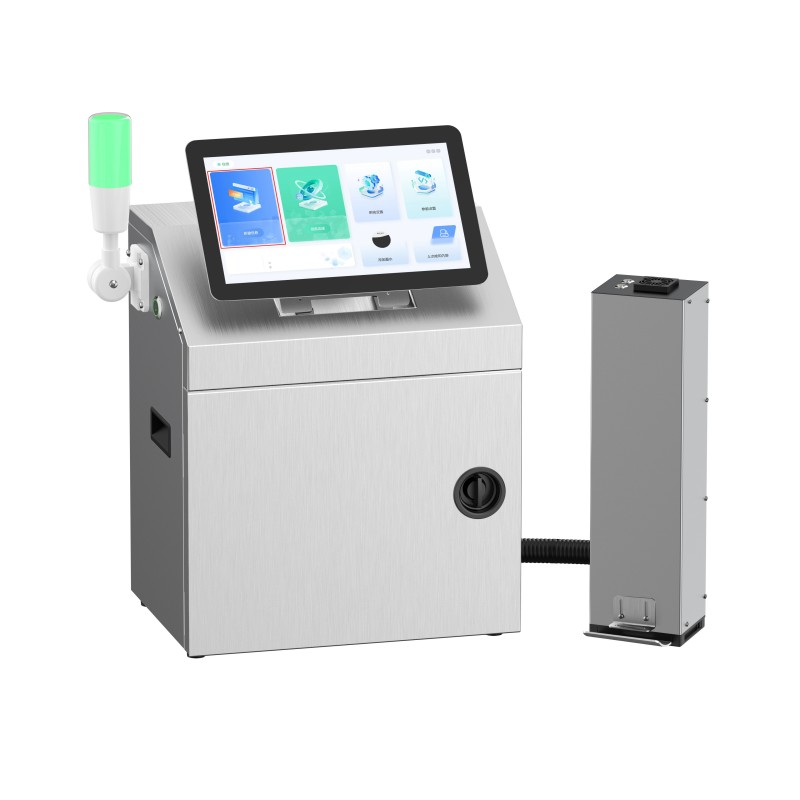
The landscape of carton printing has evolved dramatically over the past decade, with thermal inkjet, piezoelectric inkjet, and digital technologies now offering distinct advantages for different production scenarios. Understanding these technology differences, calculating true total cost of ownership, and evaluating supplier reliability enables informed decision-making that directly improves your bottom line and competitive positioning.
Understanding Core Technology Differences
Thermal Inkjet Versus Piezoelectric Approaches
Thermal inkjet technology heats ink rapidly to create vapor bubbles that propel droplets onto the carton surface. This approach offers simplicity and lower initial equipment costs, making it attractive for facilities with modest volume requirements. However, thermal systems typically require more frequent maintenance, generate higher ink consumption rates, and struggle with certain substrate types that demand precise droplet placement.
Piezoelectric technology uses crystal elements that flex in response to electrical pulses, ejecting precisely controlled ink droplets without heat. This method delivers superior print consistency, reduced ink waste, and dramatically improved longevity between maintenance intervals. For high-speed carton printing operations, piezoelectric systems minimize downtime and sustain print quality across extended production runs, directly translating to lower per-unit costs and fewer production interruptions.
Digital Printing Integration for Complex Designs
Digital carton printing solutions enable manufacturers to produce variable data, QR codes, batch numbers, and personalized graphics without plate changes or setup delays. This flexibility proves invaluable for companies managing multiple SKUs or responding to short-run custom orders. The ROI advantage emerges through faster time-to-market, elimination of inventory carrying costs for pre-printed materials, and the ability to implement last-minute design modifications without costly production stoppages.
Calculating True Return on Investment
Equipment Cost Versus Operational Efficiency
Initial purchase price represents only one component of carton printing system economics. A thorough ROI analysis must account for ink and consumables costs, maintenance labor hours, production throughput rates, and operator training requirements. Facilities processing high-volume orders benefit most from premium technologies where per-unit printing costs decline steeply as production scales, offsetting higher capital expenditure within 12 to 24 months. Conversely, low-volume operations may struggle to justify advanced systems unless design complexity or substrate specialization creates genuine operational advantages unavailable from simpler technologies.
Supplier recommendations frequently emphasize equipment features without contextualizing them against your specific production profile. A competent supplier should conduct thorough needs assessment, model carton printing scenarios using your actual data, and project realistic payback periods rather than presenting idealized best-case scenarios. This transparent approach separates consultative partners from vendors primarily focused on immediate sales.
Hidden Costs and Operational Factors
Downtime during maintenance directly erodes carton printing profitability, yet many facilities underestimate these hidden costs. Technologies requiring frequent head cleaning, ink cartridge changes, or calibration adjustments accumulate unexpected operational expenses. Conversely, robust systems with extended service intervals and fewer intervention points deliver consistent availability and predictable cost structures. When evaluating supplier proposals, request detailed maintenance schedules and inquire whether the supplier stocks replacement parts locally, enabling rapid response when issues occur.
Evaluating Supplier Capability and Support
Technical Expertise and Implementation Success
Your choice of supplier fundamentally shapes implementation outcomes and long-term operational success. A quality supplier brings deep carton printing expertise, assists with equipment integration into existing production workflows, and provides comprehensive operator training that minimizes learning curves and startup inefficiencies. Superior suppliers also conduct post-installation audits, identify process optimization opportunities, and help your team achieve peak equipment performance rather than simply delivering hardware and disappearing.
Before committing to a supplier relationship, evaluate their track record within your industry segment, review customer references, and assess their technical support responsiveness. Organizations investing in preventive support models typically achieve higher uptime, more consistent print quality, and better overall ROI than those selecting suppliers based purely on lowest quoted price.
Total Cost of Ownership and Performance Guarantees
Leading supplier partners increasingly offer performance-based pricing models where costs align with actual production results rather than just equipment rental. These arrangements incentivize supplier investment in your success because their revenue depends on demonstrated carton printing reliability and efficiency. Such supplier partnerships create accountability for achieving projected ROI targets and encourage collaborative problem-solving when challenges emerge during implementation or scaling phases.
FAQ
Which carton printing technology delivers the fastest ROI for high-volume operations?
Piezoelectric inkjet systems typically deliver the fastest ROI in high-volume carton printing environments because lower per-unit ink consumption and extended service intervals dramatically reduce operational costs. When processing millions of cartons monthly, these efficiency gains compound significantly, often achieving full payback within 12 to 18 months despite higher initial equipment investment compared to thermal alternatives.
How should I evaluate a supplier's claims about carton printing system performance?
Request the supplier conduct a proof-of-concept test using your actual cartons, inks, and production speeds. Real-world performance data proves far more reliable than manufacturer specifications or theoretical calculations. Additionally, speak directly with existing customers using identical equipment to understand actual uptime rates, maintenance frequency, and whether projected ROI materialized after one year of operation.
What role does substrate type play in carton printing technology selection?
Different carton materials, coatings, and surface finishes interact distinctly with various printing technologies. Corrugated substrates, plastic-coated materials, and specialty finishes may require specific ink formulations or printing approaches to achieve acceptable print quality. Your supplier should evaluate your exact substrate specifications and confirm that their recommended technology performs reliably with those materials before purchase commitment.