EN



Small Character Inkjet Printer Review: Accuracy and Speed
In modern manufacturing and packaging operations, the ability to mark products with precise, legible information has become essential for compliance, traceability, and brand protection. A small character inkjet printer delivers exactly this capability, combining compact design with industrial-grade performance. These systems excel at printing batch codes, expiration dates, logos, and serialized information directly onto product surfaces at production speeds that keep operations competitive and efficient.
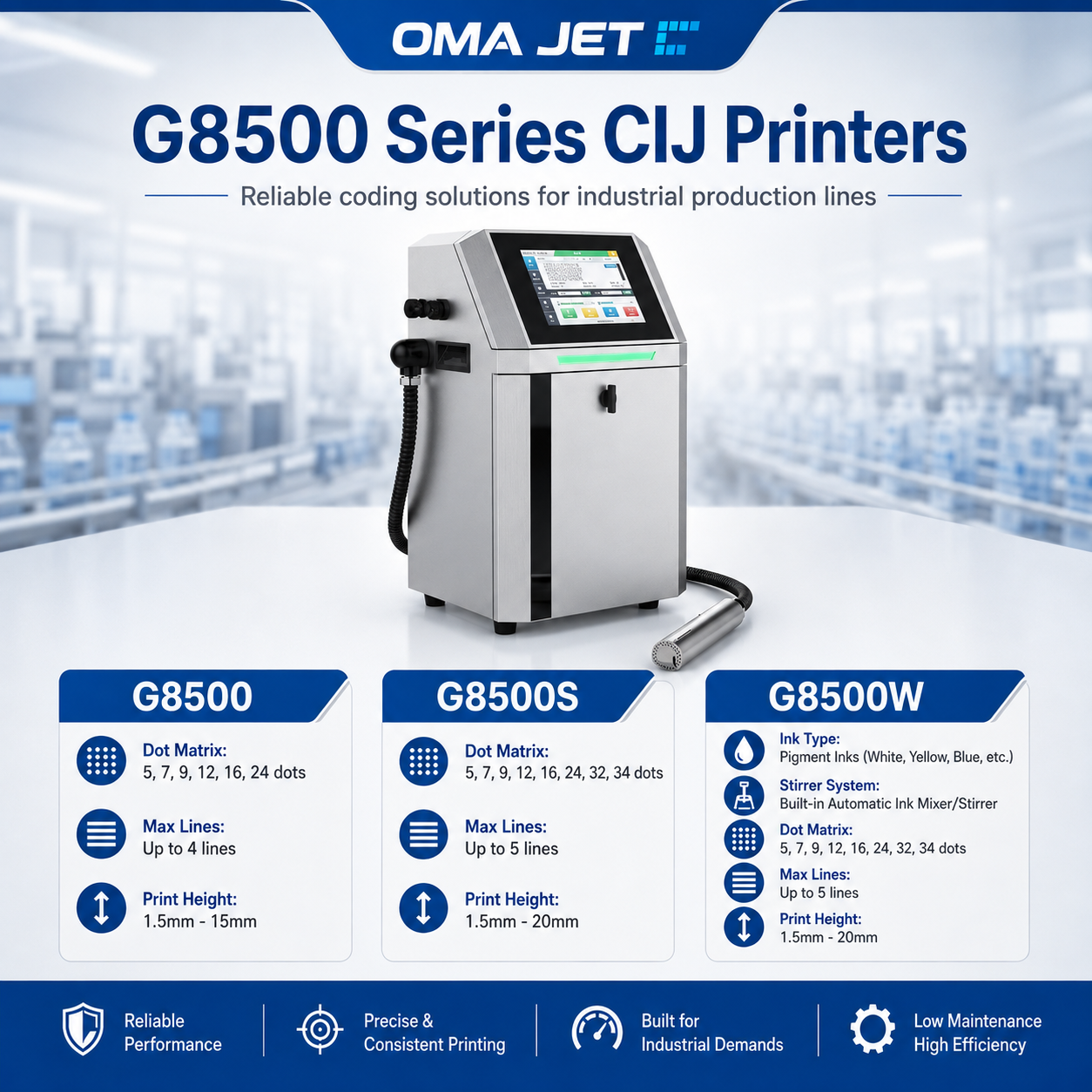
Understanding the accuracy and speed performance of small character inkjet printer technology is critical when selecting equipment for high-volume production lines. The choice of supplier and specific model directly impacts print quality consistency, maintenance costs, downtime risk, and overall production throughput. This review examines how accuracy and speed intersect in real-world industrial applications, helping decision-makers evaluate whether a particular small character inkjet printer meets operational requirements and long-term business objectives.
Understanding Accuracy in Small Character Inkjet Printing
Print Quality Resolution and Character Definition
Accuracy in small character inkjet printer systems goes beyond simple dot formation. Modern industrial printers produce print resolutions ranging from 100 to 300 dots per inch, directly affecting character sharpness and readability on curved, textured, or reflective surfaces. The piezoelectric drop-on-demand technology behind high-quality small character inkjet printer models enables precise control over droplet size and placement, ensuring that even the smallest characters maintain legibility across varied substrate materials including plastics, metals, glass, and film.
Accurate character reproduction matters because regulatory bodies and supply chain partners often require print quality that passes vision inspection systems. A small character inkjet printer with superior accuracy reduces the risk of false rejections during automated quality control and maintains consumer trust through crisp, professional marking. The supplier you choose should provide technical specifications on actual resolution capabilities rather than marketing claims, allowing you to verify compatibility with your inspection standards and customer expectations.
Consistency Across Production Runs
Consistency represents the second pillar of accuracy in small character inkjet printer performance. Over an eight-hour or sixteen-hour production shift, a reliable printer maintains identical mark quality across thousands or millions of parts without degradation. Ink viscosity stability, nozzle maintenance cycles, and print head alignment all influence whether a small character inkjet printer produces the first mark and the final mark with equal precision. Poor consistency forces operators to adjust settings frequently, wastes product, and creates compliance documentation gaps that auditors flag during inspections.
Selecting the right supplier becomes essential because quality varies significantly across manufacturers and technology platforms. Some small character inkjet printer vendors invest heavily in automatic nozzle cleaning systems, temperature regulation, and predictive maintenance algorithms that anticipate print head wear before it affects output quality. Others rely on manual intervention and reactive troubleshooting, leading to higher defect rates and operational friction. Consistency is a key differentiator between premium and budget-oriented small character inkjet printer offerings.
Speed Performance and Production Throughput
Print Speed Ratings and Real-World Capacity
Speed in a small character inkjet printer context refers to how many characters or lines the system can print per second while maintaining accuracy standards. Manufacturers typically advertise print speeds ranging from 30 to 100 millimeters per second, though actual speed capability depends on character height, ink type, substrate absorption, and environmental conditions. A small character inkjet printer specified at 80 millimeters per second on ideal test surfaces may deliver only 50 millimeters per second on porous cardboard or at higher ambient temperatures, directly affecting production line cycle time calculations.
Before committing to a small character inkjet printer purchase or supplier contract, request real-world performance data from reference customers operating in your industry segment. Print speed alone becomes meaningless if the equipment experiences frequent purge cycles, nozzle cleaning interruptions, or ink cartridge changeovers that reduce net throughput. A reliable supplier will provide transparent specifications about duty cycle and network uptime, helping you model realistic daily production output and identify potential bottlenecks before deployment.
Integration with High-Speed Production Lines
Modern manufacturing facilities operate at speeds that demand synchronization between the small character inkjet printer and upstream equipment. If your production line moves at 500 units per minute and your small character inkjet printer cannot keep pace, the bottleneck reduces overall equipment effectiveness and forces costly line redesigns. A competent supplier evaluates your line speed, print content complexity, and substrate characteristics before recommending a specific small character inkjet printer model, ensuring the equipment integrates smoothly without compromising throughput.
Speed performance also interacts with reliability metrics. A small character inkjet printer capable of printing 90 millimeters per second but requiring a five-minute recovery after every two hours of operation delivers worse real-world performance than a more conservative system operating at 60 millimeters per second with minimal downtime. Total cost of ownership calculations must weigh headline speed against reliability, maintenance demands, and actual productive printing time. The best small character inkjet printer supplier provides data on mean time between failures and average repair duration, allowing you to forecast true operational capacity.
Evaluating Performance Trade-offs and Application Fit
Balancing Speed Against Quality Standards
In practice, a small character inkjet printer cannot simultaneously maximize both speed and accuracy in every situation. Higher print speeds can reduce ink saturation time on absorbent surfaces, creating slightly faded marks. Conversely, slowing the production line to ensure perfect print quality may waste capacity and inflate per-unit costs. Your specific application requirements determine the optimal balance. If your industry demands pharmaceutical-grade compliance marking on temperature-sensitive packaging, accuracy takes priority and you accept slower speeds. If you print promotional information on high-volume consumer goods, speed becomes more valuable than perfection.
A professional supplier evaluates these trade-offs during the assessment phase and guides you toward a small character inkjet printer that aligns with your actual priorities rather than overselling unnecessary capability. They also explain how different ink formulations, print head configurations, and substrate pre-treatment interact with speed and quality outcomes, helping you make informed decisions grounded in technical reality rather than specification sheets alone.
Integration Complexity and Long-Term Support
Choosing the right small character inkjet printer involves more than evaluating a single piece of equipment. Integration with existing lines, compatibility with existing ink cartridge systems, training requirements, and the supplier's commitment to responsive technical support significantly impact total cost of ownership. A small character inkjet printer from an attentive supplier that provides local service, spare parts availability, and troubleshooting support delivers more value than a lower-cost system from a distant vendor unable to resolve issues quickly.
The supplier you select should demonstrate deep knowledge of industrial coding applications across your specific sector, not just general inkjet printer sales expertise. They understand regulatory requirements in pharmaceutical, food, automotive, and electronics manufacturing, allowing them to recommend a small character inkjet printer configuration that meets compliance mandates without unnecessary expense. Long-term partnership with a competent supplier reduces implementation risk and protects your investment through system optimization and preventive maintenance planning.
FAQ
What print speed should I expect from a typical small character inkjet printer?
Most industrial small character inkjet printer systems print between 30 and 100 millimeters per second depending on character height, font complexity, and substrate type. Real-world speeds often run lower than manufacturer ratings because of setup time, nozzle cleaning cycles, and environmental factors. A reputable supplier provides reference data from similar production environments so you can forecast realistic throughput before making a purchase decision.
How does a small character inkjet printer maintain accuracy over extended production runs?
Quality small character inkjet printer models incorporate automatic nozzle cleaning systems, temperature regulation, ink circulation pumps, and print head alignment verification to maintain consistent mark quality throughout the day. The printer monitors nozzle performance and triggers cleaning cycles before quality degrades, reducing manual intervention. Choosing a supplier that emphasizes preventive maintenance and built-in quality controls significantly improves long-term accuracy consistency.
What factors should I consider when selecting a small character inkjet printer supplier?
Beyond equipment specifications, evaluate the supplier's local service capabilities, technical knowledge of your industry, spare parts availability, training quality, and track record with reference customers. A reliable supplier understands your production requirements, offers transparent performance data, and provides ongoing support that extends well beyond the initial sale. Long-term partnership with an experienced supplier protects your investment and maximizes operational efficiency.