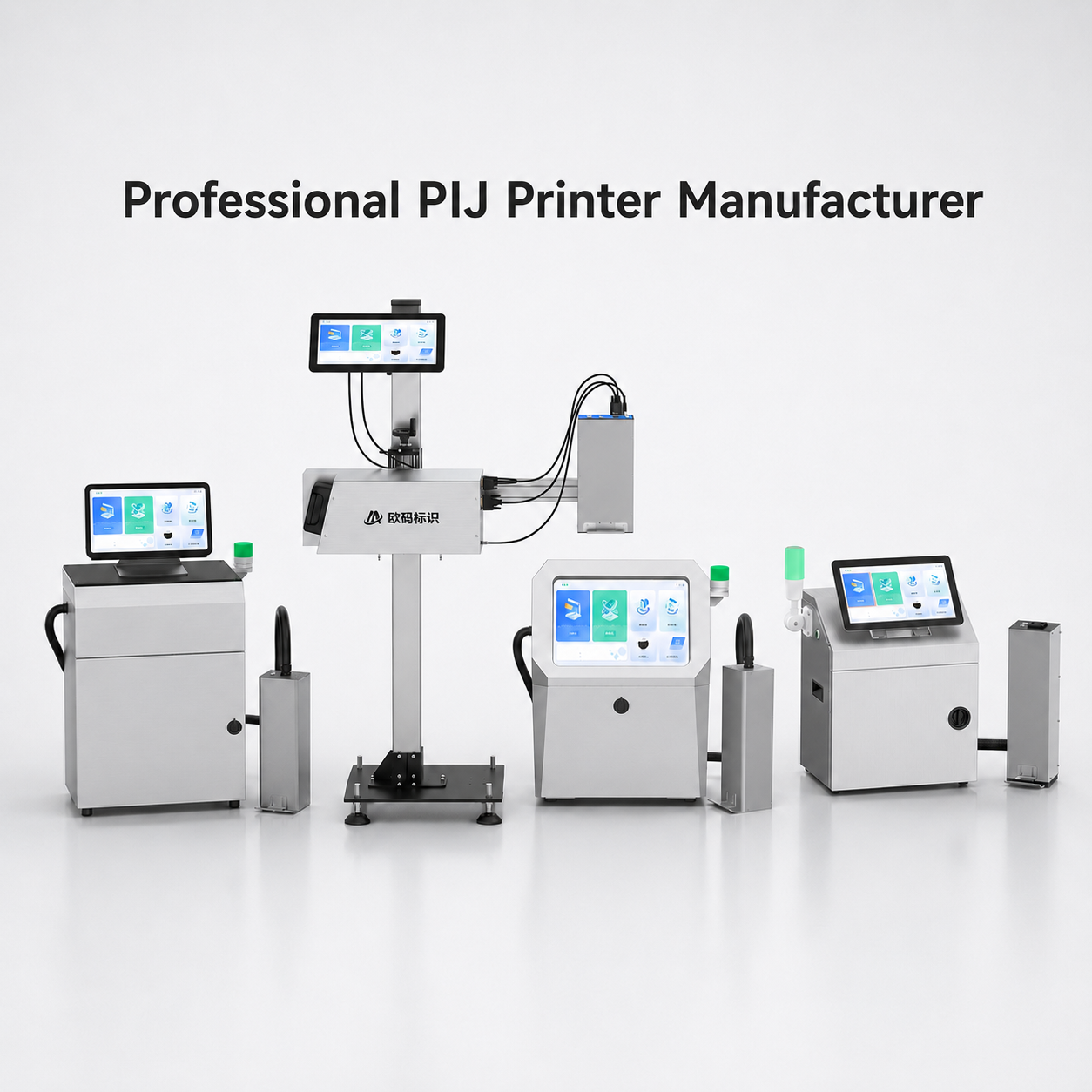
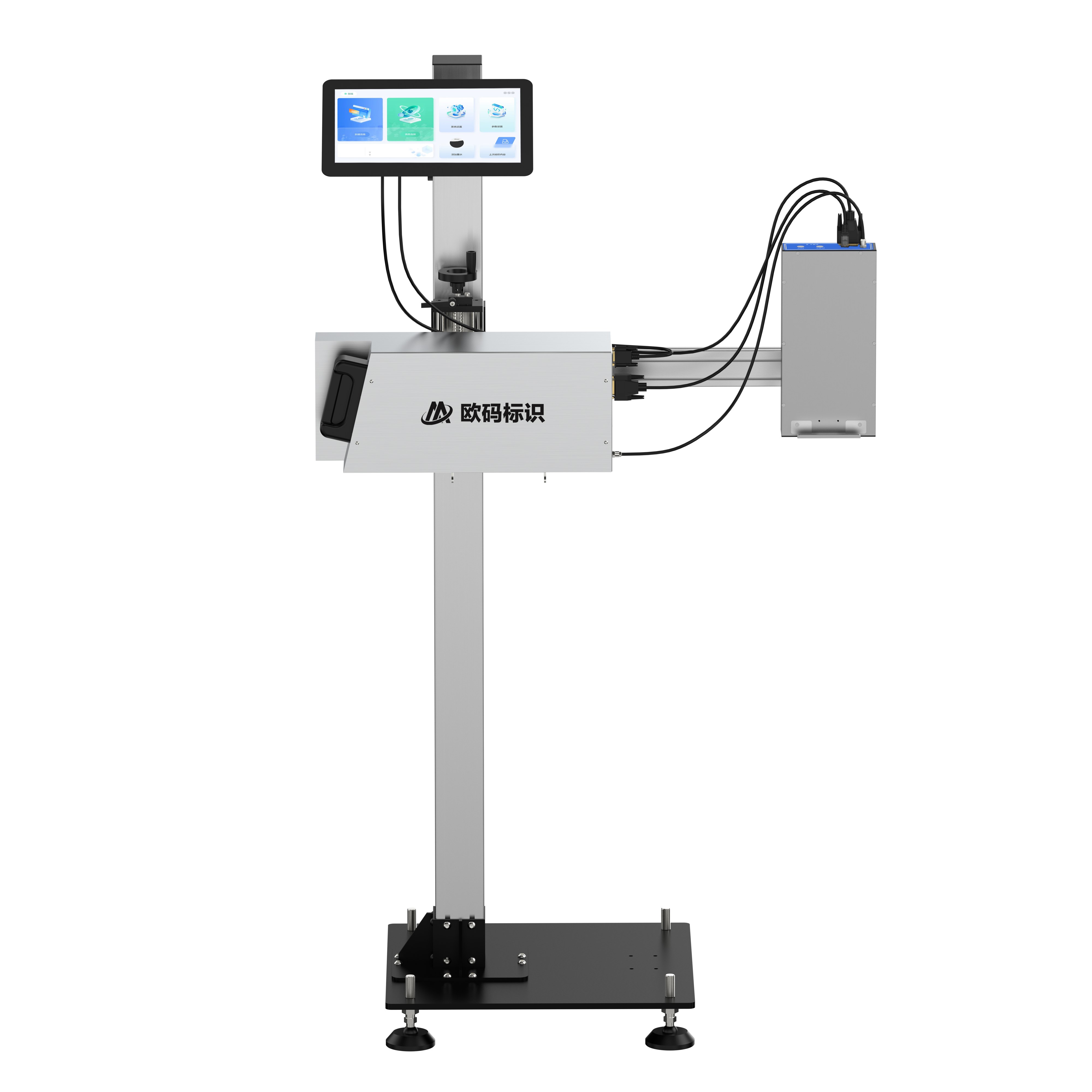
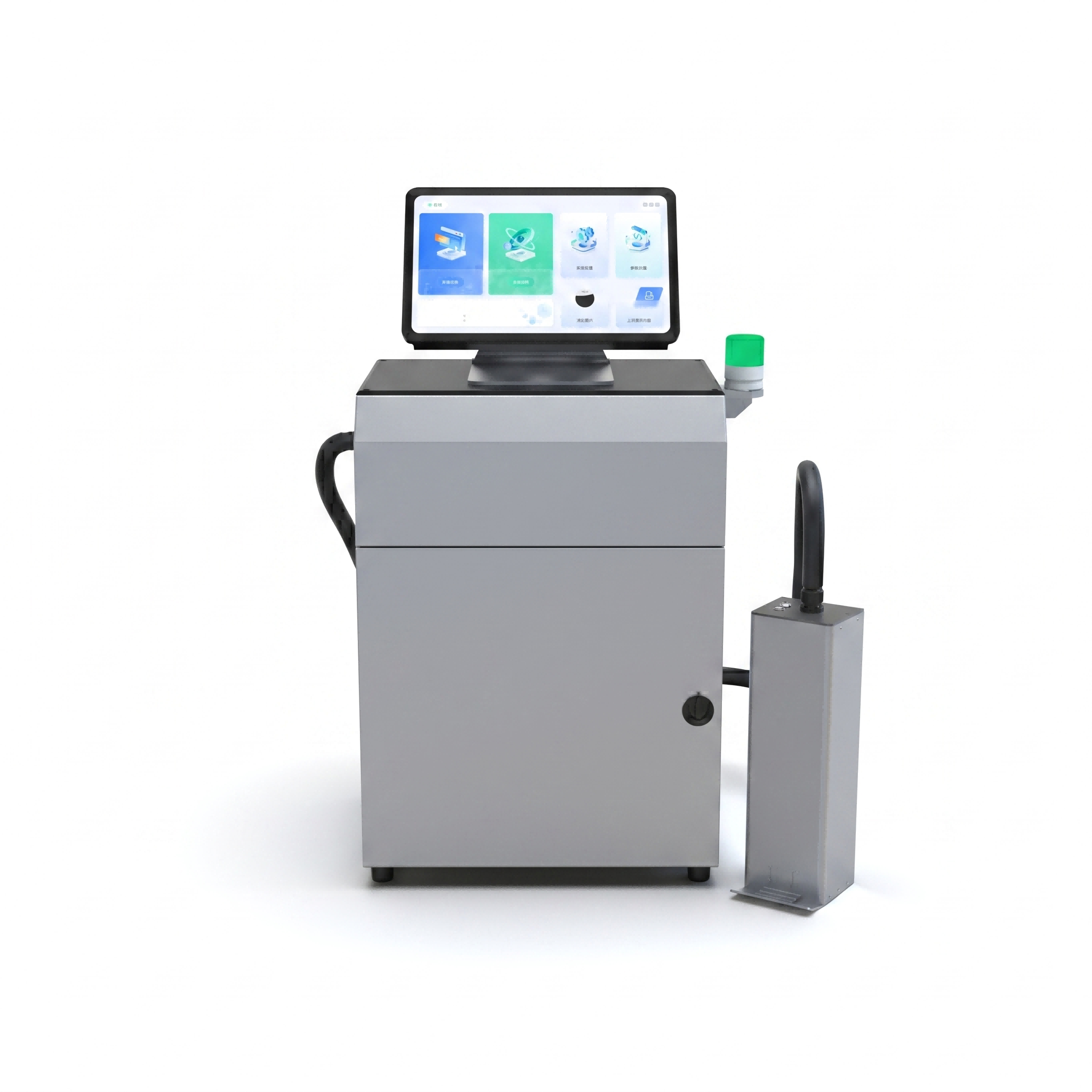
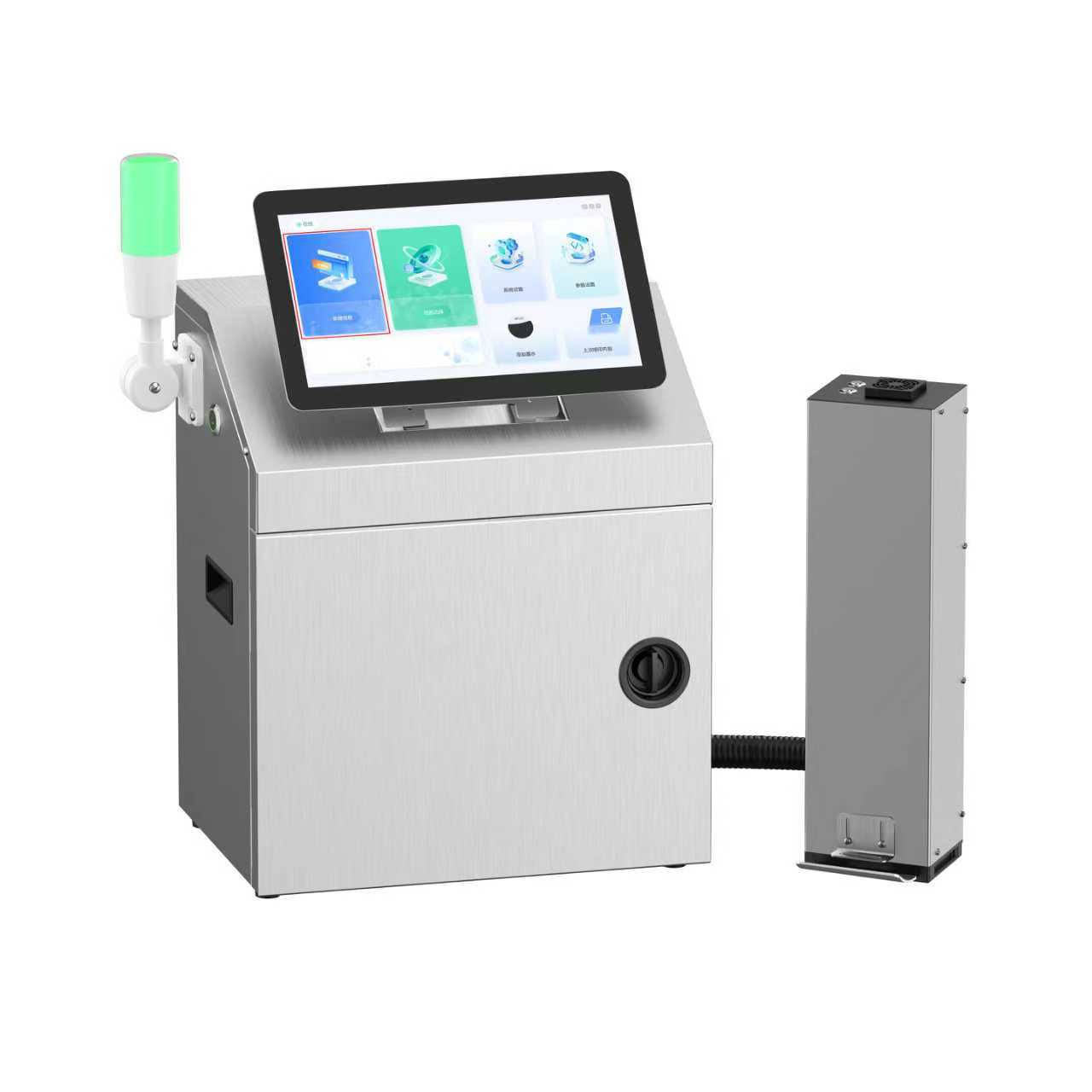
Inkjet Coder: Precision Marking Solutions

Get a Free Quote

Our representative will contact you soon.
Email
Name
Company Name
Message
0/1000

inkjet coder

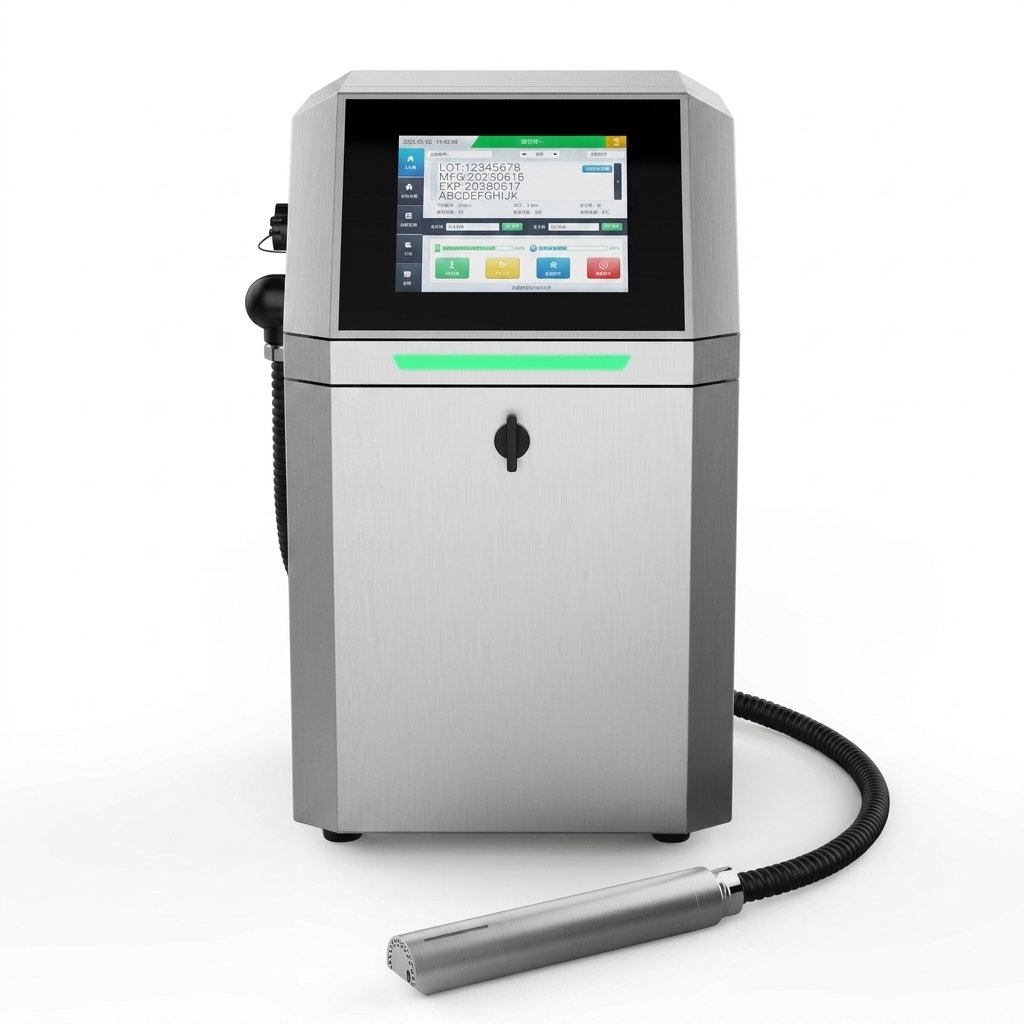
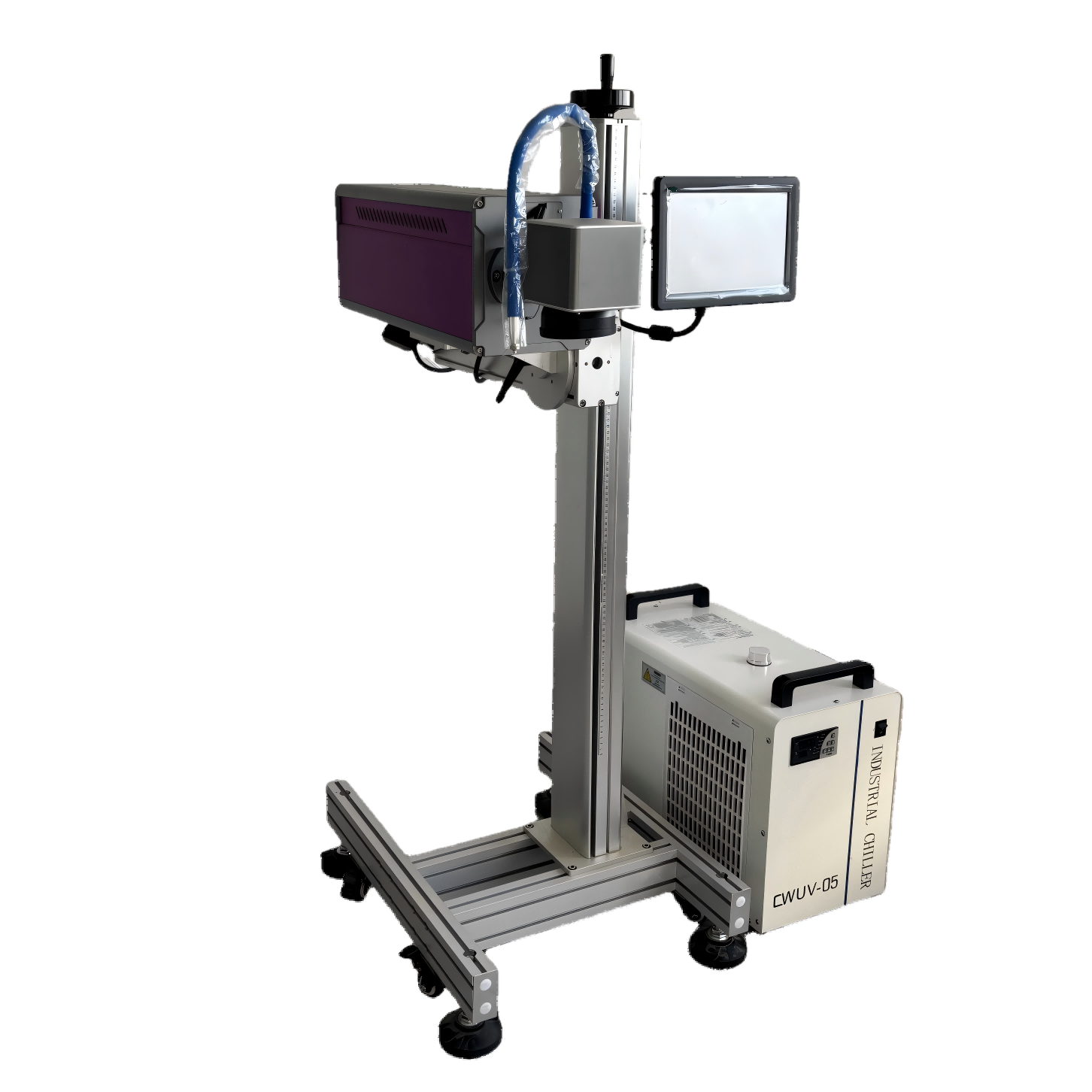
An inkjet coder represents a sophisticated marking technology designed to deliver high-speed, precise printing solutions across diverse manufacturing environments. This advanced inkjet coder system utilizes continuous or drop-on-demand inkjet technology to apply codes, dates, logos, and variable information directly onto product surfaces with exceptional clarity and accuracy. The inkjet coder operates by propelling microscopic ink droplets onto substrates at remarkable velocities, creating crisp, permanent marks that withstand handling and environmental exposure. Modern inkjet coder equipment integrates digital imaging systems, enabling real-time adjustments and complex pattern printing without requiring physical contact with products. Key technological features of an inkjet coder include thermal or piezoelectric printhead mechanisms, specialized ink formulations compatible with various materials, and intelligent control systems that synchronize printing with production line speeds. The inkjet coder accommodates multiple substrates including plastics, metals, glass, paper, and ceramics, making it exceptionally versatile for manufacturers. Applications for an inkjet coder span food and beverage packaging, pharmaceutical labeling, automotive component identification, electronics manufacturing, and industrial tracking systems. The inkjet coder excels in environments requiring batch coding, expiration date printing, barcode generation, and product serialization. Industries leverage inkjet coder technology to maintain regulatory compliance, enhance supply chain transparency, and prevent counterfeiting. This marking solution delivers reliability, speed, and precision that traditional printing methods cannot match in modern production facilities.
New Product Recommendations

An inkjet coder delivers transformative operational benefits that directly impact production efficiency and cost management. This technology eliminates contact-based printing mechanisms, reducing wear on equipment and extending maintenance intervals significantly. Operators gain flexibility through non-contact printing, allowing seamless integration into existing production lines without extensive infrastructure modifications. The inkjet coder provides substantial cost savings by using only the necessary ink quantity for actual printing, minimizing waste compared to traditional marking systems. This efficiency directly reduces operational expenses while maintaining superior print quality. Production teams experience faster setup times and reduced downtime, as modern inkjet coder systems require minimal calibration adjustments between production runs. For manufacturers handling multiple product variations, the inkjet coder offers exceptional versatility. Production managers can instantly modify messages, formats, and designs through software interfaces without mechanical adjustments. This adaptability proves invaluable for facilities producing personalized items or managing frequently changing product specifications. The inkjet coder ensures consistent, readable marks that meet stringent industry regulations and consumer expectations. Superior print resolution guarantees that critical information like expiration dates, batch numbers, and barcodes remain legible throughout product lifecycles. This reliability protects brand reputation and facilitates efficient product recalls when necessary. Rapid printing speeds mean an inkjet coder keeps pace with high-volume production demands, enhancing overall line throughput. Environmental benefits emerge through reduced ink consumption and lower energy requirements compared to alternative marking technologies. Decision-makers recognize that investing in an inkjet coder strengthens competitive positioning through enhanced efficiency, reduced costs, and improved product traceability.

Latest News

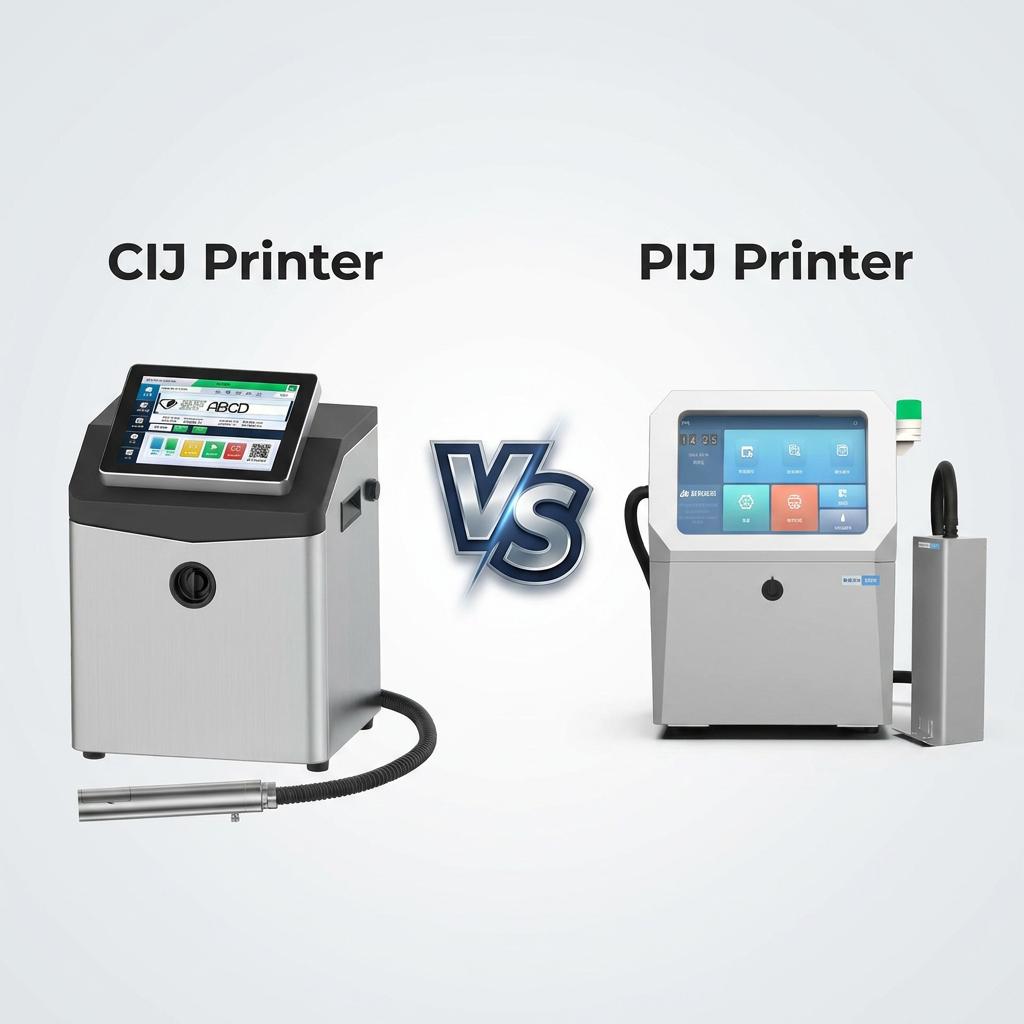
CIJ vs. PIJ Inkjet Printers: Which Coding Technology Fits Your Production Line?

01

Jul

CIJ vs. PIJ Inkjet Printers: Which Coding Technology Fits Your Production Line?

View More
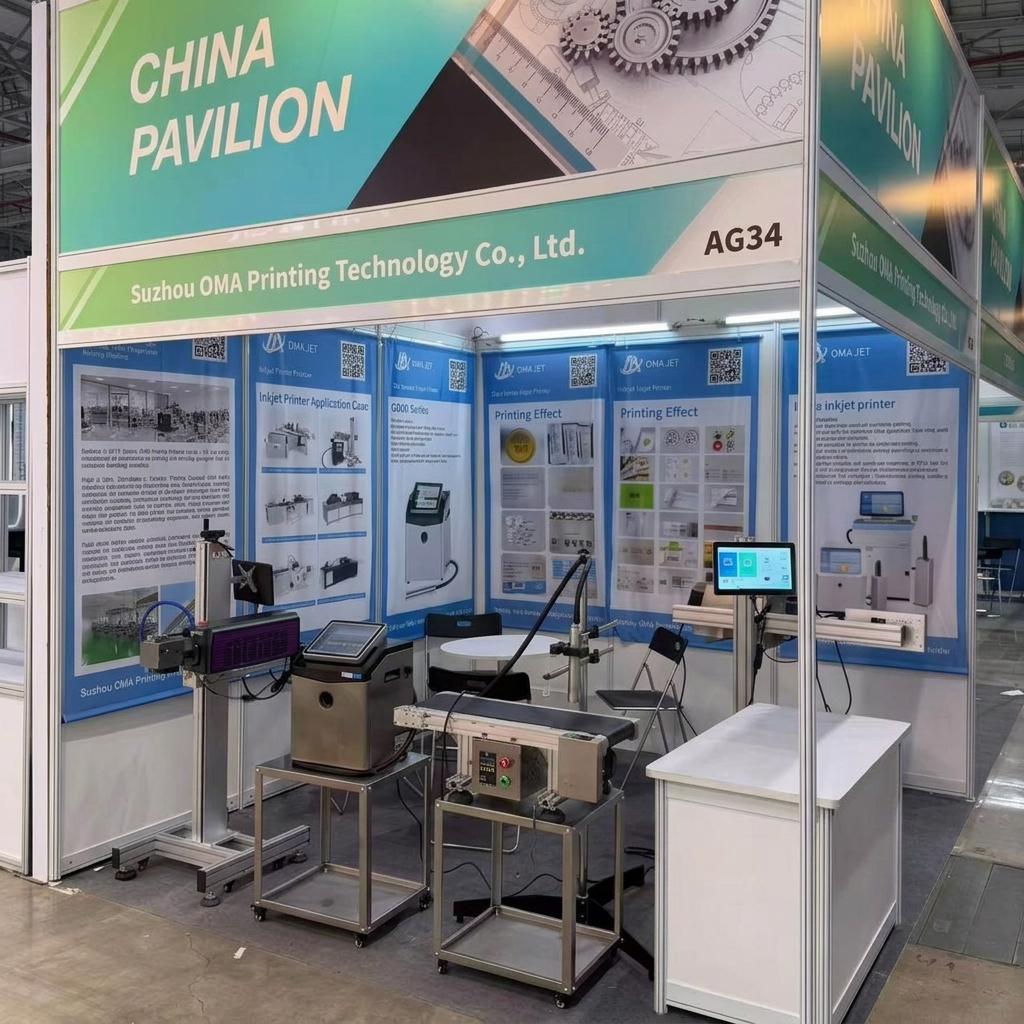
Suzhou OMA Showcases Next-Generation Coding Solutions at ProPak Vietnam

01

Jul

Suzhou OMA Showcases Next-Generation Coding Solutions at ProPak Vietnam

View More
Exploring PIJ Printers: Advanced Features and Key Industrial Applications

01

Jul

Exploring PIJ Printers: Advanced Features and Key Industrial Applications

View More

Get a Free Quote

Our representative will contact you soon.
Email
Name
Company Name
Message
0/1000

inkjet coder

Precision Marking Technology

Precision Marking Technology

The inkjet coder delivers unmatched printing precision through advanced printhead technology that deposits ink droplets with micrometer-level accuracy. This capability ensures that complex codes, barcodes, and detailed graphics reproduce perfectly on every product, regardless of surface texture or material composition. Manufacturers eliminate quality inconsistencies that plague older marking systems, as the inkjet coder maintains uniform print depth and character definition across entire production runs. The precision engineering within an inkjet coder system accommodates high-resolution requirements, producing marks readable by optical scanning equipment and human inspection simultaneously. This technical excellence protects product authenticity while enabling automated quality verification processes. Businesses deploying an inkjet coder gain competitive advantages through superior marking quality that enhances brand perception and meets international labeling standards effortlessly.
High-Speed Production Integration

High-Speed Production Integration

Modern inkjet coder systems operate at production speeds exceeding several hundred meters per minute, seamlessly matching contemporary manufacturing line velocities. This performance capability means an inkjet coder never becomes a production bottleneck, allowing facilities to maximize output without sacrificing marking quality. Real-time synchronization between the inkjet coder and conveyor systems ensures perfect timing of printed information, preventing misalignment or partial markings. Integration flexibility allows manufacturers to retrofit an inkjet coder into existing production environments with minimal disruption to established workflows. The responsive control systems within each inkjet coder adapt instantaneously to speed variations, maintaining consistent printing even during acceleration or deceleration phases. High-speed capability translates directly to increased facility throughput, enabling businesses to maximize revenue generation while maintaining competitive pricing structures.
Versatile Material Compatibility

Versatile Material Compatibility

An inkjet coder accommodates virtually every substrate manufacturers encounter in modern production environments, from rigid plastics and metals to flexible films and delicate surfaces. Specialized ink formulations developed for specific inkjet coder applications ensure permanent adhesion without damaging product integrity or altering material properties. This versatility eliminates the need for multiple marking systems, consolidating equipment investments and maintenance requirements. Manufacturers switching product lines simply adjust software settings on their inkjet coder rather than replacing hardware components. The inkjet coder's non-contact methodology prevents surface deformation, crucial when marking fragile items or temperature-sensitive materials. Companies achieve significant operational simplification by deploying a single, adaptable inkjet coder solution across diverse product portfolios, reducing training requirements and standardizing quality assurance procedures throughout their facilities.
Inkjet Coder: Precision Marking Solutions

Get a Free Quote

Our representative will contact you soon.
Email
Name
Company Name
Message
0/1000