laser fiber marking
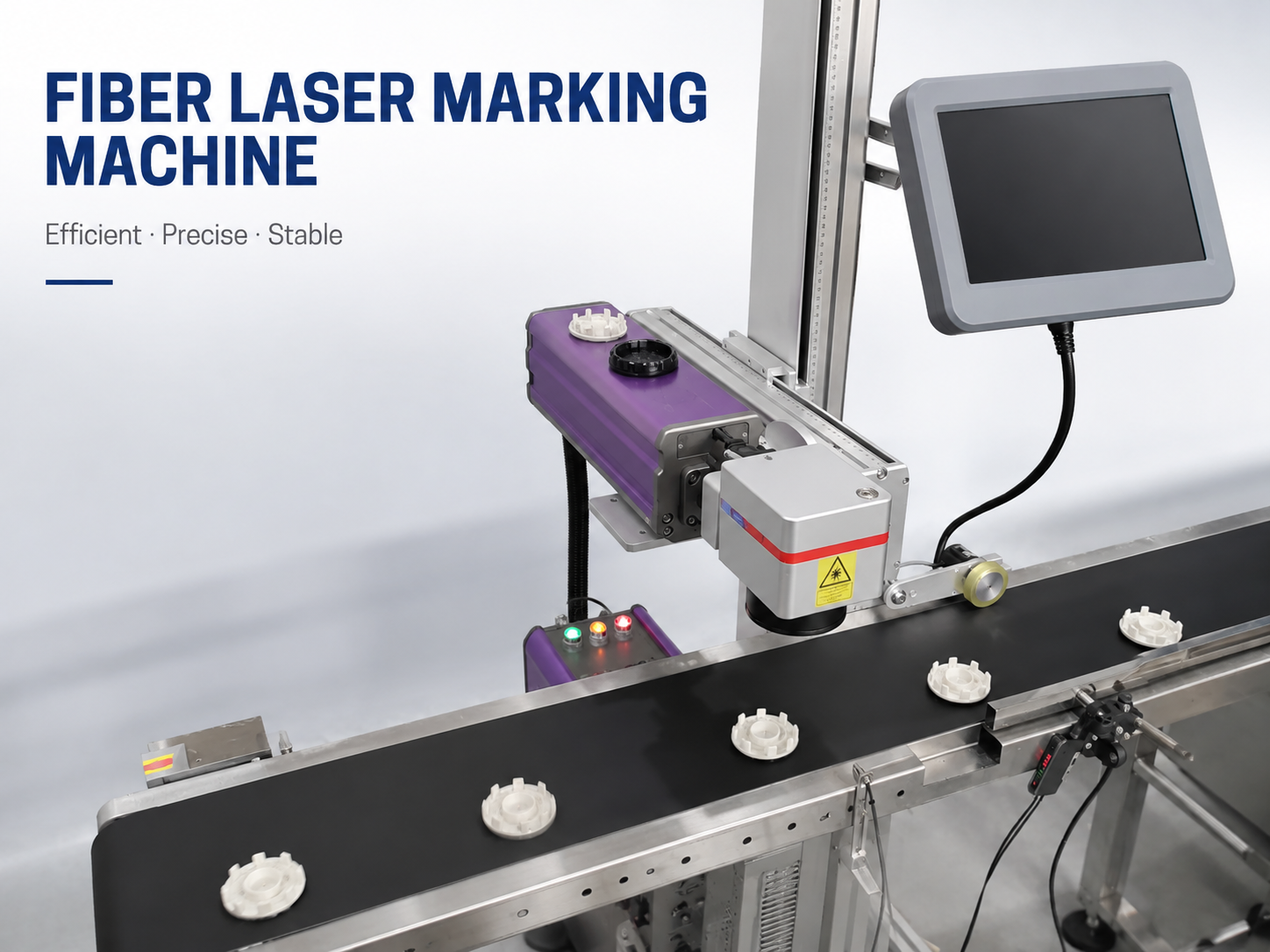
Laser fiber marking represents a cutting-edge technology that uses focused laser beams to create precise, permanent marks on various materials. This advanced method of laser fiber marking delivers exceptional accuracy and reliability across industrial applications. The technology works by directing coherent light through fiber optic cables to produce high-resolution engravings, etchings, and surface modifications on metals, plastics, ceramics, and other materials.
The core functionality of laser fiber marking involves converting electrical energy into concentrated laser light that interacts with material surfaces. This laser fiber marking process creates marks through material ablation, annealing, or color changes, depending on the target material and desired outcome. The technological features include high beam quality, excellent focusing capabilities, and rapid processing speeds that distinguish laser fiber marking from conventional marking methods.
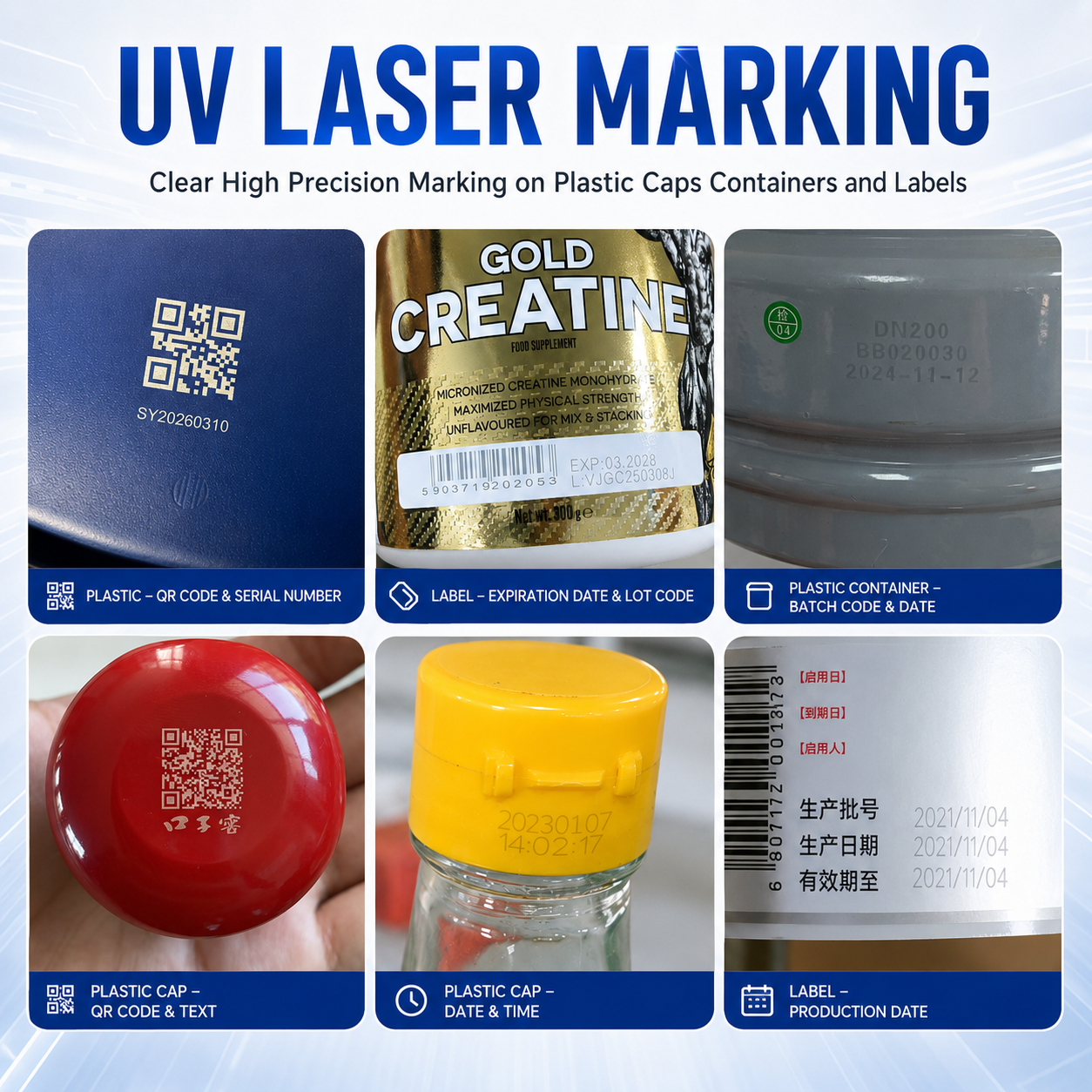
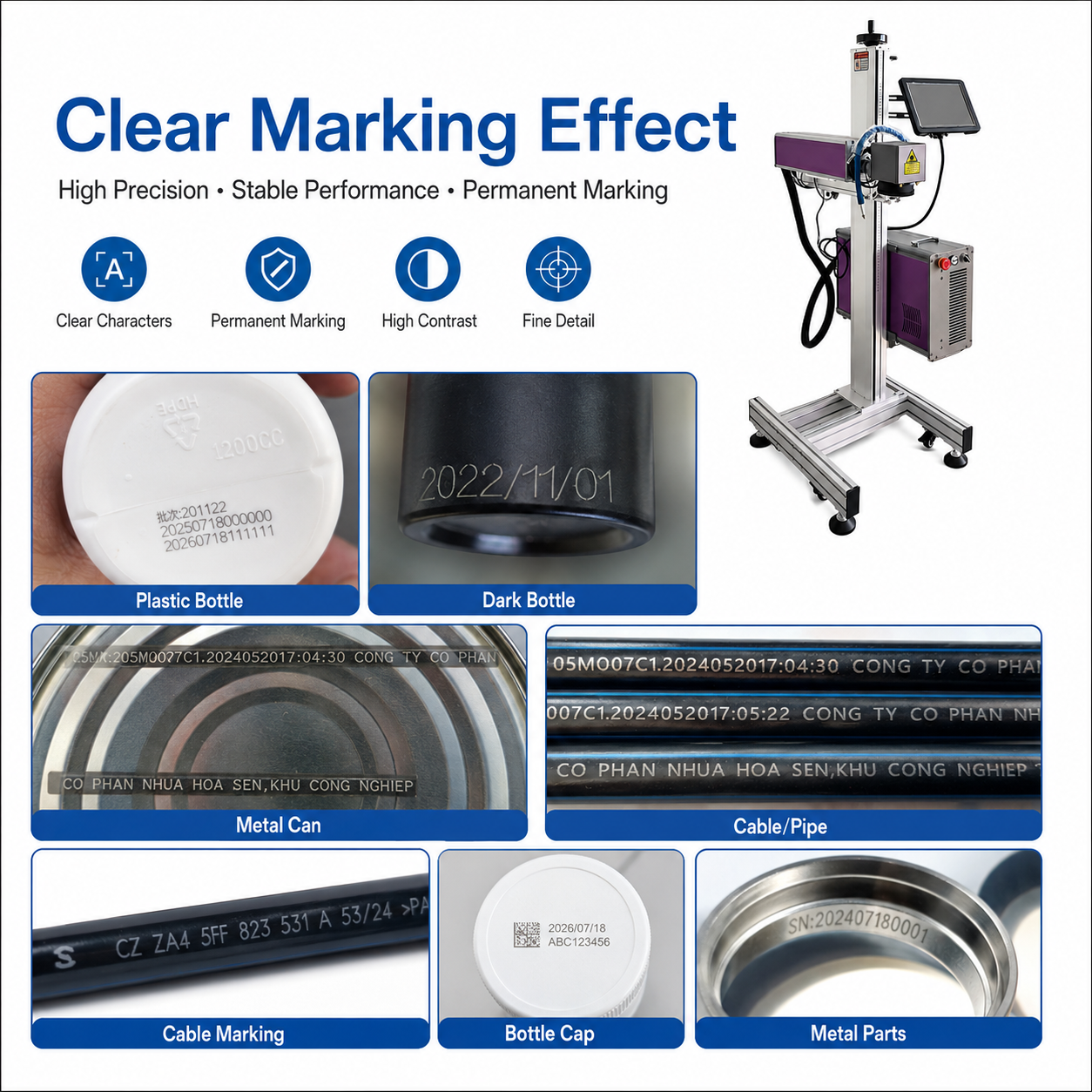
Laser fiber marking systems operate with wavelengths typically around 1064 nanometers, enabling deep penetration and strong absorption in metallic surfaces. These systems produce non-contact marks that require no consumables like inks or stamps, making laser fiber marking economically efficient over time. The precision of laser fiber marking reaches micrometers, allowing for detailed graphics, serial numbers, barcodes, and decorative patterns. Applications span industries including automotive manufacturing, aerospace engineering, electronics production, medical device fabrication, and jewelry creation. Industrial facilities utilize laser fiber marking for product identification, traceability, brand authentication, and component customization. The technology continues expanding into new sectors as manufacturing demands increasingly sophisticated marking solutions that deliver quality, speed, and reliability simultaneously.

 EN