EN



Best UV Laser Marking Machine for High-Contrast Marks
A uv laser marking machine represents a precision solution for industries requiring detailed, permanent marks on sensitive substrates without thermal damage. Unlike conventional marking technologies, ultraviolet laser systems operate through photochemical ablation rather than heat generation, making them ideal for polymers, electronics, pharmaceuticals, and medical devices where material integrity is paramount. The wavelength of UV lasers, typically around 355 nanometers, allows for exceptional focus and extremely fine mark resolution, delivering sharp, legible results even on demanding material surfaces. This technology has become essential for manufacturers needing compliance with traceability standards while maintaining product quality and appearance.
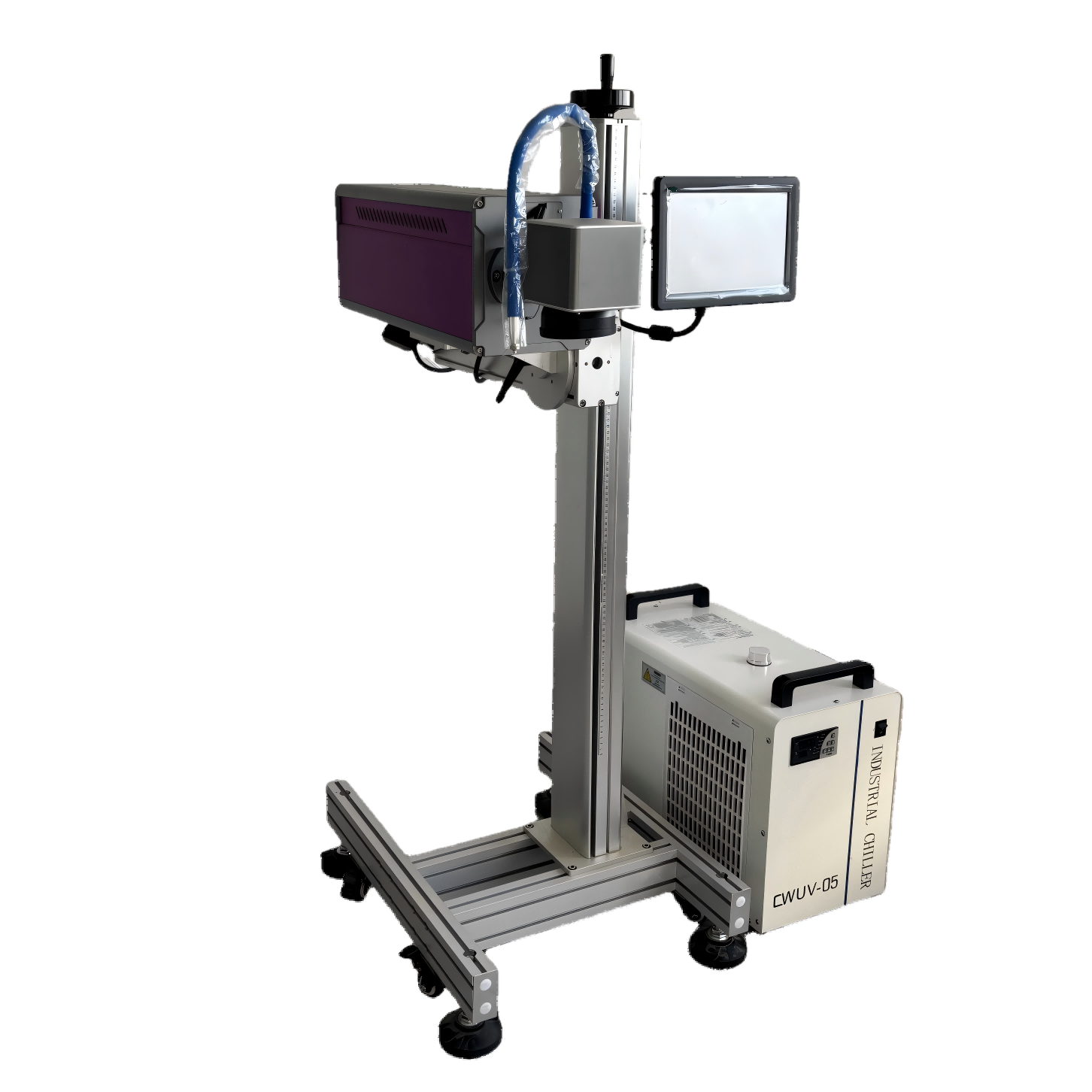
Selecting the right uv laser marking machine requires understanding how wavelength, power output, and material compatibility work together to produce superior marking performance. Industrial environments demand equipment that delivers consistency, reliability, and minimal maintenance across extended production runs. The best systems combine compact design with intuitive control interfaces, allowing operators to adjust marking parameters quickly while ensuring repeat accuracy. Manufacturers should evaluate both immediate marking quality and long-term operational economics when choosing a marking solution that supports production scale and quality objectives.
Core Advantages of UV Laser Marking Technology
Non-Thermal Processing and Material Safety
UV laser marking machines excel because they do not generate significant heat at the material surface, unlike infrared or fiber laser alternatives. This non-thermal mechanism is critical when marking heat-sensitive polymers, such as HDPE, PVC, and silicone compounds commonly found in consumer electronics and medical packaging. The photochemical process breaks molecular bonds directly through ultraviolet photon energy, creating precise, clean marks without melting, discoloration, or structural weakening. This capability makes the uv laser marking machine the preferred choice for manufacturers whose specifications demand pristine marking appearance combined with material property retention.
Superior Mark Resolution and Contrast
The shorter wavelength of ultraviolet light enables focus to extremely tight spot sizes, typically measuring 25 to 100 micrometers depending on system optics and power configuration. This precision translates directly to high-contrast marks with crisp edges, fine line work, and detailed image reproduction that other marking technologies struggle to achieve. Whether marking QR codes, serial numbers, logos, or complex graphics, a uv laser marking machine produces marks that remain legible and compliant across the entire product lifecycle. Industries such as pharmaceuticals and electronics rely on this resolution capability to meet regulatory marking requirements while maintaining professional product aesthetics.
Key Selection Criteria for Industrial Implementation
Power Output and Material Compatibility Assessment
UV laser marking machines are available in power configurations typically ranging from 3 watts to 25 watts, with different power levels suited to different material categories and production volumes. Lower-power systems excel on sensitive polymers and thin films where controlled energy delivery prevents material degradation, while higher-power units accelerate processing on thicker substrates and achieve deeper mark penetration when required. Before committing to a uv laser marking machine, manufacturers should evaluate marking samples on their specific materials under production-speed conditions. A qualified supplier can provide test results demonstrating mark quality, contrast ratio, and durability metrics that align with your quality and compliance standards.
Integration and Operational Workflow Efficiency
The best UV laser marking systems integrate seamlessly into existing production lines through flying marking capability, allowing marks to be applied to moving components without halting conveyor speed. Software flexibility is equally important; intuitive interfaces should enable rapid job changes, batch customization, and parameter adjustment without extensive operator training or production downtime. Reliability metrics matter significantly in high-volume environments where equipment availability directly impacts throughput. A reputable supplier should provide comprehensive documentation, training resources, and responsive technical support to ensure your uv laser marking machine operates at peak performance throughout its operational life.
Material Applications and Industry Use Cases
Polymer and Elastomer Marking Excellence
UV laser marking machines are exceptionally well-suited for marking thermoplastic polymers, elastomers, and composite materials that require permanent identification without surface damage. Medical device manufacturers use UV marking for traceability on silicone tubing, catheters, and injection-molded housings where sterility and material integrity cannot be compromised. Electronics manufacturers mark HDPE and PVC components, cable jackets, and connector housings with serialization that meets regulatory requirements without introducing mechanical stress or thermal distortion. Consumer goods companies leverage uv laser marking machine capabilities to apply decorative marks, brand identifications, and variable data on packaging and product surfaces with professional quality and production efficiency.
Regulated Industry Compliance and Documentation
Industries operating under strict regulatory frameworks, including pharmaceuticals, medical devices, and aerospace components, increasingly depend on UV laser marking technology to achieve permanent, indelible identification that withstands sterilization processes and extended product shelf life. Regulatory bodies such as the FDA and ISO standards bodies recognize UV-marked traceability as a reliable identification method, and documentation from a qualified supplier can support compliance verification during audits. The non-contact nature of UV marking eliminates contamination risk, a critical advantage in cleanroom environments and applications demanding sanitary processing conditions. Organizations seeking to strengthen supply chain traceability and product recall capabilities find that uv laser marking machine implementations provide auditable, tamper-resistant marking that protects brand integrity and consumer safety.
FAQ
What materials can be marked with a UV laser marking machine?
UV laser marking machines work effectively on polymers including HDPE, PVC, silicone, polyurethane, and acrylic, as well as some specialty coatings and thin films. They perform exceptionally well on materials that are heat-sensitive and would be damaged by thermal marking methods. The photochemical mechanism allows marking on substrates ranging from rigid components to flexible films without material alteration. Your equipment supplier should provide detailed material compatibility data and recommend optimal power settings for your specific application.
How does UV laser marking compare to other marking technologies?
UV laser marking delivers superior resolution and contrast compared to inkjet, thermal transfer, and mechanical marking methods, particularly on sensitive materials where heat or chemical residue cannot be tolerated. Fiber laser systems operate at longer wavelengths and generate more heat, making them unsuitable for polymers where a uv laser marking machine excels. The choice depends on material composition, mark durability requirements, production volume, and regulatory specifications. Consulting with your supplier ensures you select the technology that optimizes both marking quality and total cost of ownership.
What maintenance and support should I expect from a UV laser marking machine supplier?
A reliable supplier provides preventive maintenance schedules, spare parts availability, technical documentation, and responsive support to maximize equipment uptime and performance consistency. UV laser marking machine systems require periodic optical alignment verification and software updates to maintain precision and compatibility with evolving production requirements. Training programs and remote support capabilities help your team troubleshoot issues and optimize marking parameters across different job specifications. Establishing a strong partnership with your supplier ensures long-term success and protection of your investment in marking technology infrastructure.