EN




Variable Data Printing: Inkjet vs Laser Comparison
Variable data printing represents a transformative technology in modern manufacturing, packaging, and labeling operations. This capability allows businesses to customize individual elements—such as barcodes, serial numbers, dates, or personalized text—within high-speed production runs without slowing throughput. The choice between inkjet and laser technologies for variable data printing directly impacts your operational efficiency, production costs, and final product quality. Understanding the strengths and limitations of each approach is essential for making an informed investment decision that aligns with your specific business requirements and long-term scalability goals.
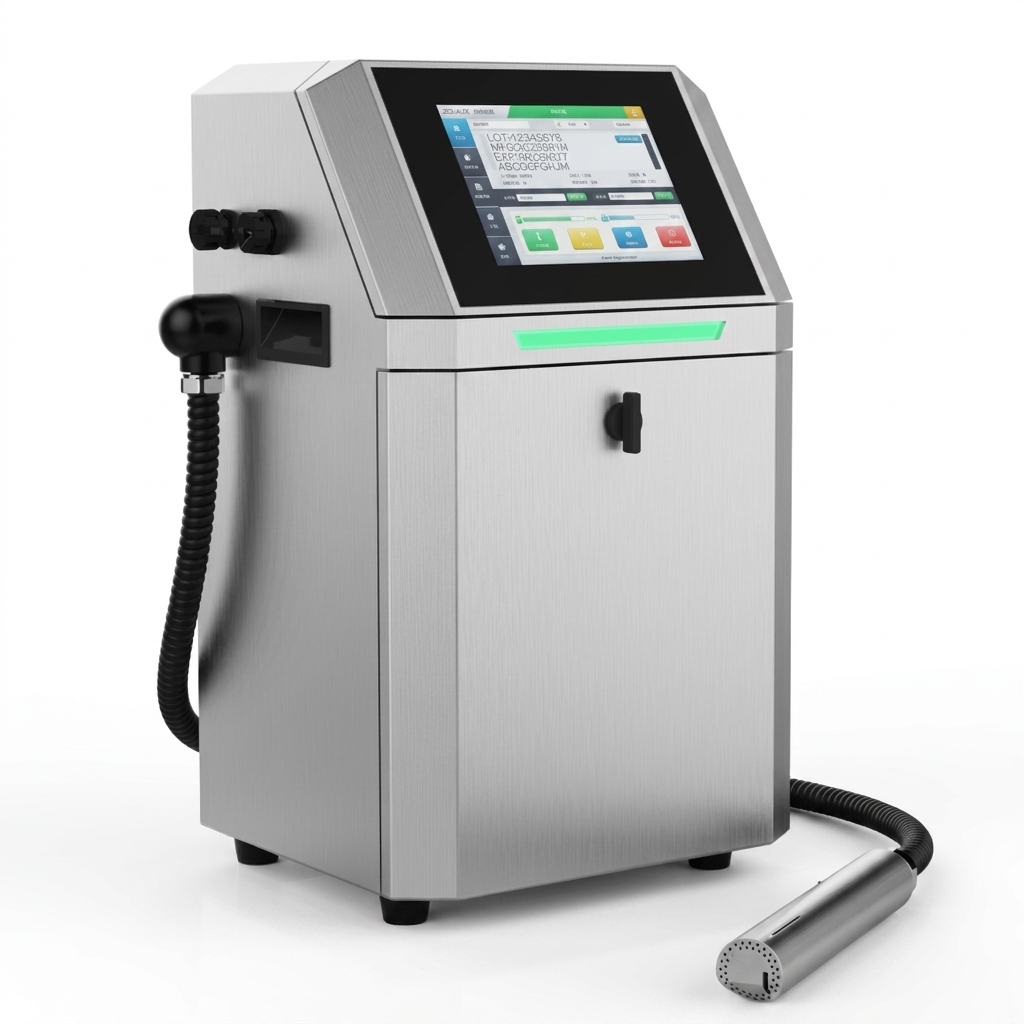
Both inkjet and laser systems excel in different production scenarios, and selecting the right technology requires careful evaluation of material compatibility, speed requirements, and cost-per-unit economics. This comparison examines the core mechanics, practical advantages, and real-world trade-offs of each approach. Whether you operate a high-volume manufacturing facility or a mid-range production environment, this analysis will help you determine which variable data printing technology best serves your operational needs and business objectives.
How Inkjet Variable Data Printing Works
Continuous and Drop-on-Demand Inkjet Technologies
Inkjet printing systems operate by ejecting microscopic droplets of ink onto moving substrates. Continuous inkjet systems maintain a constant stream of charged droplets, allowing high-speed variable data printing across diverse materials including films, bottles, and irregular surfaces. Drop-on-demand inkjet technology, by contrast, fires ink only when needed, making it ideal for applications requiring precision and minimal ink waste. Both approaches enable real-time variable data printing without mechanical contact, reducing product damage and allowing printing on delicate or curved surfaces that would be impossible for laser systems to mark effectively.
Substrate Compatibility and Flexibility
Inkjet variable data printing accommodates a remarkably broad range of materials—plastics, glass, metals, textiles, ceramics, and coated papers—because the ink adheres through absorption or surface tension rather than material removal. This versatility makes inkjet systems particularly valuable for manufacturers dealing with diverse product lines. A supplier offering variable data printing solutions must consider whether your production environment involves multiple substrate types, as inkjet's material flexibility often translates to reduced operational constraints and simplified production workflow integration.
How Laser Variable Data Printing Works
Laser Marking and Thermal Ablation
Laser variable data printing achieves permanent marks through focused beam energy that either vaporizes surface material, causes thermal discoloration, or creates micro-scale surface changes. The laser operates contactless and produces extremely fine resolution, making it ideal for complex barcodes, QR codes, and intricate serial numbers requiring high legibility and scan accuracy. Unlike inkjet systems, laser marking creates permanent, fade-resistant marks that endure harsh environments, chemical exposure, and extended product lifecycles. For variable data printing applications involving regulatory compliance, traceability, or product authenticity requirements, laser systems often deliver superior long-term reliability and mark permanence.
Speed and Precision Characteristics
Laser variable data printing excels in marking speed when substrates allow direct laser interaction. Fiber lasers deliver rapid mark cycles suitable for high-speed production lines, while CO2 lasers work effectively on organic materials like wood and cardboard. The precision achievable with laser technology supports exceptionally small text and detailed graphics, making variable data printing via laser particularly valuable in pharmaceutical, cosmetics, and electronics sectors where marking density and clarity are critical. Laser systems maintain consistent mark quality across production runs without consumable replenishment, reducing operational interruptions during variable data printing operations.
Practical Comparison and Selection Factors
Cost Structure and Total Cost of Ownership
Initial equipment investment for laser systems typically exceeds inkjet costs, but consumable expenses differ significantly across technologies. Inkjet variable data printing requires ongoing ink purchases and printhead maintenance, while laser systems demand occasional lens cleaning and electrical power. For high-volume operations running continuously, laser technology often proves more economical over extended periods. Conversely, low to mid-volume facilities benefit from inkjet's lower upfront capital requirements and simpler operator training. Your supplier should provide detailed cost-per-unit projections accounting for consumables, maintenance intervals, and expected system lifespan before you commit to variable data printing technology.
Production Environment Considerations
Inkjet variable data printing systems integrate smoothly into existing production lines with minimal infrastructure modifications and work effectively across indoor and outdoor environments once properly sealed against moisture. Laser variable data printing requires adequate ventilation or fume extraction systems, particularly when processing materials that release gases during thermal ablation. Environmental factors, workplace safety regulations, and facility layout significantly influence implementation difficulty. Many manufacturing environments favor inkjet systems for ease of integration and lower environmental requirements, while precision-critical sectors invest in laser infrastructure despite higher complexity. Consulting with an experienced supplier ensures variable data printing technology selection accounts for your specific facility constraints and operational environment.
FAQ
Which variable data printing technology produces permanent marks?
Laser systems create permanent marks through material removal or thermal change, resulting in marks that resist fading, chemical exposure, and prolonged environmental stress. Inkjet marks remain permanent on compatible substrates but may fade with UV exposure or chemical contact depending on ink formulation and substrate type. For applications requiring indefinite mark longevity—such as product identification or regulatory compliance documentation—laser variable data printing typically provides superior durability. Your selection should consider the product's expected lifespan and environmental exposure conditions.
Can inkjet variable data printing achieve the resolution required for QR codes?
Modern inkjet systems can produce QR codes and barcodes with sufficient resolution for reliable scanning, particularly drop-on-demand technologies using advanced nozzle configurations. However, laser variable data printing generally achieves finer resolution and superior edge definition, resulting in higher first-read scan rates in industrial environments. If your application involves QR codes or complex barcodes requiring performance reliability across varying environmental conditions, laser technology often provides greater confidence. An experienced supplier can evaluate your specific barcode requirements and recommend the optimal technology for your scanability standards.
What substrate compatibility advantages does inkjet variable data printing offer?
Inkjet variable data printing works effectively on virtually any material—including plastics, metals, glass, textiles, ceramics, and irregular surfaces—without material-specific limitations. Laser systems require materials capable of thermal interaction, limiting applicability on certain polymers and curved surfaces. This substrate flexibility makes inkjet variable data printing ideal for manufacturers processing diverse product lines or unconventional materials. If your production environment involves frequent product format changes, inkjet technology minimizes retooling requirements and simplifies supplier coordination for variable data printing support.