EN




Coding and Marking Solutions Buying Guide 2026
Selecting the right coding and marking solutions is a critical operational decision for manufacturers in food, beverage, pharmaceuticals, electronics, and industrial production. The complexity lies not just in identifying available technologies, but in matching those technologies to your specific production environment, regulatory requirements, speed demands, and cost structure. This guide provides manufacturers, plant managers, and procurement teams with a structured framework for evaluating coding and marking solutions in 2026, helping you make informed decisions that directly impact product traceability, compliance, and operational efficiency.
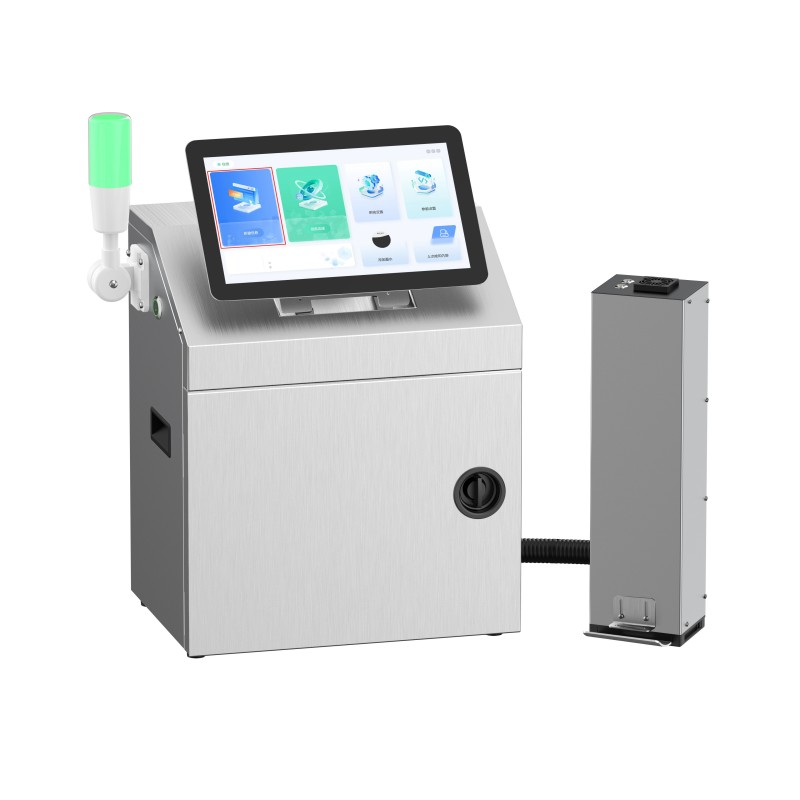
The coding and marking solutions market has evolved significantly, with new technologies emerging alongside proven systems. Industrial marking now encompasses inkjet printing, thermal transfer printing, laser marking, thermal inkjet, piezoelectric systems, and hybrid approaches. Understanding the practical differences between these options requires more than technical specification sheets; it demands clarity on total cost of ownership, integration complexity, maintenance requirements, and supplier reliability. This buying guide walks you through the essential evaluation criteria, implementation considerations, and long-term supplier relationship factors that determine success.
Understanding Core Technology Categories
Inkjet and Thermal Solutions
Continuous inkjet, thermal inkjet, and piezoelectric inkjet represent the dominant coding and marking solutions in high-speed production environments. Continuous inkjet systems excel at marking small characters on fast-moving lines, making them ideal for beverage bottles, pharmaceutical packaging, and food products. Thermal inkjet offers lower upfront costs and minimal maintenance, while piezoelectric technology provides precision and reduced ink consumption. Each technology presents different supplier ecosystems, ink availability, consumable costs, and integration pathways. When evaluating coding and marking solutions at this level, your supplier must demonstrate expertise in your specific production speed, substrate type, and environmental conditions.
Laser and Thermal Transfer Options
Laser marking and thermal transfer printing serve scenarios where chemical resistance, permanence, or non-contact application is critical. Laser systems excel on metals, ceramics, and hard plastics but require capital investment and controlled environments. Thermal transfer printing delivers cost-effective solutions on labels and flexible packaging but depends on consistent film availability. Your supplier must clarify which coding and marking solutions integrate with your existing line architecture without major conveyor modifications or downstream process disruptions. Many manufacturers select multiple technologies; your supplier should facilitate that hybrid approach rather than pushing single-solution dependency.
Evaluating Key Selection Criteria
Production Speed and Substrate Compatibility
Production line speed directly determines which coding and marking solutions remain viable. High-speed lines running at 300+ containers per minute demand continuous inkjet or specialized piezoelectric systems; slower lines tolerate thermal inkjet or thermal transfer. Substrate material compatibility is equally non-negotiable. Porous surfaces like cardboard demand different ink formulations than non-porous bottles or flexible films. A credible supplier will test your actual product samples before recommending coding and marking solutions, not simply reference technical datasheets. This testing phase reveals integration challenges, print quality issues, and consumable consumption rates under real conditions.
Regulatory Compliance and Traceability
Pharmaceutical manufacturers face strict FDA and EMA requirements; food producers must comply with country-of-origin marking; electronics manufacturers require component traceability. The coding and marking solutions you select must produce print quality that survives distribution, storage, and shelf life without fading or illegibility. Your supplier should document compliance with relevant regulations, provide print durability testing data, and maintain certification records. Selecting a supplier with proven experience in your regulatory landscape prevents costly line shutdowns, recalled product batches, and compliance violations downstream.
Total Cost of Ownership Assessment
Capital expenditure is only one component of true cost. Consumable costs, maintenance labor, downtime frequency, ink waste, and supplier service response time all accumulate over system lifetime. Some coding and marking solutions demand frequent printhead replacement; others require regular nozzle cleaning or component recalibration. A transparent supplier provides itemized consumable pricing, expected replacement intervals, and realistic maintenance schedules. Comparing two suppliers on hardware price alone often leads to expensive mistakes. Request a five-year cost projection that includes consumables, service plans, and anticipated repairs before committing to any coding and marking solutions purchase.
Supplier Selection and Partnership Strategy
Technical Support and Service Infrastructure
The quality of your supplier directly determines system reliability and response times during line failures. Evaluate whether your supplier maintains local service technicians or relies on remote support; whether spare parts inventory is available locally or requires extended shipping; and whether emergency support exists during your production shifts. Industrial coding and marking solutions typically cannot fail without disrupting production schedules and delaying shipments. A supplier with inadequate service infrastructure becomes a liability. Request references from existing customers in your region and verify average response times for critical issues.
Training and Implementation Excellence
Successful deployment of coding and marking solutions requires thorough operator training, maintenance team certification, and troubleshooting documentation. Your supplier should deliver hands-on training before production launch, provide digital resources accessible by your team, and maintain contact with designated personnel for post-installation support. Poor training leads to premature system failure, unnecessary downtime, and wasted consumables. A supplier committed to your success invests in training quality, provides multilingual resources if needed, and builds internal competency within your organization rather than creating dependency on external visits.
Technology Roadmap and Scalability
Manufacturing environments evolve; production lines speed up, product portfolios change, and regulatory requirements tighten. Your chosen supplier should articulate a clear technology roadmap demonstrating how their coding and marking solutions accommodate future growth. Can you upgrade from one technology to another without replacing core infrastructure? Does your supplier offer flexible modular systems or rigid locked-in designs? Long-term supplier relationships thrive when both parties plan for evolution rather than view each installation as isolated transaction. Select suppliers who demonstrate interest in understanding your growth trajectory and can position their coding and marking solutions accordingly.
FAQ
What factors should I prioritize when comparing different coding and marking solutions suppliers?
Prioritize suppliers offering comprehensive technical support, transparent total cost calculations, proven experience in your industry, and willingness to test on your actual products before commitment. Verify local service infrastructure, training quality, and spare parts availability. The lowest hardware price often disguises higher lifetime costs through expensive consumables and poor service. Request detailed references from customers running similar production speeds and product types, then contact them directly about reliability and supplier responsiveness.
How do I determine which coding and marking solutions technology best fits my production line?
Align technology selection to your specific requirements: continuous inkjet for high-speed liquid packaging, thermal inkjet for moderate-speed flexible packaging, laser for permanent marking on hard substrates, and thermal transfer for label applications. Consult your supplier to perform pilot testing on representative samples under actual production conditions. This testing phase reveals print quality, compatibility, consumable consumption, and integration challenges before full-line deployment. Most quality suppliers conduct this evaluation as part of the selection process without charging additional fees.
What hidden costs should I anticipate when budgeting for coding and marking solutions?
Beyond hardware purchase price, account for consumables including specialized inks, solvents, replacement printheads, and cleaning supplies. Plan for line downtime during installation and operator training. Anticipate maintenance costs, field service visits, and equipment transportation. Some coding and marking solutions require environmental controls like humidity management or compressed air filtering, adding facility costs. Request itemized five-year cost projections from your supplier and cross-reference consumable pricing with current market rates to identify realistic long-term expense forecasts.