IKEA Label Case-OMA A500 PIJ Inkjet Printer 1. The Critical Demand for Traceability in Global Retail In the modern global supply chain, particularly for retail giants like IKEA, variable data coding is no longer just a requirement—it is a corn...
In the modern global supply chain, particularly for retail giants like IKEA, variable data coding is no longer just a requirement—it is a cornerstone of logistics efficiency and brand integrity. The ability to print unique barcodes, DataMatrix codes, and production details on demand allows for real-time inventory tracking and anti-counterfeiting measures. However, achieving the required print quality on various label substrates at high speeds remains a significant challenge for traditional coding methods. This case study explores how the A500 Piezo Inkjet (PIJ) printer, integrated with a high-speed rewinding system, provides a definitive solution for high-end label coding.
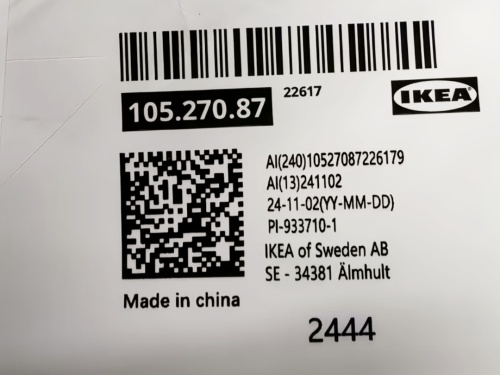
The customer in this case is a specialized label manufacturer for global furniture supply chains. Their primary challenge was to print complex, high-density variable data—including IKEA-standard product codes, GS1-compliant DataMatrix codes, and multi-line technical text—directly onto roll-fed labels.
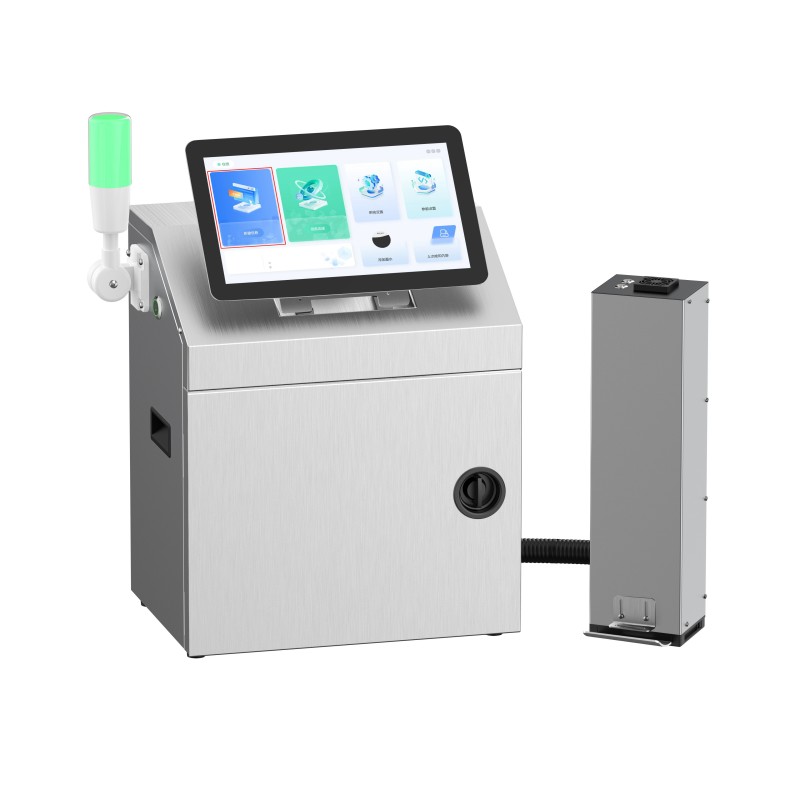
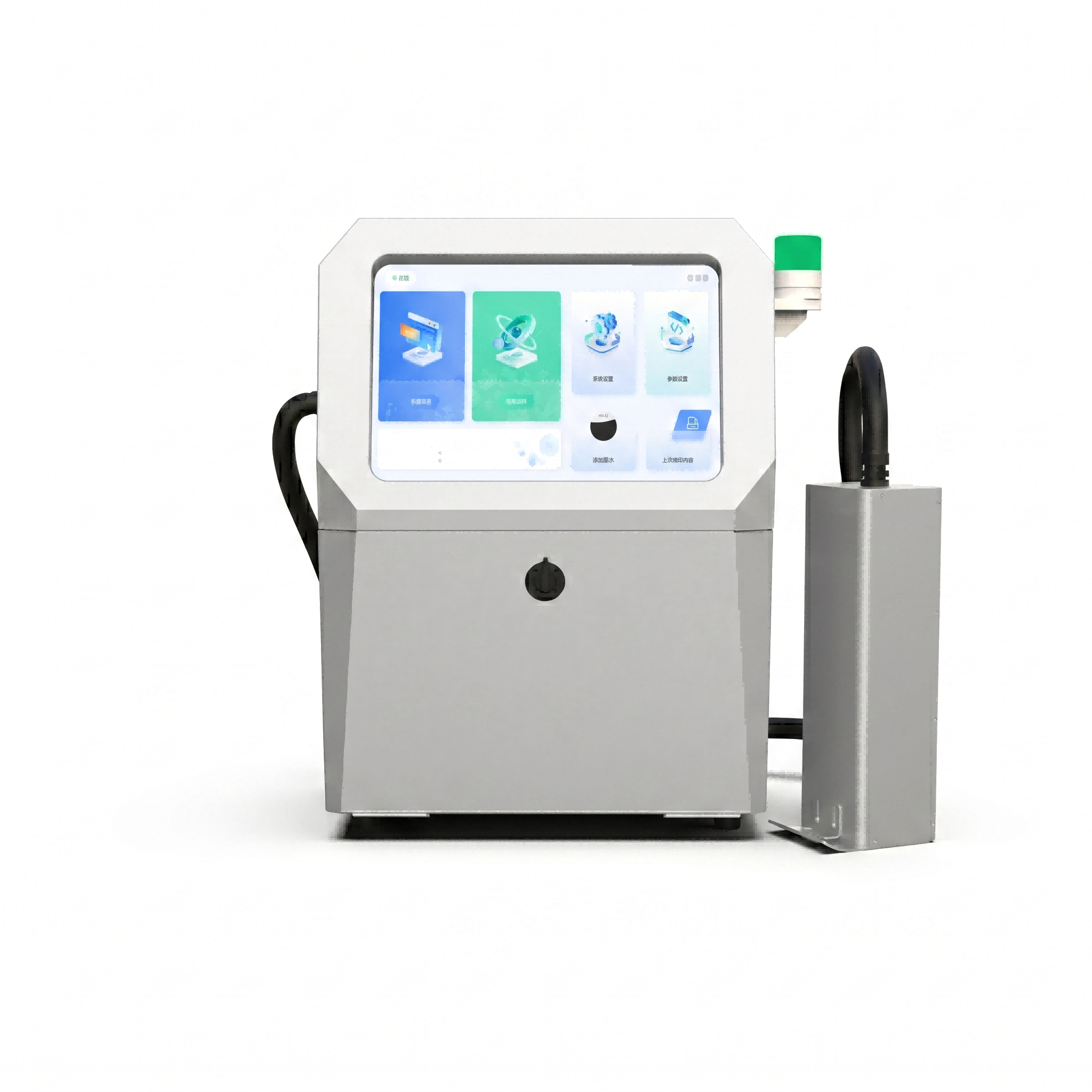
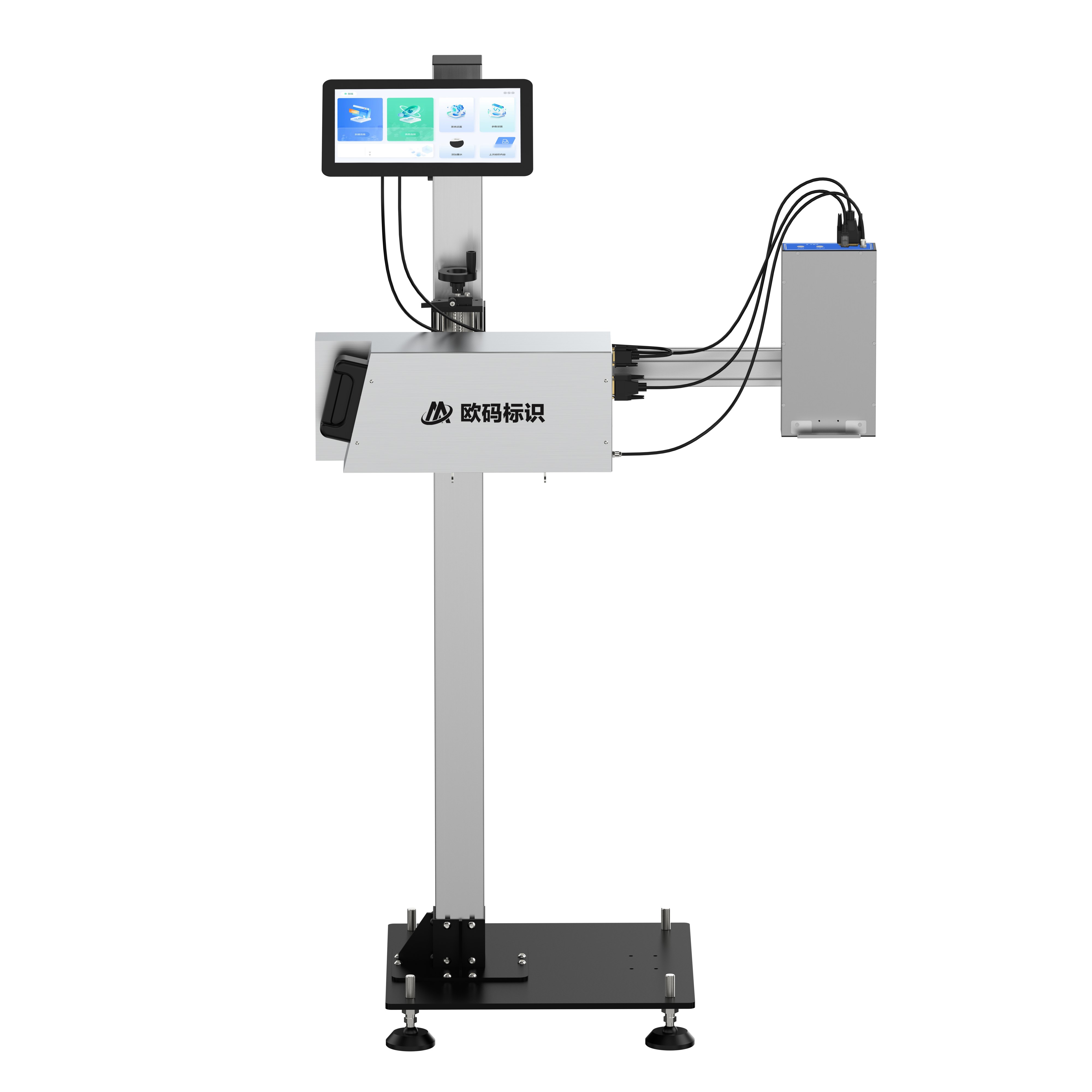
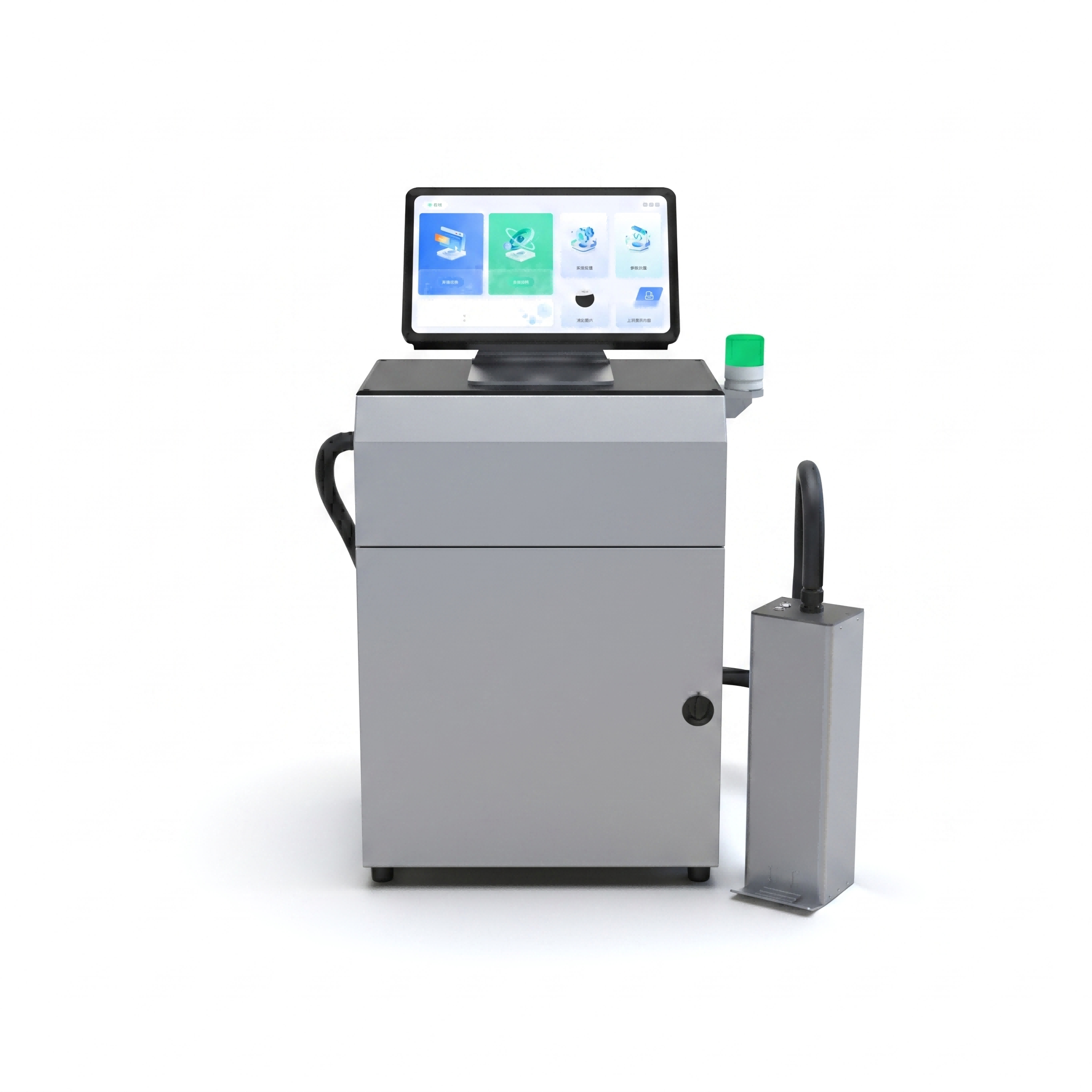
The A500 PIJ printer was selected for its industrial-grade stability and exceptional resolution. At the heart of the system lies the Ricoh G5 printhead, a legend in the industrial inkjet world. Known for its robust stainless steel construction and internal temperature control, the Ricoh G5 ensures consistent droplet formation even during long production runs in demanding factory environments.
The Ricoh G5 printhead utilizes advanced piezoelectric technology to achieve grayscale printing through variable drop sizes (ranging from 7pl to 35pl). For label coding, this means:
Superior Edge Definition: Small droplets allow for extremely sharp edges on barcodes and 2D codes, ensuring they meet "Grade A" scannability standards.
High Resolution: With a physical resolution of 600 DPI, the A500 can print micro-text that remains perfectly legible under magnification.
Industrial Durability: The G5 head is designed for a long service life, significantly reducing the Total Cost of Ownership (TCO) compared to thermal inkjet (TIJ) systems that require frequent cartridge replacements.
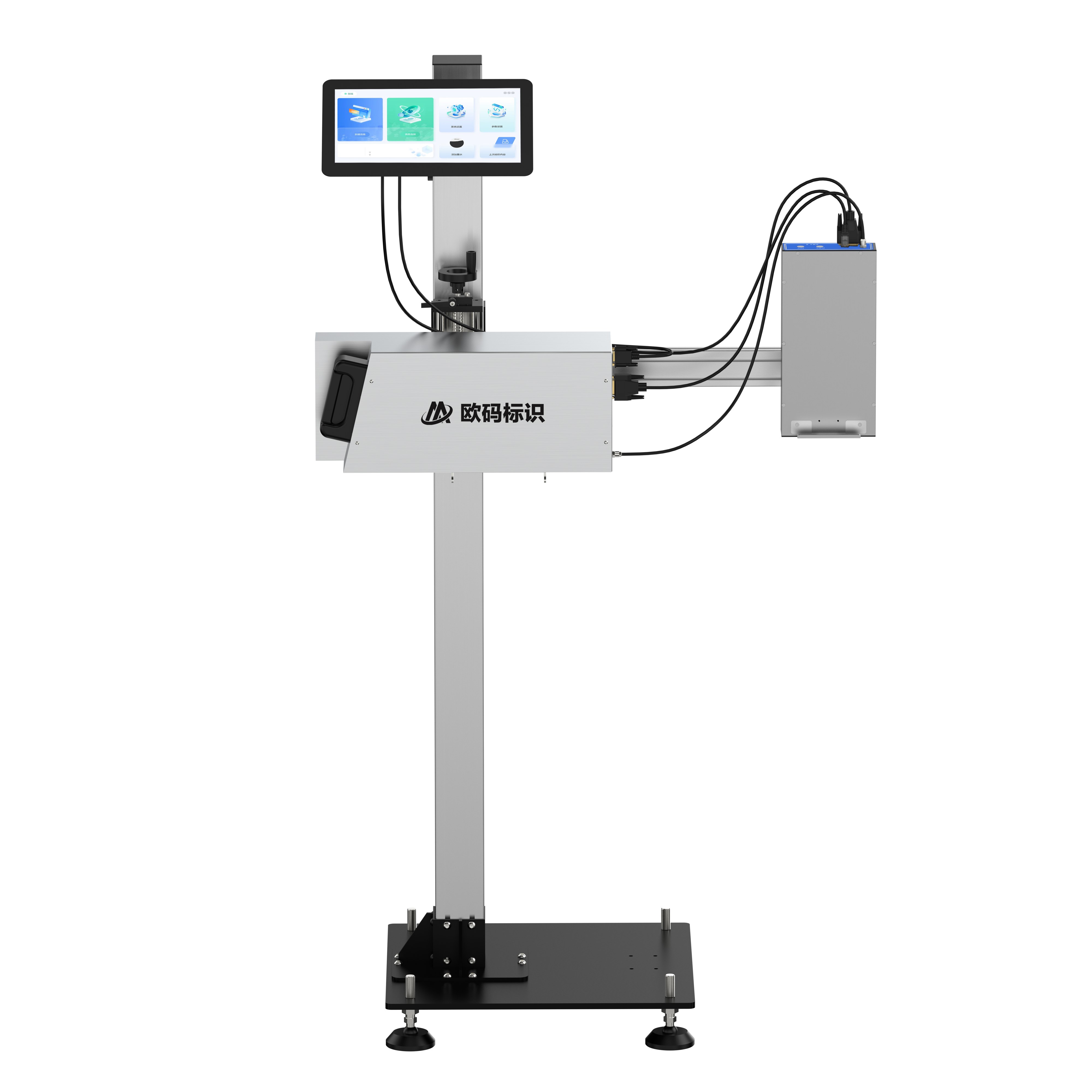
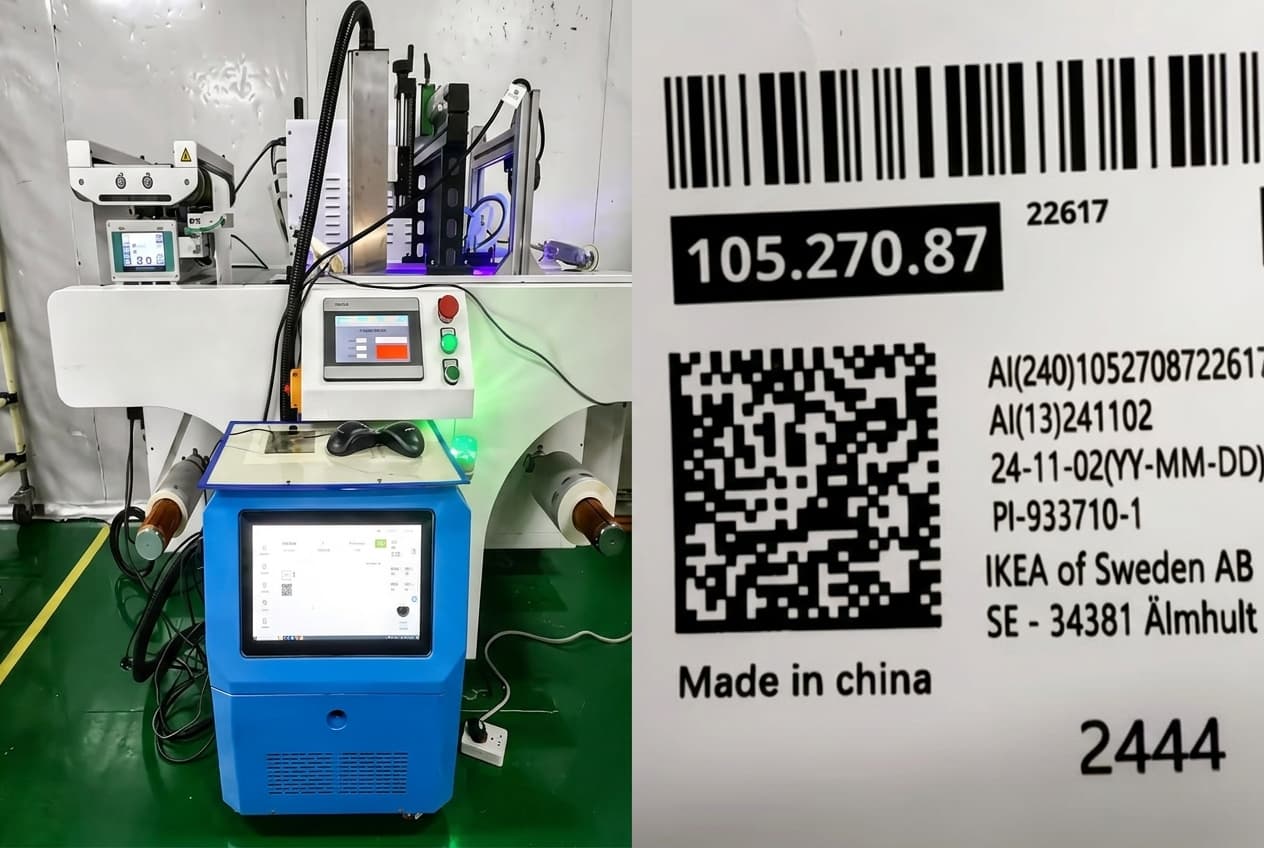
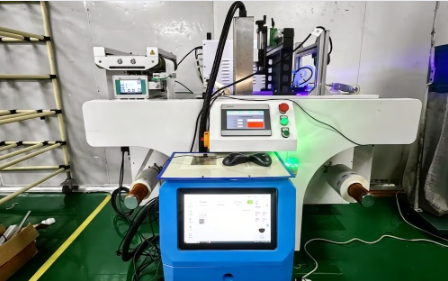
As shown in the installation photo, the A500 system is integrated into a high-speed rewinding machine. This setup is crucial for roll-to-roll label processing. The integration focuses on three key technical aspects:
Speed Synchronization: The A500’s controller communicates directly with the rewinder's encoder, ensuring the print timing is perfectly matched to the linear speed of the moving labels. This prevents distortion of the codes during acceleration or deceleration.
Tension Control: Stable material tension is essential for precise drop placement. The robust mounting bracket and integrated sensor system of the A500 maintain a steady distance (Throw Distance) between the printhead and the substrate.
Space Efficiency: The compact "blue cabinet" design of the A500 houses the ink supply system and control electronics, allowing it to fit into the tight footprint of the rewinding platform without obstructing the operator's workflow.
One of the standout features of this application is the use of UV-curable inks. After the A500 deposits the ink onto the IKEA label, the substrate passes under a high-intensity UV LED curing lamp.
Instant Drying: The ink cures in milliseconds, allowing the labels to be rewound immediately without smudging or "offsetting" (ink transferring to the back of the previous layer).
Universal Adhesion: Whether the labels are made of paper, PE, PP, or PET, the UV ink provides exceptional scratch resistance and chemical durability, ensuring the product codes survive the journey from the factory to the end-user.
The provided print sample clearly demonstrates the A500’s capability. The IKEA logo, the EAN-13 barcode, and the high-density DataMatrix code are all printed with deep black contrast against the white substrate.
Scan Success Rate: The customer reported a 100% first-pass scan rate during QC inspections, a critical metric for maintaining their supplier status with global retailers.
Variable Data Handling: The A500’s proprietary software effortlessly handled the dynamic data stream, including unique batch numbers and serializing "Made in China" identifiers without any latency or data drops.
By switching to the A500 PIJ system, the customer achieved a significant boost in productivity. Traditional methods, such as thermal transfer overprinting (TTO), often require frequent stops for ribbon changes. The A500’s continuous ink supply system and high-capacity ink tanks allow for hours of uninterrupted production. Furthermore, the high speed of the Ricoh G5 head (capable of matching line speeds up to 150m/min at high resolution) means the rewinder can run at its maximum mechanical capacity, drastically reducing the cost per label.
The integration of the A500 PIJ printer and Ricoh G5 technology on a rewinding platform represents the pinnacle of industrial label coding. For companies supplying highly regulated markets like IKEA, this system offers the perfect balance of print quality, operational speed, and long-term reliability. As the demand for smart packaging and individual product serialization grows, the A500 stands as a future-proof investment for the labeling industry.
Copyright © 2026 Suzhou OMA Printing Technology Co., Ltd. All rights reserved. — Privacy Policy

 EN
EN