Executive Summary In the modern packaging and logistics industry, the demand for clear, high-resolution, and large-format branding directly on secondary packaging is surging. This case study explores how our advanced Piezo Inkjet (PIJ) printing techn...
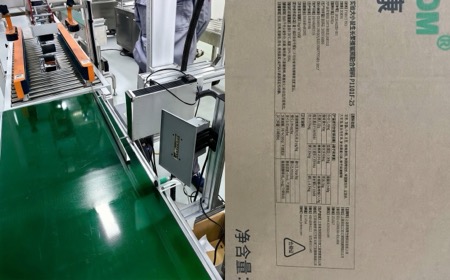
In the modern packaging and logistics industry, the demand for clear, high-resolution, and large-format branding directly on secondary packaging is surging. This case study explores how our advanced Piezo Inkjet (PIJ) printing technology revolutionized the carton coding process for a leading manufacturing client, replacing traditional labeling with a high-efficiency, cost-effective direct-to-carton solution.
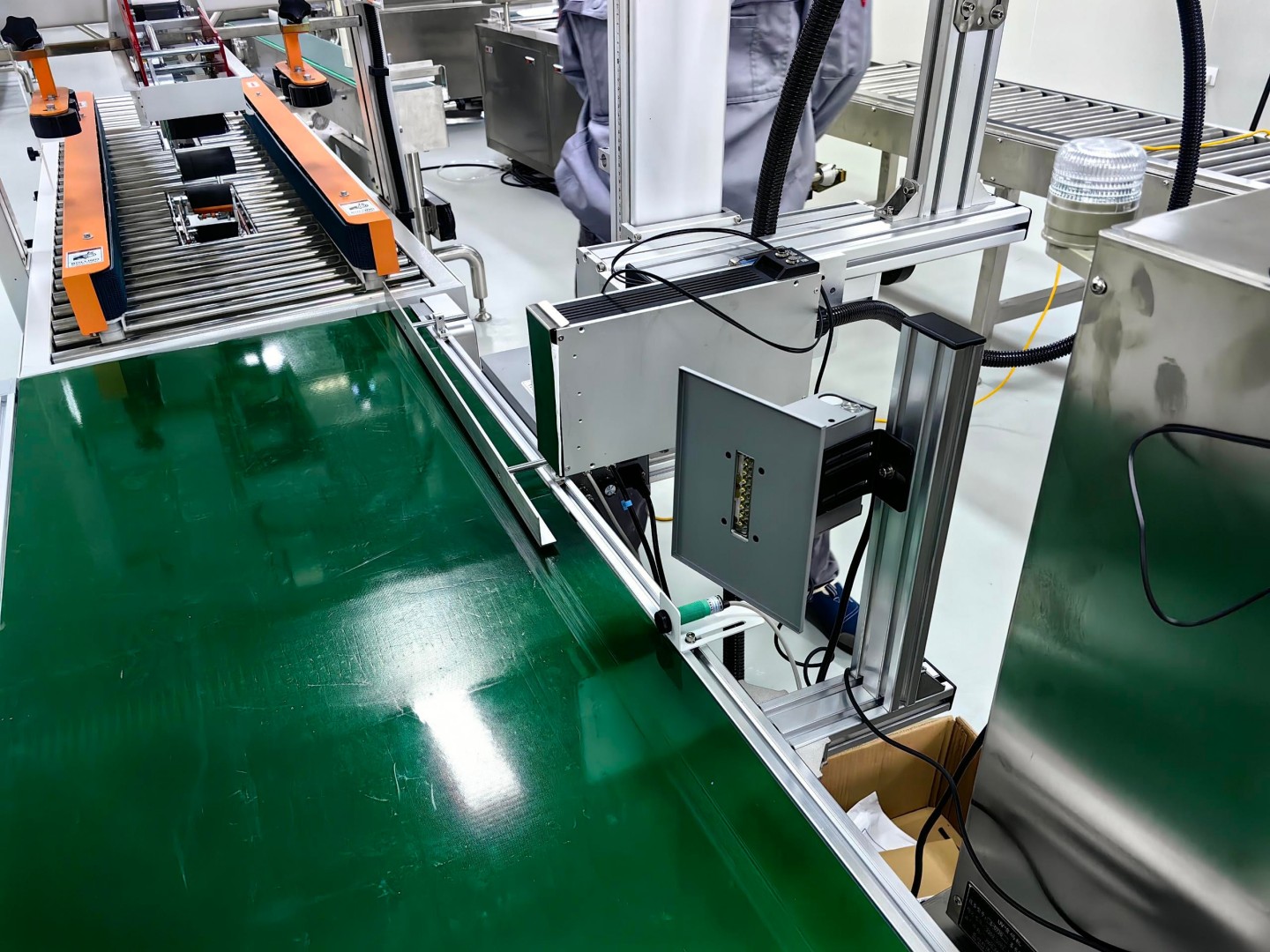
For decades, corrugated cartons have been the backbone of global shipping. Traditionally, companies relied on pre-printed boxes or adhesive labels to display product information, barcodes, and branding. However, these methods come with significant drawbacks: high inventory costs for pre-printed boxes and the labor-intensive process of manual labeling.
Enter PIJ (Piezo Inkjet) technology. Unlike traditional Thermal Inkjet (TIJ) or Continuous Inkjet (CIJ), PIJ offers a unique combination of high resolution, large print heights, and the ability to print on porous surfaces like cardboard with exceptional clarity.
Our client, a large-scale consumer goods producer, faced a specific bottleneck. They needed to print large-format information—including 1D and 2D barcodes, company logos, and detailed product specifications—across a print height exceeding 50mm.
Their existing systems were struggling with:
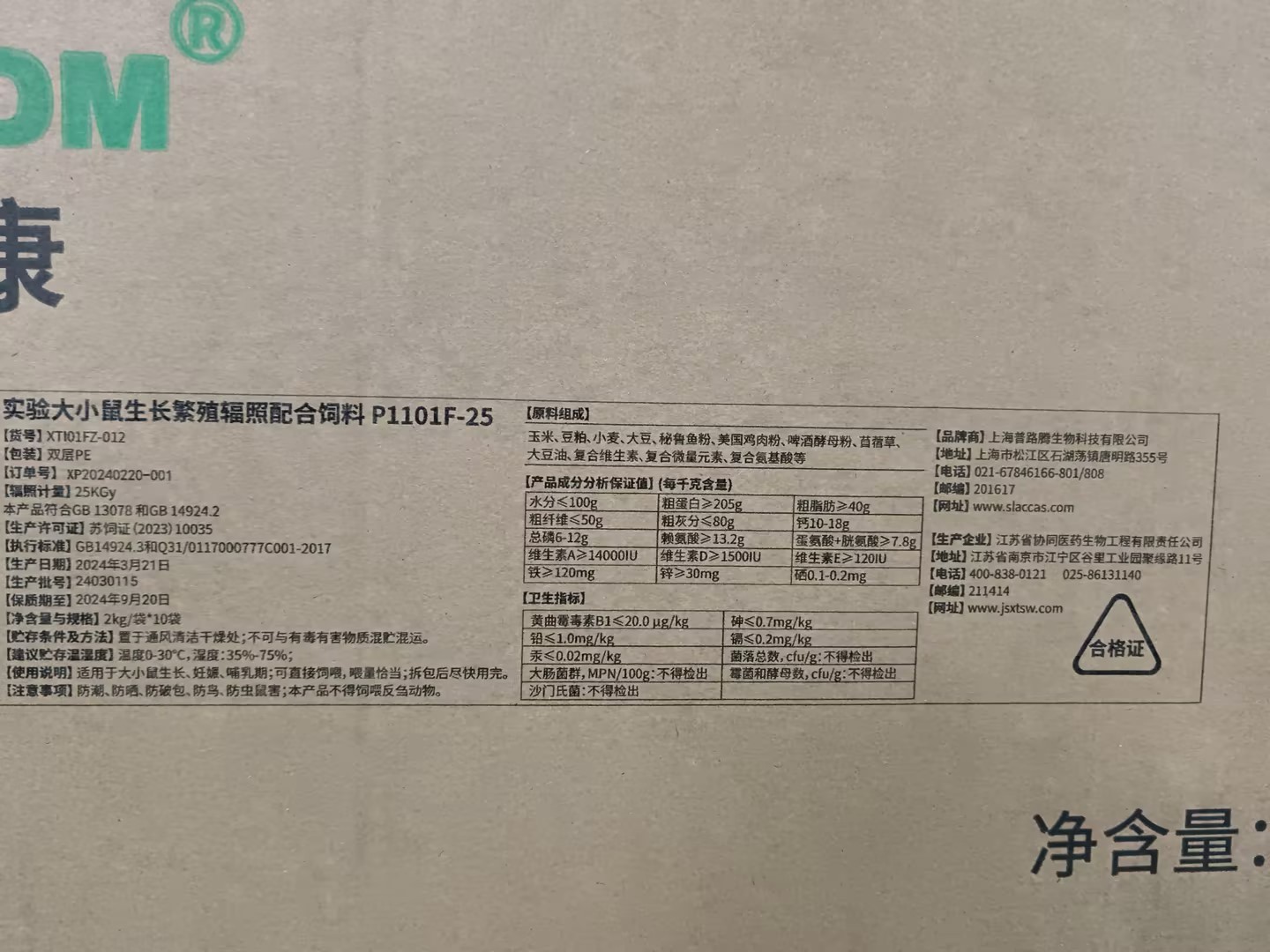
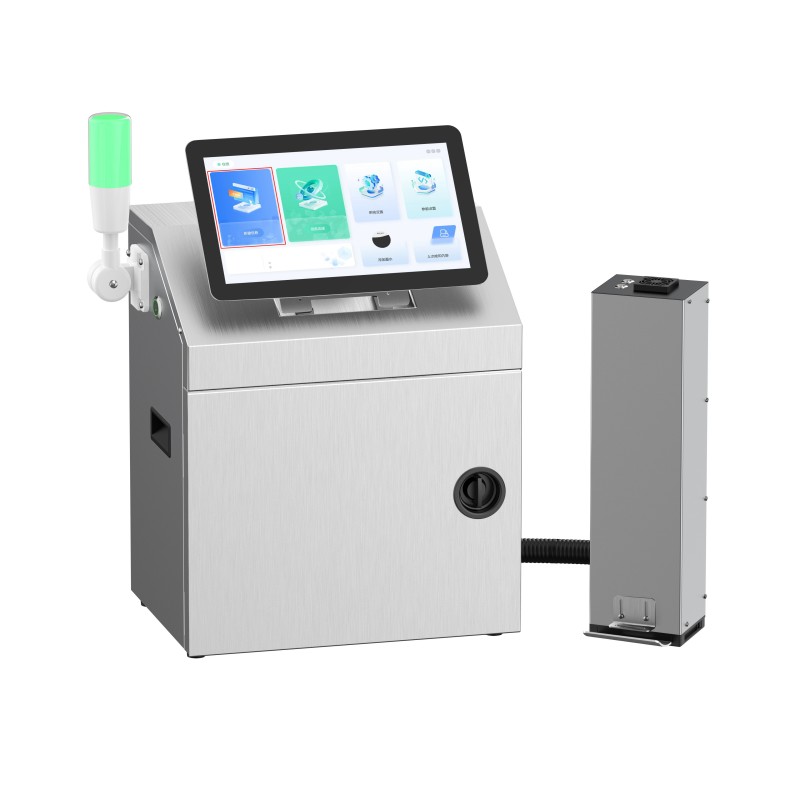
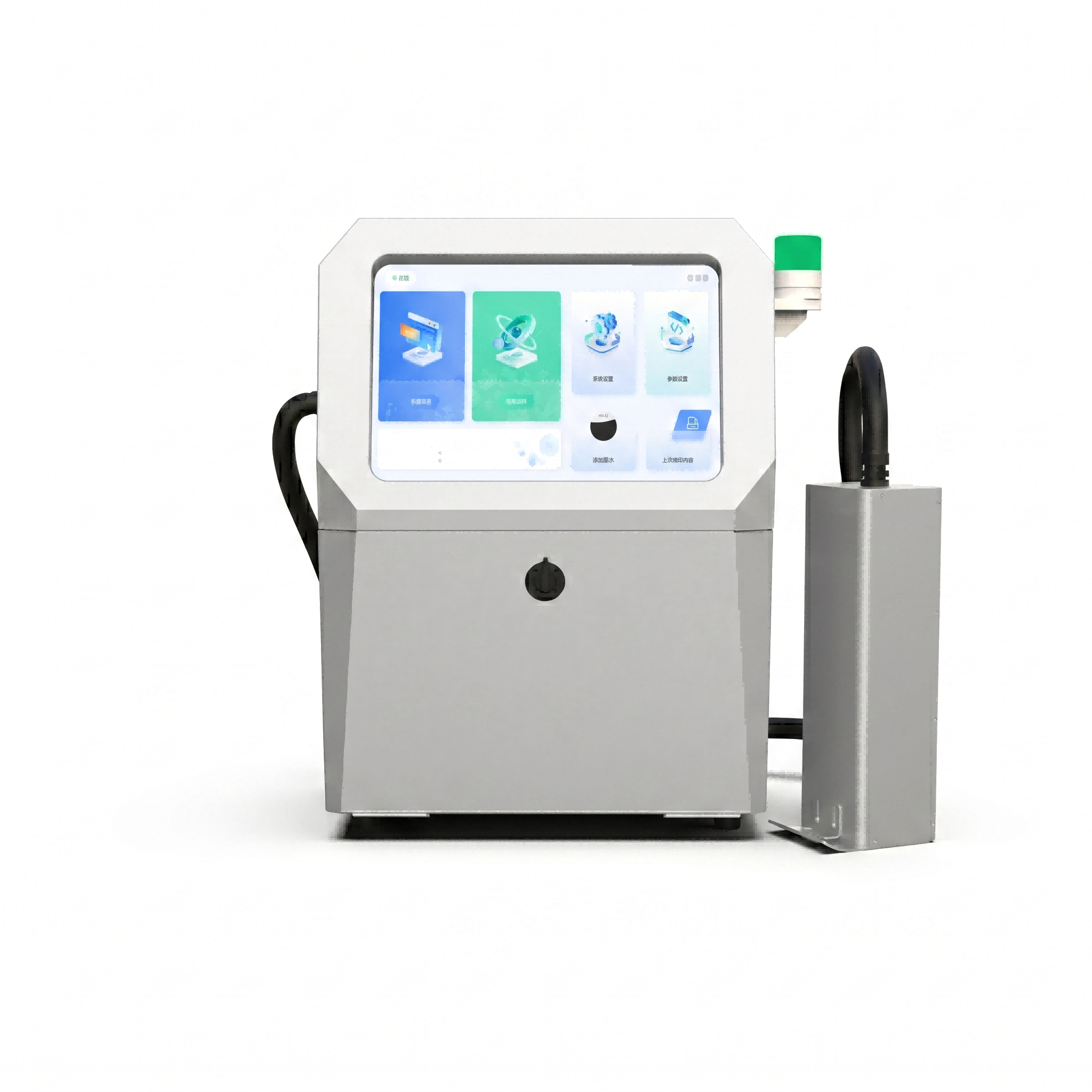
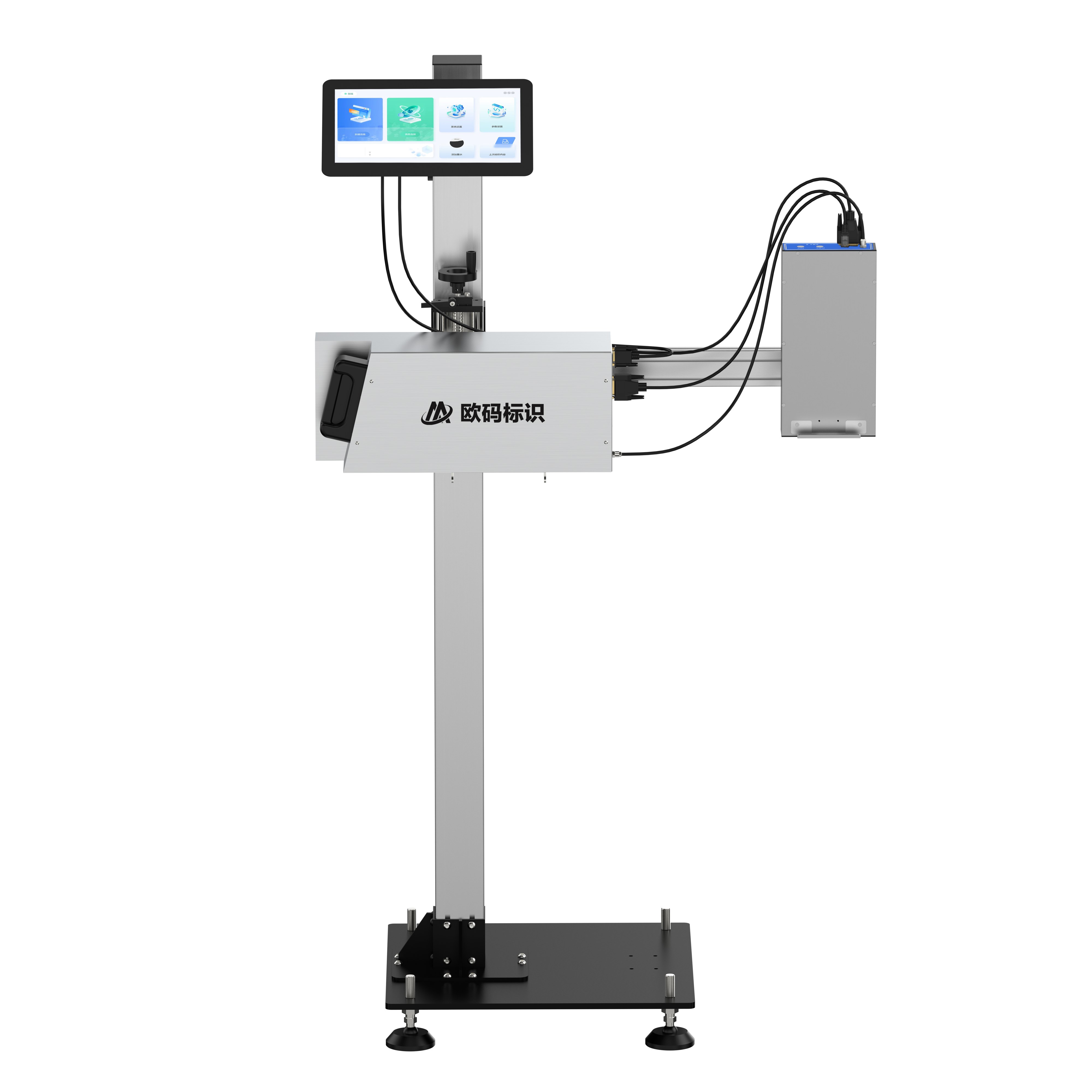
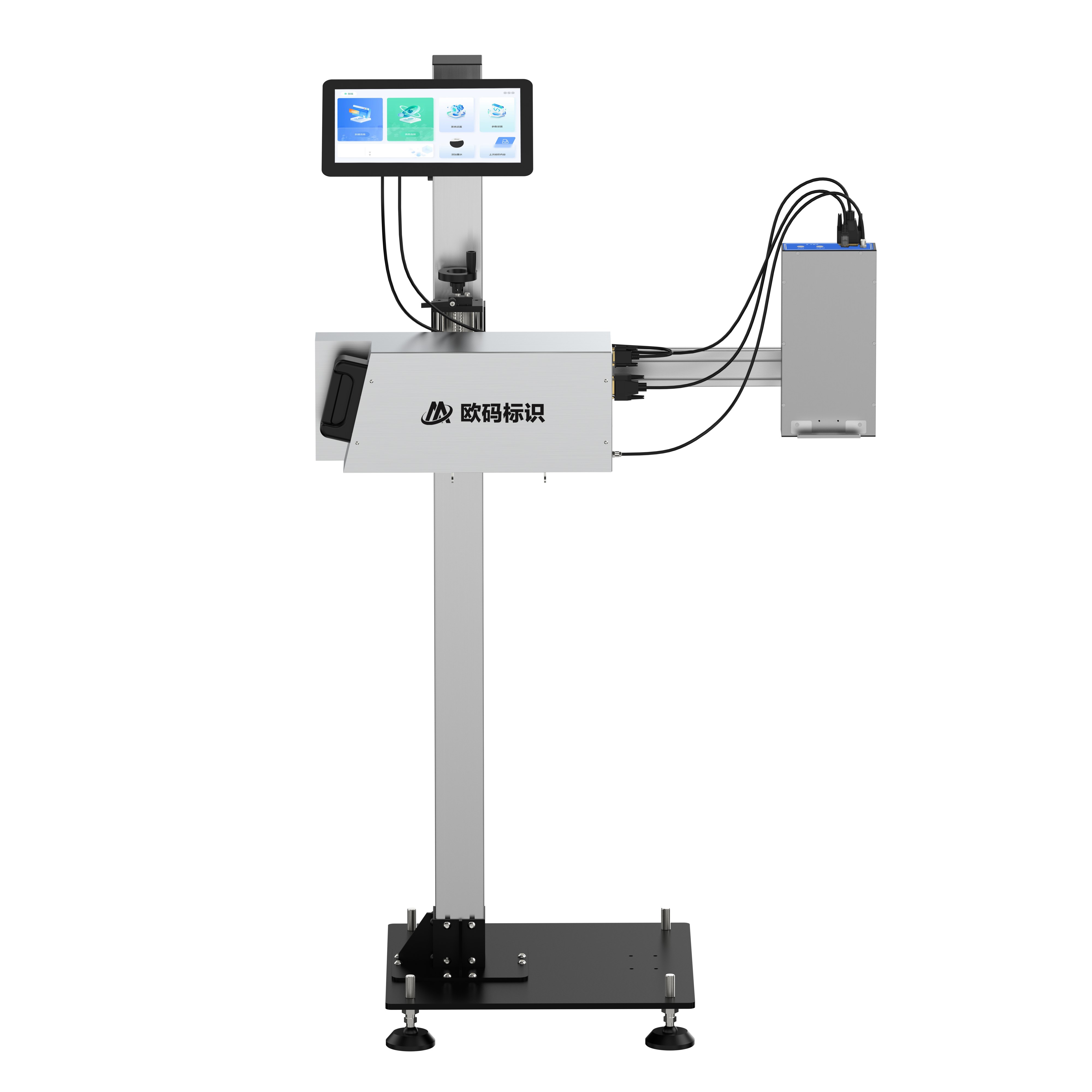
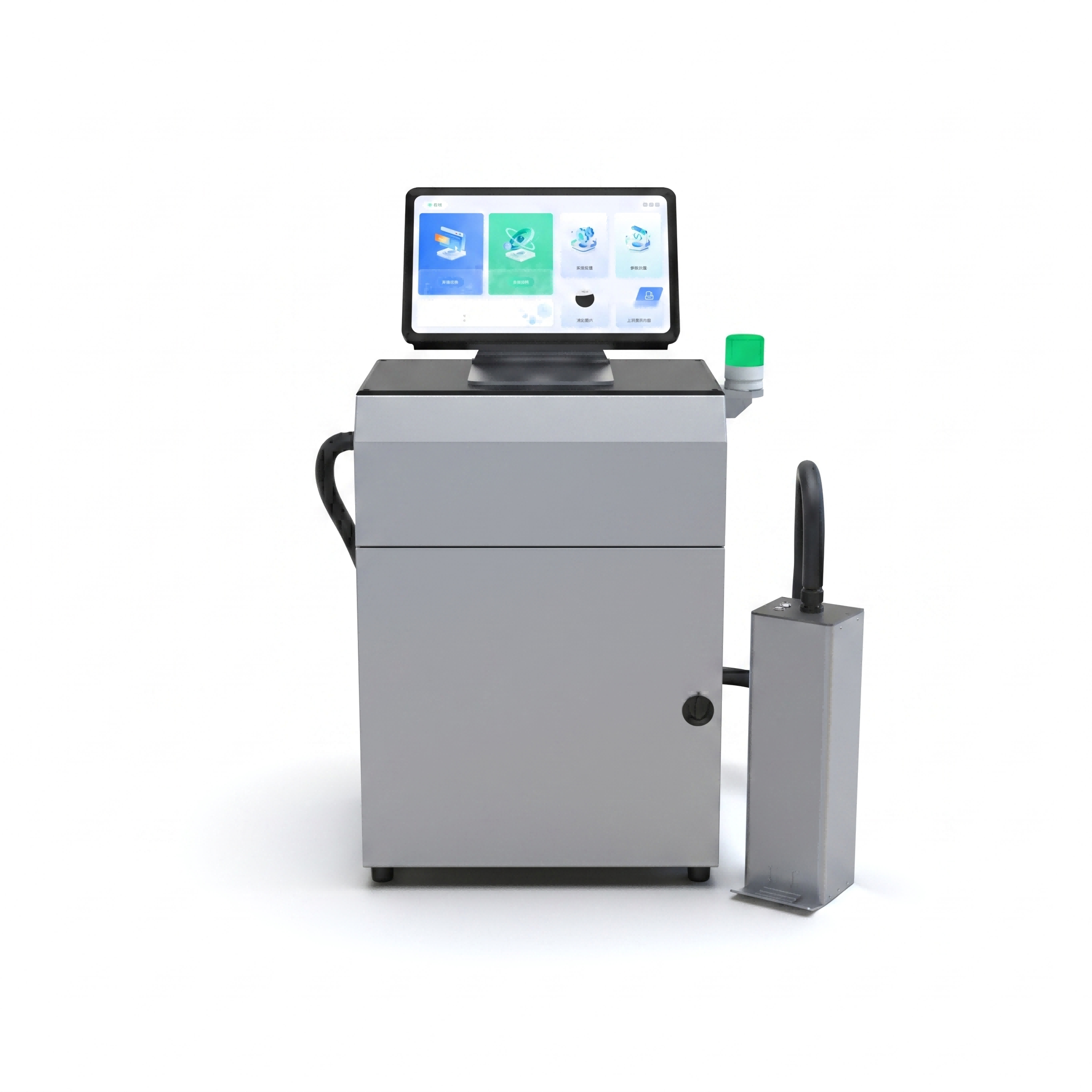
To meet these requirements, we implemented our High-Resolution PIJ Inkjet Series, specifically designed for large-character applications on porous substrates.
Technical Configuration:
Understanding why PIJ is superior for this application requires looking at the mechanics of the technology. Piezoelectric crystals deform when an electric charge is applied, physically pushing the ink out of the nozzle.
Advantages in Large Format Printing:
During the implementation, we focused on three core areas:
A. Branding and Logos
The client was able to print their corporate logo in high definition directly on the side of the box. This eliminated the need to stock different pre-printed boxes for various product lines, as the "branding" was now handled digitally at the point of packaging.
B. Barcode Readability (GS1 Standards)
For logistics, barcode grade is non-negotiable. Our PIJ system consistently produced Grade A and B barcodes (including GS1-128 and DataMatrix), ensuring that global distributors could scan the cartons without errors, reducing shipping delays.
C. Variable Information
From weight and dimensions to destination-specific regulatory marks, the PIJ printer handled complex variable data transitions at a speed of 60 meters per minute without any degradation in print quality.
The transition from labels to PIJ direct printing resulted in a measurable financial turnaround for the client.
One of the biggest concerns with carton printing is dust. Corrugated boxes naturally release paper fibers. Our system includes a specialized Automatic Purge and Wipe function and a protective shield for the printhead. This ensures that even in 24/7 operations, the nozzles remain clear and the print quality stays consistent.
This application case demonstrates that PIJ large-format printing is more than just a coding method; it is a strategic tool for operational efficiency. For companies looking to enhance their branding, reduce waste, and streamline their logistics, our PIJ solutions offer the precision of digital printing with the ruggedness required for the factory floor.
As we move toward "Industry 4.0," the ability to print high-definition, variable, and large-scale data directly on packaging will become the standard. Our technology is proud to be at the forefront of this transition.
Copyright © 2026 Suzhou OMA Printing Technology Co., Ltd. All rights reserved. — Privacy Policy

 EN
EN