EN
EN




Top 5 UV Laser Marking Machine Applications in Medical
The medical device industry demands extreme precision, reliability, and compliance with strict regulatory standards. A uv laser marking machine has become an essential tool for manufacturers seeking to meet these requirements while maintaining production efficiency. This technology enables permanent, high-contrast marking on delicate medical materials without thermal damage, making it ideal for applications where precision and material integrity are non-negotiable.
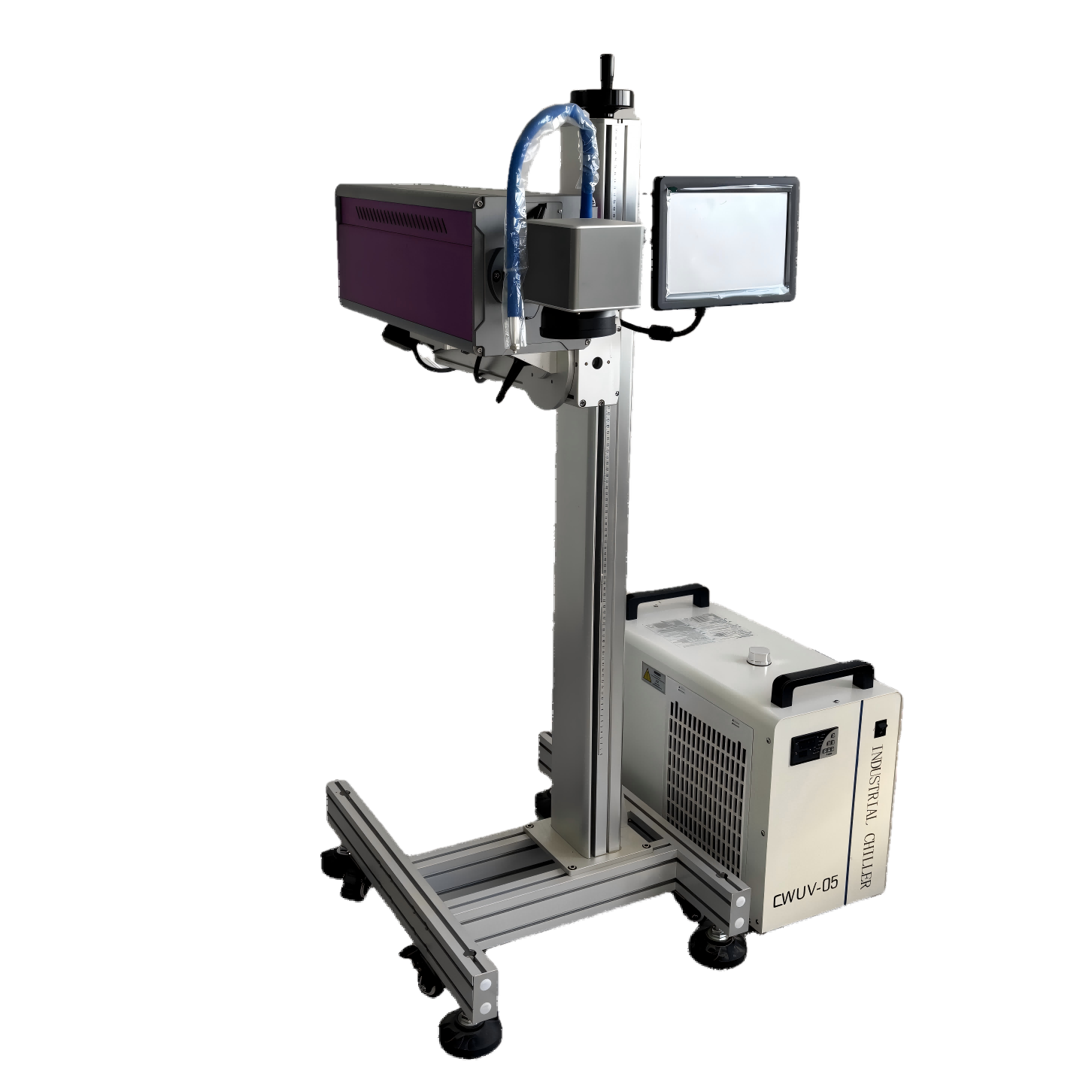
Medical device manufacturers face constant pressure to integrate traceability, regulatory compliance, and aesthetic quality into their production workflows. The UV laser marking machine addresses these challenges by delivering clean, readable marks on polymer-based and sensitive surfaces without compromising material properties. Understanding the top applications of this technology helps decision-makers select the right solution for their manufacturing needs and identify how a reliable supplier can enhance their operational capabilities.
Surgical Instrument Identification and Traceability
Serial Number and Batch Code Marking
Surgical instruments require permanent identification for traceability and liability purposes. The UV laser marking machine creates durable serial numbers and batch codes directly on instrument surfaces, ensuring that every piece can be tracked throughout its lifecycle. This capability is critical for recall management, sterility assurance, and regulatory compliance under standards such as ISO 13485. The non-contact nature of laser marking eliminates cross-contamination risks and maintains the precision required for delicate surgical tools.
Biocompatibility Preservation
Unlike traditional marking methods that can introduce surface defects or chemical residues, the uv laser marking machine operates without thermal stress or ink application. This feature is essential for instruments that contact sterile fields or patient tissue, as it eliminates concerns about material degradation or biocompatibility compromise. Manufacturers working with materials like titanium, stainless steel, and specialized polymers benefit from the ability to achieve permanent marks while maintaining material certification and safety profiles.
Diagnostic Equipment and Sensor Labeling
Precise Marking on Complex Geometries
Medical diagnostic equipment often features intricate shapes, curved surfaces, and embedded components that challenge traditional marking approaches. A uv laser marking machine delivers exceptional precision on these complex geometries, enabling clear labeling of sensor arrays, calibration markers, and component identifiers. This capability supports manufacturing quality control, field service operations, and customer support by ensuring that critical information remains visible and legible throughout the device lifecycle. Finding a qualified supplier with expertise in medical applications ensures proper system configuration for these specialized marking scenarios.
QR Code and Data Matrix Implementation
Modern medical devices require encoded identification systems for electronic health records and automated inventory management. The UV laser marking machine produces high-contrast two-dimensional codes with the resolution necessary for reliable scanning and data capture. These codes can encode patient data, device specifications, and manufacturing information without requiring adhesive labels that may degrade during sterilization or clinical use. The permanence of laser-marked codes reduces maintenance overhead and supports long-term device authentication.
Implantable Device Surface Enhancement
Marking Biocompatible Polymer Implants
Implantable devices manufactured from polymers, silicone, and composite materials demand marking methods that preserve material integrity and biocompatibility. The uv laser marking machine achieves permanent marks on these sensitive substrates without introducing thermal stress, chemical residue, or surface degradation. This capability is particularly valuable for orthopedic implants, cardiovascular devices, and soft tissue scaffolds where biocompatibility certification is mandatory. Selecting the right supplier ensures the equipment meets pharmaceutical-grade cleanliness and traceability requirements specific to implantable device manufacturing.
Patient Safety and Revision Identification
Implanted medical devices must carry information critical for patient safety, surgical revision, and emergency medical intervention. The UV laser marking machine enables clear marking of device type, implant size, material composition, and manufacturer identification directly on the implant surface. This information remains legible throughout the implant's operational life, supporting physician decision-making during revision procedures and enabling rapid identification during imaging or emergency situations. The durability of laser marks significantly exceeds adhesive labels or engraved text that may corrode in physiological environments.
Packaging and Secondary Labeling Compliance
Expiration Date and Regulatory Marking
Medical device packaging must display expiration dates, regulatory symbols, and compliance information that survives storage, transportation, and handling. The uv laser marking machine delivers permanent, high-contrast marking on cardboard, plastic, and composite packaging materials used in medical supply chains. This capability ensures that regulatory requirements under FDA, CE, and international standards remain visible and unambiguous throughout product lifecycle management. The precision of laser marking supports rapid product identification in high-volume distribution environments while eliminating label adhesion failures.
Anti-Counterfeiting Features
The medical device supply chain faces ongoing counterfeiting risks that threaten patient safety and brand integrity. The uv laser marking machine enables integration of security features such as microtext, hidden patterns, and machine-readable authentication codes that resist tampering and duplication. These advanced marking capabilities support anti-counterfeiting programs and supply chain verification initiatives. A knowledgeable supplier can recommend specifications and mark patterns that maximize security effectiveness while maintaining compliance with industry labeling standards.
FAQ
What materials can be marked using a UV laser marking machine in medical applications?
The uv laser marking machine effectively marks polymers, silicones, ceramics, coated metals, and composite materials commonly used in medical devices. The ultraviolet wavelength allows precise ablation of surface layers without thermal damage, making it suitable for heat-sensitive biocompatible materials. Polymer-based devices, diagnostic equipment housings, and implant components all benefit from UV laser marking capability. Always consult with your equipment supplier to confirm material compatibility for your specific medical device application.
How does UV laser marking support regulatory compliance in medical manufacturing?
The uv laser marking machine creates permanent, tamper-proof marks that satisfy traceability and identification requirements under FDA, ISO 13485, and international medical device regulations. Permanent laser marks eliminate label degradation concerns during sterilization, storage, and clinical use. The system produces detailed documentation of marking parameters, enabling manufacturers to maintain compliance records and support regulatory audits. Selecting a supplier experienced in medical manufacturing ensures your marking system meets pharmaceutical-grade documentation and quality standards.
What is the cost-benefit analysis of implementing UV laser marking in medical device manufacturing?
While initial equipment investment is higher than traditional marking methods, the uv laser marking machine reduces operational costs through elimination of consumable labels, reduced marking errors, and minimized product rework. The permanent marks decrease liability exposure from traceability failures and support faster field service operations. Long-term cost benefits include improved inventory management, reduced sterilization-related marking failures, and enhanced supply chain security. A supplier offering flexible financing or lease options can help medical manufacturers optimize capital allocation while accessing cutting-edge marking technology.