EN
EN



UV Laser Marking Machine Buying Guide for Electronics
Selecting the right uv laser marking machine is critical for electronics manufacturers seeking precision, durability, and cost efficiency. UV laser marking technology has become the industry standard for marking sensitive components without thermal damage, making it essential to understand your options before making a purchasing decision. This guide walks you through the key factors that influence your choice, from technical specifications to supplier relationships.
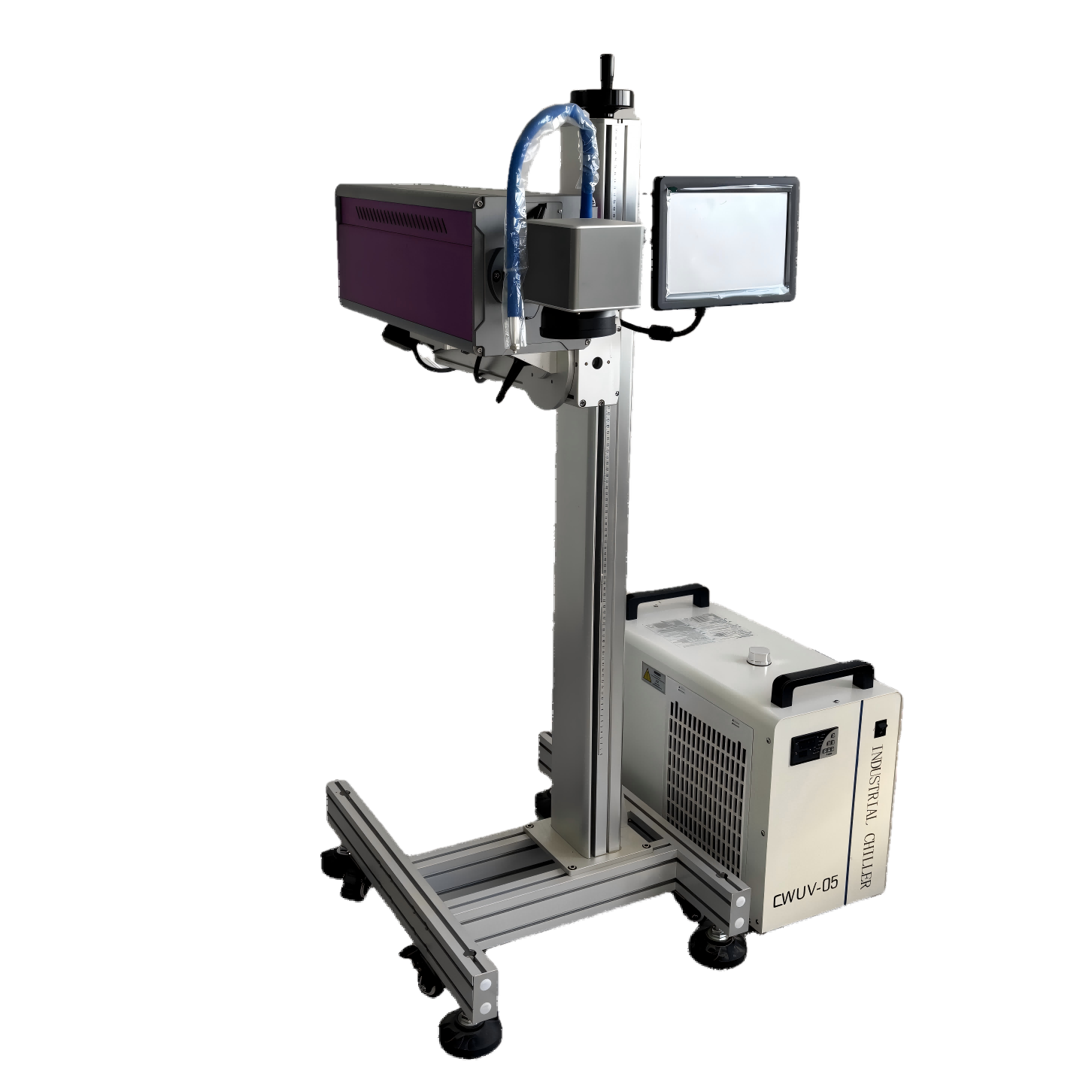
The electronics industry demands marking solutions that deliver consistent results on diverse materials—from circuit boards to semiconductor packages. A uv laser marking machine excels in these applications because ultraviolet wavelengths enable micro-level precision with minimal substrate disruption. Understanding the nuances of UV laser technology, system architecture, and supplier capabilities will help you invest wisely and avoid costly mistakes down the line.
Understanding UV Laser Marking Technology
How UV Lasers Differ from Other Marking Systems
UV laser marking machines operate at shorter wavelengths than CO2 or fiber laser systems, typically around 355 nanometers. This wavelength is absorbed more efficiently by organic materials and many polymers, creating clean marks without excessive heat transfer. For electronics manufacturers, this means marking fine details on delicate circuit boards, plastic connectors, and coated components without risk of damage or discoloration. The precision achievable with a uv laser marking machine makes it the preferred choice across semiconductor, PCB assembly, and consumer electronics production.
Material Compatibility and Performance
One critical advantage of UV laser marking technology is its versatility across material types. Electronics components often combine metals, plastics, and coatings in a single assembly, requiring a marking system capable of switching between substrates without significant parameter adjustments. A quality uv laser marking machine handles anodized aluminum, gold plating, silicones, epoxy resins, and high-density polyethylene with equal competence. This broad material compatibility reduces the need for multiple marking systems, streamlining your production environment and reducing capital expenditure.
Key Specifications and Selection Criteria
Power Output and Marking Speed
UV laser marking machines typically range from 3W to 10W power output for most electronics applications. Higher wattage delivers faster marking speeds and deeper engraving, directly impacting your production throughput. When evaluating models, compare not only the laser power but also the galvanometer scanning speed, measured in inches per second. A uv laser marking machine with 5W power coupled with high-speed galvo mirrors may outperform a 10W system with slower optics. Your supplier should provide detailed specifications including actual throughput benchmarks for your specific parts, not just theoretical maximums.
Precision, Beam Quality, and System Stability
Electronics manufacturers cannot tolerate marking errors or inconsistency. Beam quality affects spot size, line resolution, and mark repeatability across thousands of parts. Look for a uv laser marking machine with beam quality specifications that support your minimum feature size requirements—often in the 10 to 50 micrometer range for electronics. Thermal stability is equally important; systems with active temperature control and frequent calibration intervals ensure consistent output across your production shift. Ask your supplier about mean time between calibrations and thermal drift specifications.
Evaluating Supplier Capabilities and Support
Technical Support and System Integration
Choosing a reliable supplier for your uv laser marking machine is as important as selecting the equipment itself. Your supplier should offer comprehensive technical support, including pre-sale consultation to match system specifications to your unique requirements. Post-sale support must include installation, operator training, preventative maintenance schedules, and rapid response for troubleshooting. Integration with your existing production workflow, MES systems, or quality tracking software requires supplier expertise. Evaluate whether your supplier has experience with your specific component types and can provide reference customers for validation.
Warranty, Spare Parts, and Long-Term Partnership
A trustworthy supplier backs their uv laser marking machine with comprehensive warranty coverage, typically spanning 12 to 24 months for the laser tube and 12 months for supporting optics and electronics. Beyond warranty, inquire about spare parts availability and pricing for consumables like galvo mirrors, protective windows, and focus lenses. Supply chain reliability matters; your supplier should maintain reasonable inventory of common replacement components to minimize downtime. Long-term partnership with your supplier ensures you receive firmware updates, access to application notes, and prioritized support as your production needs evolve.
Implementation and Operational Considerations
Software, Workflow Integration, and User Experience
The control software for your uv laser marking machine directly impacts operator efficiency and marking consistency. Evaluate whether the software supports your design file formats, offers intuitive parameter adjustment, and allows rapid job changeover. Integration with barcode systems, serialization databases, or traceability platforms reduces manual data entry and human error. Your supplier should provide comprehensive training and documentation; operators must understand how to adjust for different material types, thicknesses, and surface finishes. Ask whether your supplier offers cloud-based job management or remote troubleshooting capabilities—modern platforms enable faster problem resolution.
Footprint, Environmental Requirements, and Total Cost of Ownership
A uv laser marking machine requires proper environmental conditions to maintain performance. Most systems operate optimally between 15°C and 30°C, necessitating climate-controlled facilities. Space requirements vary by model, but flying optics systems typically occupy less real estate than gantry configurations. Consider power consumption, electrical infrastructure modifications, and cooling system needs when budgeting for installation. Total cost of ownership extends beyond purchase price to include consumables, maintenance labor, software licensing, and operator training. Your supplier should provide transparent pricing for all ongoing operational expenses, enabling accurate ROI calculations.
FAQ
What materials can a UV laser marking machine mark effectively?
A uv laser marking machine handles metals, plastics, ceramics, glass, and composite materials commonly found in electronics assembly. It excels on anodized aluminum, circuit board substrates, plastic housings, and semiconductor packages. UV wavelengths are particularly effective on organic materials and polymers where CO2 or fiber lasers would cause thermal damage. Your supplier can provide material compatibility testing to confirm suitability for your specific component library.
How do I choose between different UV laser power levels?
UV laser marking machine power selection depends on your marking depth requirements, material types, and production speed targets. Most electronics applications use 3W to 5W systems for fine detail marking at high speed. Deeper engraving or marking on thick substrates may require 10W power. Your supplier should conduct trial runs using your actual components to recommend the optimal power level, ensuring you invest in capacity that matches your true operational needs without overpaying for unnecessary power.
What should I expect from a supplier in terms of technical support?
A reputable supplier provides pre-sale system consulting, on-site installation and training, preventative maintenance guidance, and responsive technical support. Your supplier should offer troubleshooting assistance via phone or remote connection and maintain spare parts inventory for your uv laser marking machine. Regular maintenance training ensures your team can perform routine tasks, extending system life. Look for suppliers offering annual system audits, performance benchmarking, and upgrade paths as your production requirements grow.