EN



Top 5 Small Character Inkjet Printer Features for Pharma
The pharmaceutical industry demands precision, reliability, and regulatory compliance in every production step. One critical component often overlooked is the small character inkjet printer, which marks expiration dates, batch numbers, and product identification on containers and packaging. Understanding the essential features of a small character inkjet printer ensures your facility meets industry standards while maintaining operational efficiency and product traceability.
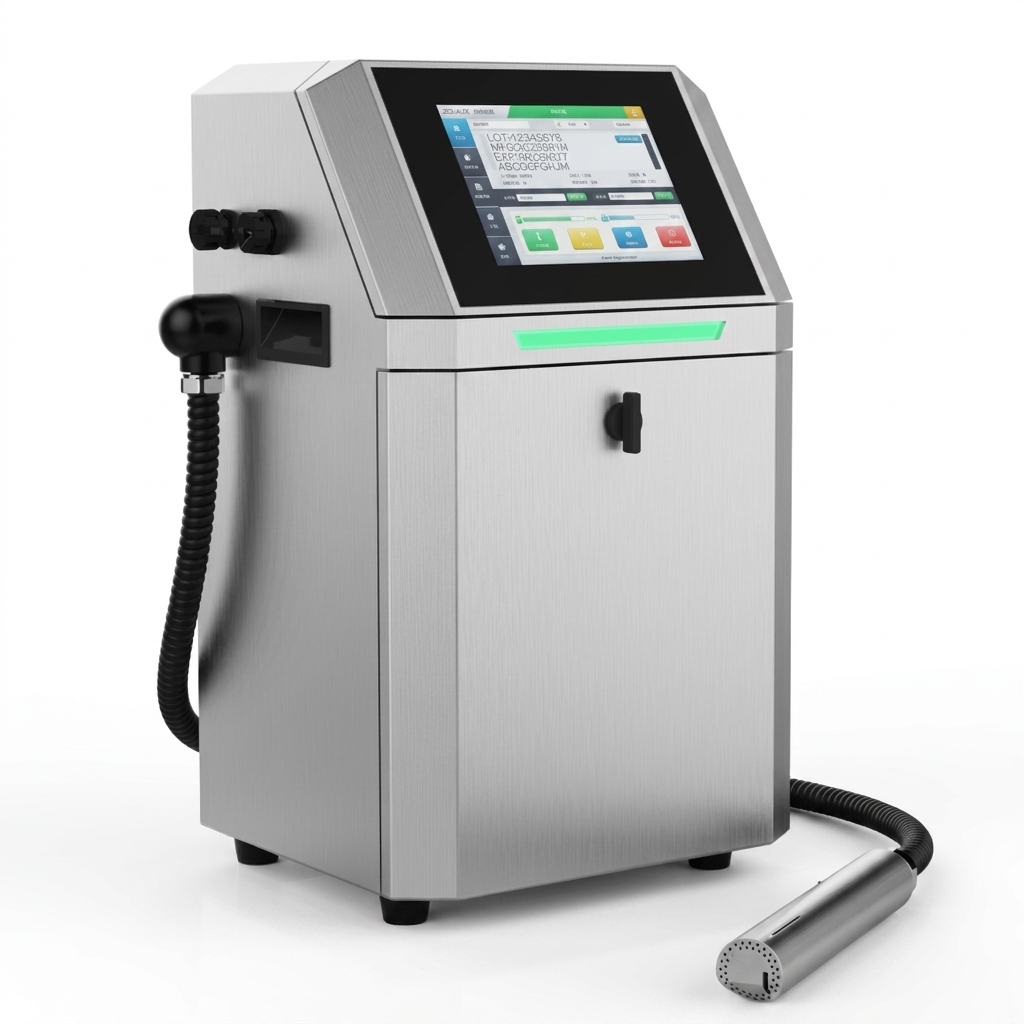
Selecting the right equipment supplier requires knowledge of core features that impact print quality, longevity, and compliance. Pharmaceutical manufacturers must evaluate multiple technical specifications to ensure their marking solution performs reliably throughout production runs. This guide explores the top five features that define a superior small character inkjet printer for pharmaceutical applications, helping you make an informed decision aligned with your operational needs.
High Print Resolution and Clarity
Defining Print Quality Standards
A small character inkjet printer must deliver sharp, legible characters that remain readable throughout the product lifecycle. Pharmaceutical regulators and end consumers depend on clear date codes, batch numbers, and safety information. Print resolution directly impacts whether markings survive handling, moisture exposure, and environmental stress. Higher dot counts, typically ranging from 16 to 32 dots per character, create cleaner edges and more defined letterforms. This feature becomes especially critical when marking small surfaces like individual tablets, vials, or compact packaging where space constraints demand maximum clarity in minimal area.
Impact on Regulatory Compliance
Regulatory bodies including the FDA require that all product markings remain legible and accurate. A small character inkjet printer with superior resolution ensures compliance with traceability requirements and good manufacturing practices. Your supplier should provide specifications demonstrating resolution capabilities and comparative testing data. When evaluating potential suppliers, request sample prints on materials similar to your packaging to verify real-world performance. Clear markings reduce product recalls, customer complaints, and regulatory scrutiny, making print quality a non-negotiable investment.
Chemical Resistance and Ink Compatibility
Understanding Pharmaceutical Material Challenges
Pharmaceutical packaging materials range from glossy plastic vials to coated cardboard boxes, each requiring compatible inks for optimal adhesion and durability. A small character inkjet printer must accommodate various ink formulations including solvent-based, UV-curable, and water-based options. The wrong ink selection can result in smudging, fading, or incomplete adhesion, compromising product identification and traceability. Superior suppliers offer extensive ink portfolios tested across common pharmaceutical substrates. Chemical resistance ensures markings withstand exposure to alcohol, moisture, temperature fluctuations, and the mechanical stresses of product handling and shipping.
Long-Term Performance Assurance
Pharmaceutical products often remain in circulation for extended periods, meaning marked information must remain legible from manufacturing through end-user consumption. A small character inkjet printer with proven chemical resistance prevents marking degradation over months or years. Ask your supplier for accelerated aging studies and real-world case studies demonstrating ink performance on specific materials relevant to your production. Products that fade or smudge create compliance risks and damage brand reputation. Investing in compatible inks and proven supplier relationships ensures consistent performance throughout your product shelf life.
Ease of Maintenance and Integration
Reducing Downtime and Operational Disruption
Manufacturing facilities cannot tolerate frequent equipment failures or complex maintenance procedures. A small character inkjet printer should feature user-friendly maintenance protocols, readily available replacement parts, and intuitive operation interfaces. Pharmaceutical production lines operate on tight schedules, and every minute of downtime impacts output capacity and shipment deadlines. Superior designs incorporate self-cleaning cycles, accessible cartridge bays, and clear diagnostic indicators. When selecting a supplier, inquire about mean time between failures, average repair duration, and availability of on-site support services. Integration with existing production line controls ensures seamless operation without requiring significant workflow modifications.
Supplier Support and Technical Responsiveness
The quality of your supplier extends far beyond initial equipment specifications. A reliable supplier provides rapid technical support, maintains adequate spare parts inventory, and offers comprehensive training for your operations team. When production issues arise, response time becomes critical to minimize financial losses and maintain schedule compliance. Establish clear service level agreements with your supplier outlining response times, troubleshooting procedures, and escalation paths. Companies that stand behind their products offer extended warranties, preventive maintenance programs, and dedicated account management. This partnership approach transforms equipment maintenance from a burden into a managed operational component.
Flexibility in Marking Capabilities
Adapting to Diverse Pharmaceutical Requirements
Pharmaceutical manufacturers often mark multiple products with varying text requirements, character sizes, and content complexity. A small character inkjet printer should accommodate flexible message programming, variable data printing, and rapid format changes without extensive reconfiguration. Whether marking expiration dates, batch codes, lot numbers, or promotional text, the system must switch between formats efficiently. Advanced software interfaces allow operators to modify marking content on demand, reducing setup time and minimizing errors. Your supplier should demonstrate flexibility in accommodating your specific marking requirements and provide intuitive programming tools suitable for your team's technical level.
Future-Proofing Your Investment
Regulatory requirements and product lines evolve over time, requiring marking systems capable of adaptation. A small character inkjet printer with expandable capabilities protects your investment and accommodates future growth. Consider whether your supplier offers modular upgrades, enhanced software features, or extended marking capabilities. Systems designed with scalability in mind prevent premature equipment obsolescence and reduce long-term total cost of ownership. When evaluating suppliers, discuss their product roadmap and commitment to supporting legacy systems with continued software updates and technical advancement.
FAQ
What makes a small character inkjet printer suitable for pharmaceutical applications?
A small character inkjet printer suitable for pharmaceutical use must deliver high-resolution markings that remain legible and compliant with regulatory standards throughout product distribution. The system must accommodate pharmaceutical-specific inks, resist chemical exposure, integrate seamlessly with production lines, and offer reliable performance with minimal maintenance requirements. Additionally, the equipment must support flexible marking capabilities to accommodate diverse product lines and evolving regulatory requirements. A qualified supplier should provide comprehensive documentation, regulatory compliance support, and dedicated technical assistance.
How do I select the right supplier for a small character inkjet printer?
Selecting the right supplier involves evaluating technical specifications, requesting sample performance data, reviewing customer references in the pharmaceutical industry, and assessing support capabilities. A reliable supplier should provide detailed product documentation, demonstrate compliance with industry standards, offer competitive service agreements, and maintain prompt technical responsiveness. Establish clear communication channels and discuss your specific marking requirements, production volume expectations, and long-term operational needs. Compare multiple suppliers based on equipment quality, support responsiveness, parts availability, and total cost of ownership rather than focusing solely on initial purchase price.
What maintenance schedule should I follow for a small character inkjet printer?
Maintenance schedules vary by equipment model and usage intensity, so consult your supplier's specific recommendations and operator manuals. Generally, routine maintenance includes regular head cleaning cycles, cartridge replacement as ink depletes, printhead inspection for clogs or damage, and verification of marking quality samples. Document all maintenance activities and monitor equipment performance metrics to identify potential issues early. Establish preventive maintenance protocols in partnership with your supplier, including periodic professional inspections and calibration services. Proactive maintenance extends equipment lifespan, prevents unexpected failures, and ensures consistent print quality throughout your pharmaceutical production.