EN
EN




UV Laser Marking Machine Review: Cold Marking Benefits
The uv laser marking machine represents a transformational approach to industrial marking for temperature-sensitive materials. Unlike traditional thermal marking systems, a uv laser marking machine uses ultraviolet light to engrave surfaces without generating substantial heat, making it ideal for applications where material integrity must be preserved. This technology has become increasingly critical across industries processing plastics, pharmaceuticals, electronics, and medical devices where thermal damage poses significant operational and regulatory risks.
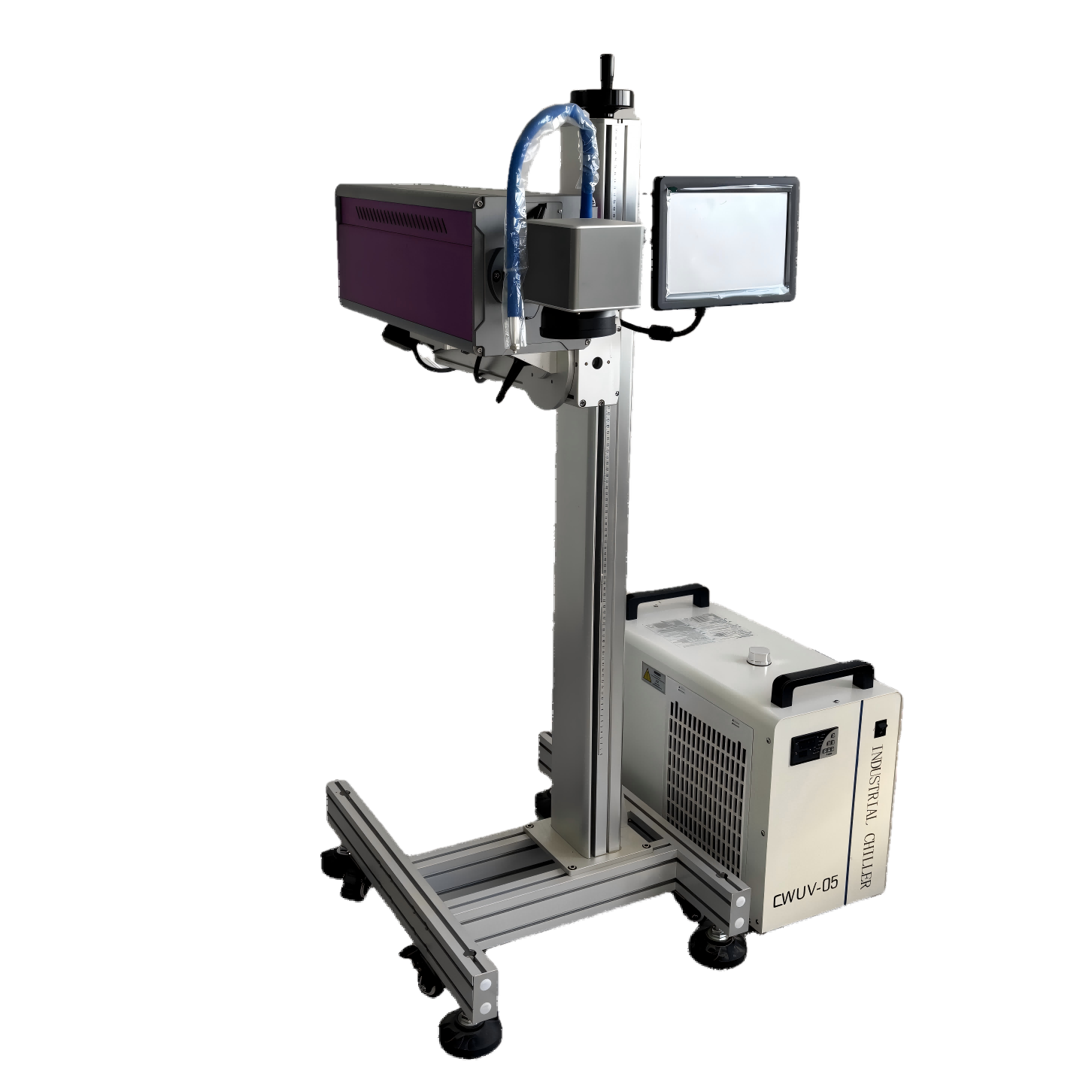
Cold marking through a uv laser marking machine works by breaking molecular bonds at the material surface using focused ultraviolet radiation rather than heat. This cold marking process generates minimal collateral thermal energy, allowing the uv laser marking machine to mark delicate substrates without causing warping, discoloration, or structural weakness. Organizations increasingly adopt cold marking systems because they expand material compatibility, improve mark quality, and eliminate downstream finishing processes that thermal marking systems often require.
Understanding Cold Marking Technology and Thermal Protection
How Cold Marking Preserves Material Properties
The uv laser marking machine achieves cold marking by directing high-frequency ultraviolet photons onto target surfaces, causing photochemical decomposition rather than photothermal ablation. This uv laser marking machine mechanism contrasts sharply with CO2 and fiber laser systems that rely on heat generation to vaporize or melt material. Cold marking with a uv laser marking machine keeps substrate temperatures near ambient levels, preventing thermal stress that typically causes material degradation, brittleness, or color shifts in sensitive polymers and composites.
For HDPE, PVC, and other thermoplastic materials, cold marking delivered by a uv laser marking machine eliminates the risk of melting edges or creating weak zones around marked areas. The uv laser marking machine produces clean, precise marks with minimal char or residue because the photochemical process ablates only the targeted material layer. This cold marking capability makes the uv laser marking machine especially valuable in medical device manufacturing, where material integrity directly affects product safety and regulatory compliance.
Thermal Energy Reduction and Operational Benefits
A uv laser marking machine generates significantly less collateral thermal energy than conventional marking systems, reducing cooling requirements and cycle time variability. The uv laser marking machine's cold marking output means operators can mark continuous material streams without inducing thermal stress-related defects or requiring material dwell time between passes. This uv laser marking machine efficiency directly translates to higher throughput, reduced waste, and lower energy consumption compared to thermal marking alternatives that demand extended cooling intervals or secondary finishing operations.
Industrial Applications Where Cold Marking Excels
Medical Device and Pharmaceutical Packaging
The uv laser marking machine serves pharmaceutical and medical device manufacturers because cold marking preserves package sterility, material barrier properties, and label legibility. When a uv laser marking machine marks bottle caps, syringes, or blister packs, the cold marking process prevents heat-induced material degradation that could compromise sterilization validation or package integrity. The uv laser marking machine's precise cold marking capability enables clear lot codes, expiration dates, and regulatory identifiers without thermal damage that thermal systems introduce to heat-sensitive polymers.
Electronics and Precision Component Marking
Electronics manufacturers rely on uv laser marking machine technology because cold marking protects circuit components, connectors, and enclosures from thermal stress that could affect functionality or reliability. The uv laser marking machine creates durable identification marks on printed circuit boards, polymer connectors, and protective covers without introducing thermal artifacts or micro-cracks. A uv laser marking machine's cold marking precision is essential for traceability in automotive, aerospace, and telecommunications applications where component reliability depends on material integrity throughout service life.
Specialty Material Processing
Beyond plastics, the uv laser marking machine excels at marking composites, ceramics, glass, and certain metallic coatings where cold marking prevents surface damage or material degradation. The uv laser marking machine's cold marking approach works effectively on anodized aluminum, powder-coated surfaces, and composite laminates without thermal distortion. Industries processing specialty materials increasingly specify uv laser marking machine systems because cold marking maintains material specifications while delivering permanent, traceable identification marks that meet industry standards.
Comparing Cold Marking to Traditional Thermal Systems
Quality and Mark Durability
A uv laser marking machine produces marks with superior contrast and permanence because cold marking relies on photochemical decomposition rather than heat-induced surface changes. The uv laser marking machine's cold marking process creates marks that resist fading and maintain legibility longer than thermal marks on sensitive materials, particularly polymers that discolor when exposed to laser heat. When comparing uv laser marking machine cold marking output to thermal alternatives, the uv laser marking machine consistently delivers higher-contrast marks that optical readers and human inspectors can verify reliably throughout product lifecycle.
Material Compatibility and Production Flexibility
Traditional thermal marking systems restrict material selection because many substrates cannot tolerate heat exposure without failing operational requirements. A uv laser marking machine eliminates these constraints through cold marking, allowing manufacturers to specify optimal materials for performance without compromising marking capability. The uv laser marking machine's cold marking flexibility enables production of the same component variants using diverse materials, reducing inventory complexity and supporting material engineering decisions that prioritize function and cost over marking compatibility.
Cost Considerations and Long-Term Value
While uv laser marking machine systems require higher initial capital investment than some thermal alternatives, cold marking reduces operational costs through improved efficiency and reduced material waste. A uv laser marking machine operates at lower power consumption than many thermal systems and generates less heat-related scrap from thermal damage or rework. The uv laser marking machine investment recovers through elimination of secondary finishing, reduced cycle time, and improved first-pass quality, particularly in high-volume production environments where thermal system waste becomes economically significant.
FAQ
What makes a uv laser marking machine different from fiber or CO2 laser systems?
A uv laser marking machine uses ultraviolet light for cold marking, generating minimal thermal energy compared to fiber and CO2 systems that rely on heat ablation. The uv laser marking machine's cold marking process preserves material properties, making it ideal for temperature-sensitive substrates. Fiber and CO2 lasers produce thermal marks that may damage or discolor certain plastics and composites, while the uv laser marking machine's cold marking capability eliminates these limitations across a broader material range.
Can a uv laser marking machine mark all types of plastic materials?
The uv laser marking machine successfully marks most thermoplastics through cold marking, including HDPE, PVC, polycarbonate, and acrylic with superior results compared to thermal systems. The uv laser marking machine's cold marking approach works well on color-sensitive plastics where thermal marking causes discoloration. Some specialty plastics may require parameter optimization, but the uv laser marking machine's cold marking mechanism provides compatibility advantages over traditional thermal laser systems for sensitive polymeric substrates.
What is the typical mark permanence from a uv laser marking machine?
Marks created by a uv laser marking machine through cold marking processes provide excellent permanence and durability, often lasting the entire product service life. The uv laser marking machine's cold marking method creates marks resistant to washing, chemical exposure, and UV fading on properly selected substrates. While mark durability depends on material type and environmental conditions, the uv laser marking machine consistently delivers permanent identification that meets regulatory traceability requirements for medical, pharmaceutical, and electronics applications.