EN



Carton Printing with Inkjet vs Flexo: Pros and Cons
The choice between inkjet and flexo technologies fundamentally shapes carton printing efficiency, cost structure, and output quality. Both methods serve the packaging industry effectively, but they operate on different principles and serve distinct production scenarios. Understanding their strengths and limitations helps manufacturers and procurement teams make informed decisions aligned with volume, customization, and budget constraints.
Carton printing technology selection requires balancing capital investment, operational flexibility, substrate compatibility, and throughput targets. A reliable supplier relationship becomes critical once you commit to either system, as maintenance, consumables, and technical support directly impact production uptime. This guide explores the technical differences, practical trade-offs, and decision framework for selecting between these two dominant printing approaches in the corrugated and folding carton sectors.
Inkjet Carton Printing: Technology and Performance
How Inkjet Printing Works on Cartons
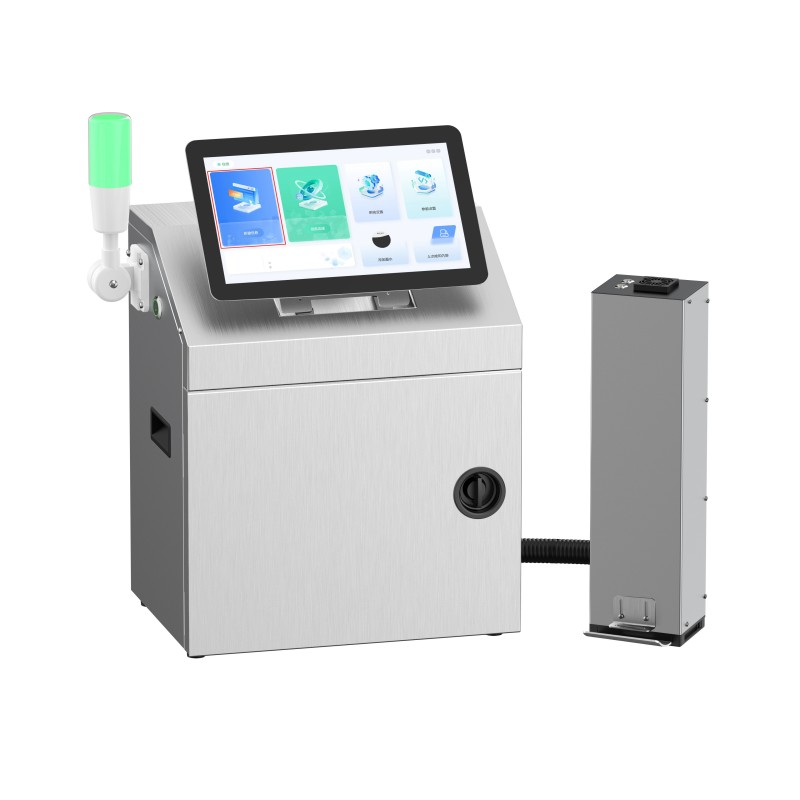
Inkjet carton printing applies liquid ink droplets directly to the substrate surface without requiring physical plates or screens. The print head ejects microscopic ink particles at high speed, building images pixel-by-pixel across the carton width. This non-contact method eliminates embossing or pressure-related substrate damage, making it suitable for delicate or textured board surfaces. Inkjet systems excel at producing variable data, such as batch codes, QR codes, or personalized content, within a single production run without stopping for plate changes.
Advantages of Inkjet for Carton Printing
Inkjet carton printing delivers rapid setup and minimal material waste because no plate preparation is required. Color changes happen instantly through software commands, enabling manufacturers to run multiple SKUs consecutively without manual intervention. Ink costs remain competitive for short and medium production runs, where plate costs would otherwise offset savings. The technology also supports high-resolution graphics, fine text detail, and complex color gradients on corrugated and coated board surfaces. For suppliers offering job-work or contract carton printing, inkjet flexibility drives profitability by reducing turnaround time and maximizing asset utilization.
Flexo Carton Printing: Traditional Strength and Volume Capacity
Flexographic Printing Mechanics
Flexo carton printing uses flexible rubber or polymer plates mounted on rotating cylinders to transfer ink onto the substrate. The plate comes into contact with an anilox roller, which controls ink transfer volume and consistency. This contact-based approach builds ink thickness through physical pressure, creating bold, saturated colors characteristic of flexo output. Flexo systems operate at speeds exceeding 500 meters per minute on high-end equipment, making them the industry standard for mass-production carton runs of 100,000 units or more. A supplier committed to flexo technology typically maintains multiple color stations, drying systems, and precision registration controls.
Key Benefits of Flexo for High-Volume Carton Printing
Flexographic carton printing dominates high-volume runs because per-unit ink and substrate costs decline with scale. Once the initial plate investment is absorbed across a large order, the cost-per-box becomes substantially lower than digital alternatives. Flexo delivers consistent, predictable output quality across millions of impressions, critical for brand-sensitive applications requiring color uniformity. The technology handles virtually any carton material, from thin kraft to rigid coated board, without adjustment. Supplier operations typically support flexo because the capital equipment is amortized across many runs, and specialized expertise in color matching, plate design, and registration tuning commands premium service pricing.
Comparative Trade-Offs and Selection Criteria
Cost Structure: Initial Investment vs. Per-Unit Economics
Inkjet carton printing requires moderate capital for print heads, filtration, and control systems, typically lower than flexo press acquisition costs. However, carton printing suppliers often recommend flexo for orders exceeding 50,000 units because the fixed plate cost disappears into per-unit savings. Below 20,000 units, inkjet economics strongly favor the buyer, as no plate fabrication delays or costs arise. A supplier evaluating which system to add should model breakeven volumes and customer mix before committing capital. Medium runs between 20,000 and 50,000 units represent the value battleground where technology choice significantly impacts profitability for both parties.
Customization, Speed, and Substrate Flexibility
Inkjet carton printing enables same-day color changes, variable data insertion, and short-notice design revisions without downtime. Flexo requires advance planning because plate turnaround adds two to five business days, and setup time extends total lead time. Substrate variety favors inkjet slightly because it handles embossed, textured, or uncoated boards without register struggles common in flexo systems. Flexo excels when carton designs remain static and production runs are predictable, as setup overhead becomes negligible. A supplier specializing in rapid-response packaging or e-commerce labels gravitates toward inkjet, while contract packaging for consumer goods typically maintains flexo capacity for efficiency on stable, high-volume SKUs.
FAQ
Which carton printing technology requires less training and expertise?
Inkjet carton printing systems demand less specialized operator training because software control and automatic color management reduce manual intervention. Flexo technology requires skilled technicians for plate mounting, anilox roller selection, ink viscosity tuning, and registration adjustment. A supplier hiring operators for inkjet can achieve basic competency faster, though mastering advanced color profile management still takes time. Flexo operators typically require months of hands-on experience to troubleshoot registration issues, color matching, and substrate-specific adaptations effectively.
Can inkjet carton printing replace flexo completely for all production scenarios?
No, inkjet carton printing cannot economically replace flexo for ultra-high-volume production beyond 200,000 units per run. Ink costs accumulate over massive volumes, and flexo amortizes plate investment so efficiently that per-unit pricing becomes unbeatable. However, for short-run, variable data, and rapid-turnaround applications, inkjet has already displaced much flexo work. A supplier balancing both technologies optimizes for their customer base: retail packaging contracts favor flexo, while e-commerce and specialty applications favor inkjet carton printing economics.
How does substrate choice influence the decision between inkjet and flexo carton printing?
Inkjet carton printing adapts more readily to uncoated, embossed, or heavily textured substrates because non-contact application avoids substrate deformation. Flexo performs best on smooth, coated board surfaces where contact pressure and ink transfer remain consistent. Specialty materials such as metallized or laminated film benefit from inkjet because pressure-based flexo risks delamination. A supplier evaluating carton printing capability for a specific substrate should test both technologies or confirm supplier experience with that material type to ensure quality and production reliability.