EN



How to Choose Coding and Marking Solutions for Your Factory
Selecting the right coding and marking solutions is a critical decision that directly impacts your factory's operational efficiency, product traceability, and compliance with industry regulations. Every manufacturing facility faces unique challenges when it comes to marking products, tracking batches, and ensuring clear identification throughout the supply chain. The choice of coding technology affects production speed, maintenance costs, consumable expenses, and overall downtime. Without a systematic approach to evaluating options, factories often end up with systems that underperform or become incompatible with future production demands.
This guide walks you through the essential factors to consider when choosing coding and marking solutions that align with your factory's specific needs. From understanding different technology types to evaluating supplier capabilities, we cover everything you need to make an informed decision that balances performance, cost, and long-term reliability.
Assessing Your Factory's Marking Requirements
Identifying Product Type and Surface Characteristics
The first step in selecting coding and marking solutions is understanding what you actually need to mark. Different products demand different marking approaches. Hard surfaces like metal or plastic require robust technology, while flexible packaging or labels may need gentler solutions. Consider the surface finish, porosity, and material composition because these directly influence which marking systems will deliver clear, permanent results. Some coding technologies excel on paper and cardboard but struggle on glossy surfaces, while others perform perfectly on metals but require calibration for textured materials.
Product geometry also matters significantly. Round bottles need different spray patterns than flat boxes. Small components demand precise, compact marking heads, while large cartons benefit from wider coding systems. Your factory must ensure that any coding and marking solutions you choose can physically integrate with your production line without requiring extensive line redesign. Understanding these fundamental product characteristics helps narrow down viable technology options and prevents costly mistakes during implementation.
Defining Production Speed and Volume Requirements
Production volume and line speed determine the throughput capability you need from your coding and marking solutions. High-speed lines running at 500 units per minute require systems that keep pace without slowing production or creating bottlenecks. Slower operations may tolerate longer marking cycles but still need reliable consistency across thousands of daily prints. A supplier should help you match system speed ratings to your actual throughput targets with sufficient headroom for future growth or peak demand periods.
Consider not just the average production rate but also seasonal fluctuations and potential capacity increases. Undersizing your system wastes money when upgrades become necessary within two years. Oversizing adds unnecessary capital costs. Working with an experienced supplier helps you strike the right balance and select coding and marking solutions that scale appropriately with your business.
Evaluating Technology Types and Performance Factors
Understanding Inkjet, Laser, and Thermal Transfer Options
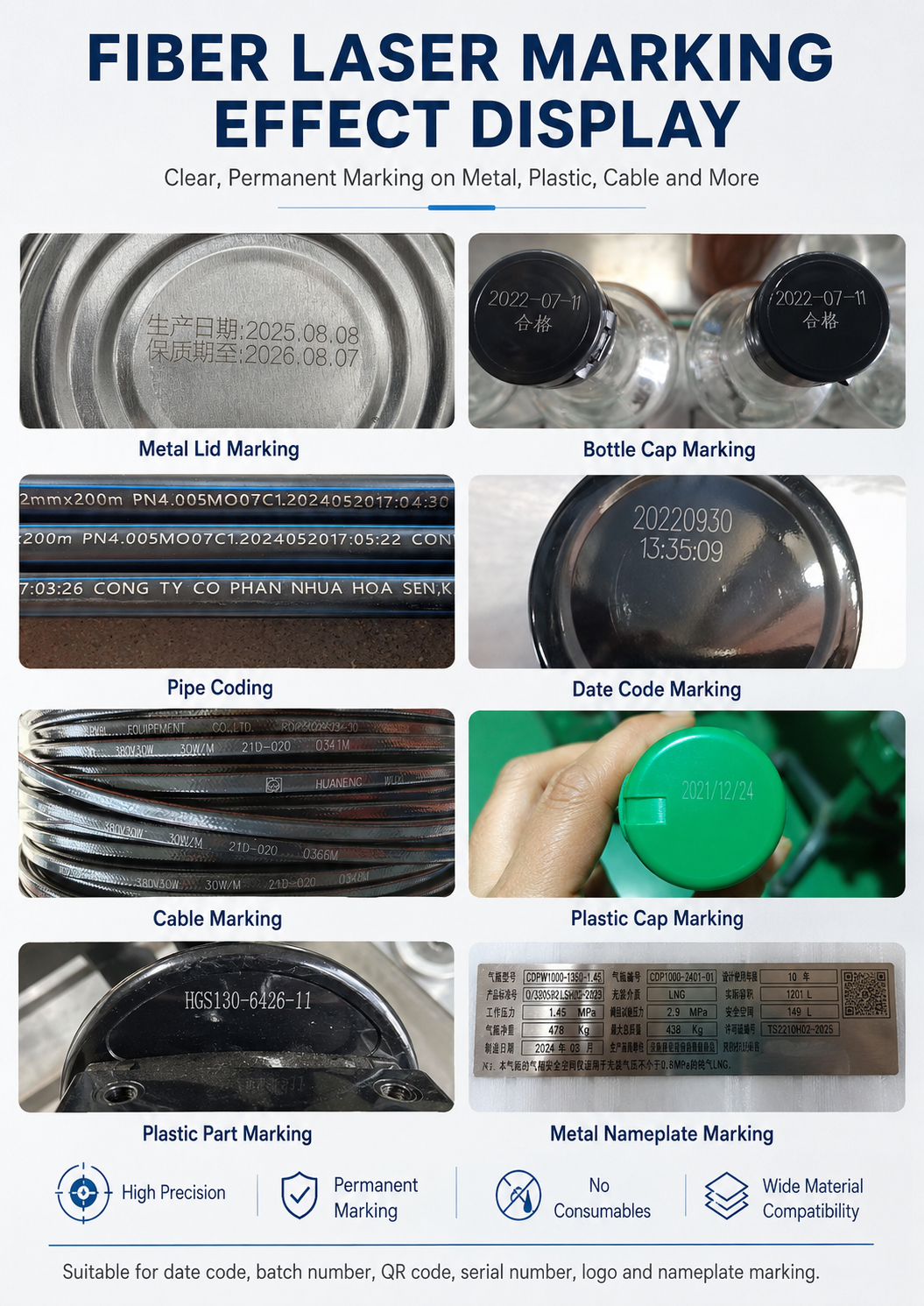
The market offers several distinct technology platforms for coding and marking solutions, each with specific strengths and limitations. Inkjet systems use liquid ink to create marks and excel on porous surfaces like cardboard and paper. They offer flexibility, color capabilities, and variable data printing. Laser systems vaporize or burn marks into surfaces, providing permanent results on metals, plastics, and wood without consumable ink. Thermal transfer printers use heated printheads and ribbons for durable marks on labels and films. A professional supplier guides you through these options, explaining when each technology delivers optimal results for your specific products and production environment.
Maintenance requirements differ significantly across these platforms. Inkjet systems require regular nozzle cleaning and ink cartridge management. Laser systems demand lens maintenance and occasional alignment checks. Thermal transfer equipment needs ribbon management and printhead care. Your factory must evaluate which maintenance profile fits your operational capacity and staffing. Hidden maintenance costs often exceed the initial capital investment, so discussing long-term service requirements with your supplier prevents budget surprises later.
Considering Print Quality, Resolution, and Durability
Print quality directly impacts product appearance and regulatory compliance. Barcodes must maintain proper contrast and line weight to scan reliably. Expiration dates must remain legible throughout product shelf life. Logos and brand marks must preserve visual appeal on retail shelves. Your coding and marking solutions must deliver the resolution and clarity your products demand, whether that's simple text, complex graphics, or QR codes. Working with a supplier who understands your specific quality standards ensures the system they recommend meets or exceeds expectations.
Durability testing confirms that marks withstand real-world conditions like moisture, light exposure, chemical contact, or temperature extremes. Some coding and marking solutions fade or smudge in certain environments, while others maintain integrity for years. Request durability data and sample testing before committing to a system, especially for products that face harsh handling or extended storage conditions.
Selecting a Reliable Supplier and Assessing Implementation Support
Evaluating Supplier Expertise and Service Capabilities
Your supplier becomes a critical partner long after purchase, so their technical depth and commitment to customer success matter deeply. A qualified supplier conducts comprehensive factory assessments, understanding your production environment, existing infrastructure, and future growth plans. They provide detailed equipment recommendations backed by technical data, not just sales pressure. They explain consumable costs, maintenance schedules, and expected replacement cycles honestly, allowing you to calculate true cost of ownership.
Service capabilities determine how quickly problems get resolved when issues arise. Ask your supplier about response times, spare parts availability, technician training programs, and preventive maintenance schedules. Some suppliers maintain regional service centers with local expertise and rapid response; others rely on remote support or mail-in repairs. For factories where marking failures cause production stops or regulatory violations, local service presence often justifies slightly higher equipment costs. A professional supplier maintains comprehensive service documentation and trains your operators thoroughly to minimize troubleshooting delays.
Reviewing Total Cost of Ownership and Contract Terms
Initial purchase price represents only a fraction of total marking system costs over its operational lifetime. Consumables like ink, ribbons, and printheads accumulate significant expenses across years of operation. A reputable supplier provides transparent pricing for all consumables and explains volume-based discounts available through their distribution network. They help you project five-year or ten-year costs, not just year-one expenses. This complete financial picture prevents budget surprises and clarifies why certain coding and marking solutions represent better value despite higher upfront investment.
Contract terms reveal how suppliers stand behind their equipment and support commitments. Warranty length, coverage scope, and conditions matter significantly. Some suppliers offer extended warranties or service packages that reduce unpredictable maintenance costs. Lease or rental options exist for factories with seasonal demand or temporary marking needs. Understanding these options and negotiating favorable terms protects your investment and ensures the supplier remains accountable for system performance and customer satisfaction throughout the relationship.
FAQ
How do I know which coding and marking solutions technology is right for my production line?
The ideal technology depends on your product material, surface texture, production speed, required print quality, and environmental conditions. Inkjet systems work best on porous surfaces like cardboard and paper. Laser systems excel on metals, plastics, and wood where permanent, consumable-free marking is critical. Thermal transfer suits labels and films that require high-contrast, durable text and barcodes. A knowledgeable supplier evaluates all these factors, often conducting trial runs to confirm technology suitability before you commit.
What questions should I ask a potential supplier before purchasing coding and marking solutions?
Ask about their experience with your product type and industry. Request references from similar factories. Inquire about consumable costs, maintenance intervals, and service response times. Discuss warranty coverage, spare parts availability, and operator training programs. Ask for total cost of ownership projections including capital costs, consumables, maintenance, and potential downtime. A transparent supplier answers these questions thoroughly and provides documentation supporting their claims and recommendations.
How often do coding and marking solutions require maintenance and what does that involve?
Maintenance frequency varies by technology and usage intensity. Inkjet systems typically need daily nozzle cleaning and regular cartridge replacement. Laser systems require monthly lens cleaning and periodic mirror alignment. Thermal transfer equipment needs ribbon changes and periodic printhead inspection. Most systems benefit from quarterly preventive maintenance checks by qualified technicians. Your supplier should provide detailed maintenance schedules, explain what tasks your operators can handle versus requiring professional service, and help budget for consumables and maintenance labor throughout the equipment's working life.