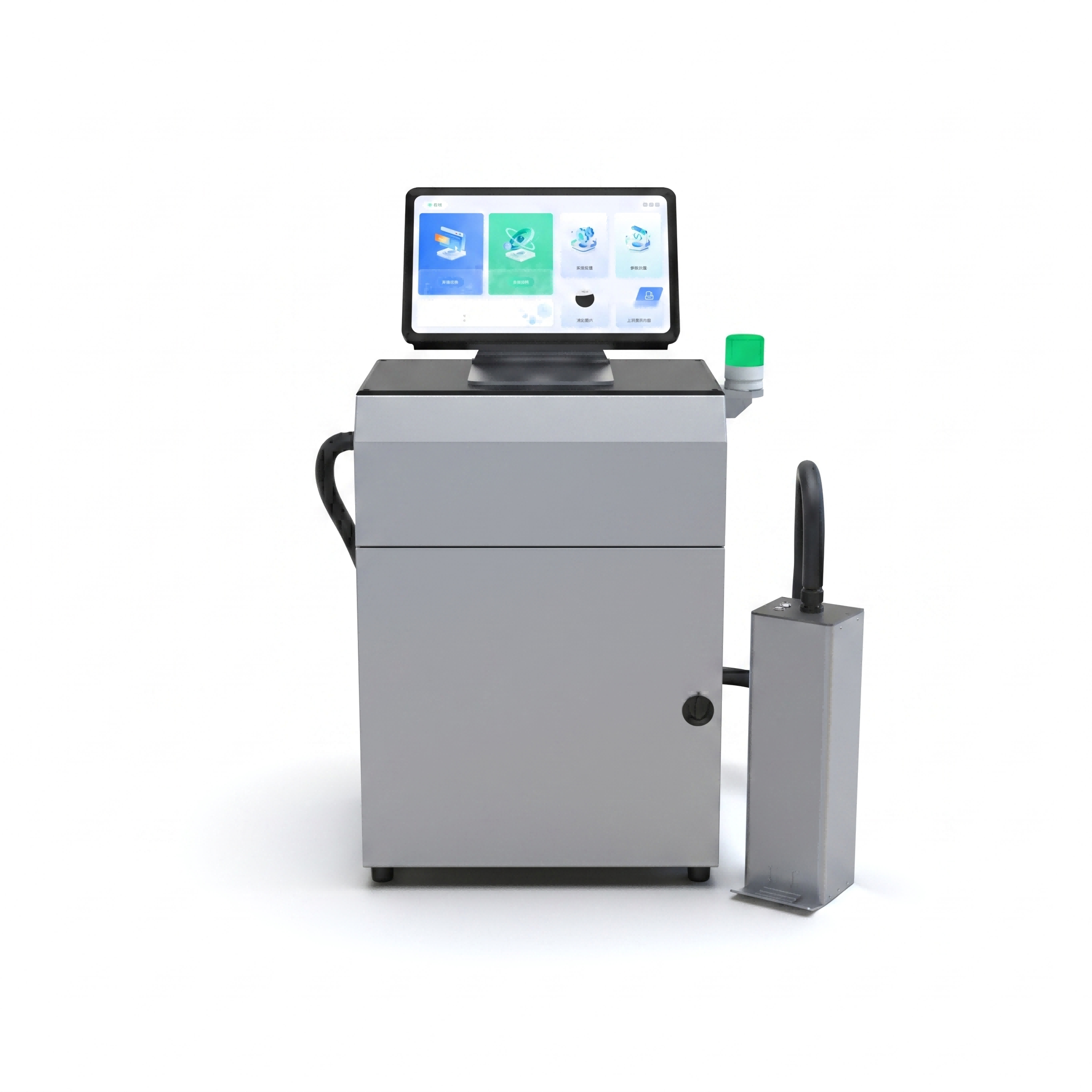
Executive Summary The rapid growth of the electric vehicle (EV) and energy storage systems (ESS) industries has driven the need for rigorous traceability in battery manufacturing. This case study details how our high-resolution Piezo Inkjet (PIJ)&nbs...
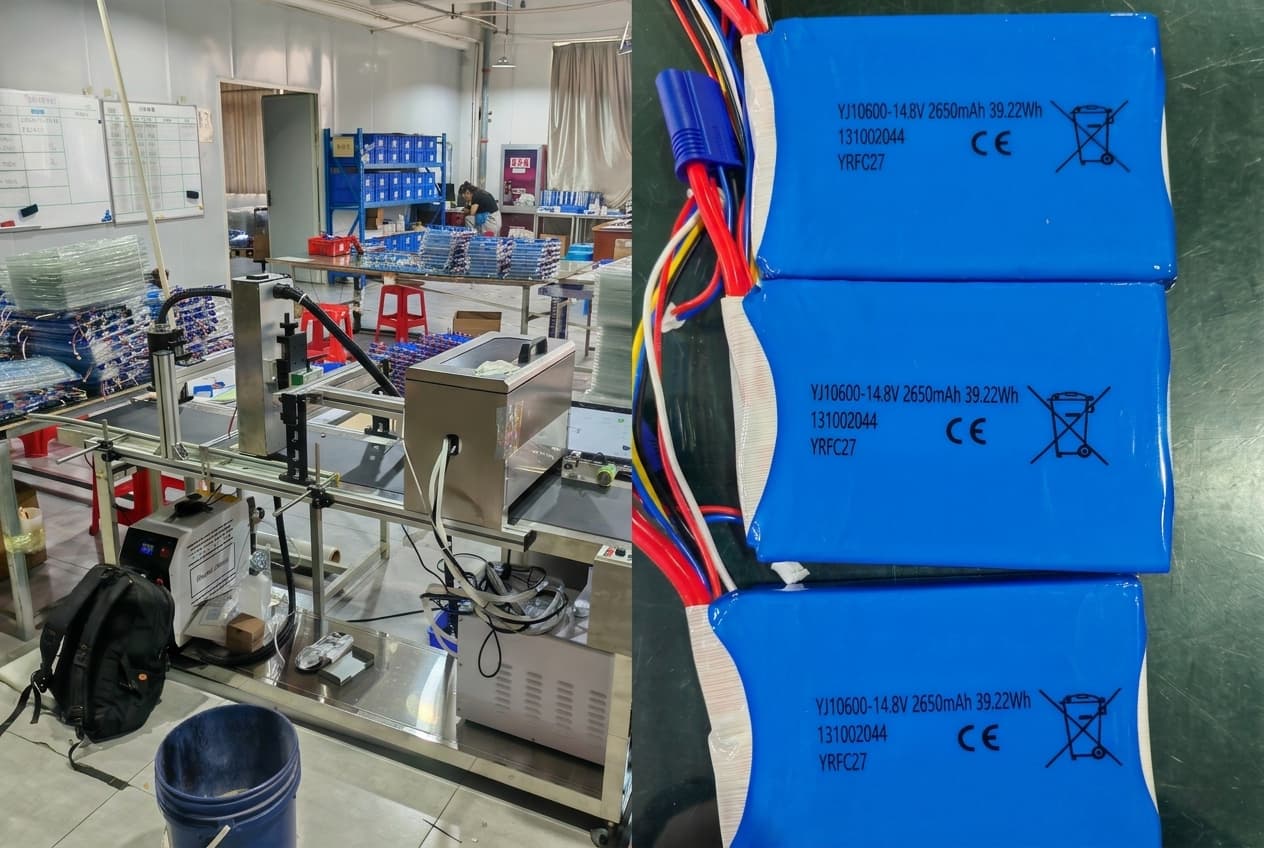
The rapid growth of the electric vehicle (EV) and energy storage systems (ESS) industries has driven the need for rigorous traceability in battery manufacturing. This case study details how our high-resolution Piezo Inkjet (PIJ) printing technology, paired with advanced UV-curable inks, successfully resolved the challenge of marking high-density data, logos, and critical safety specifications directly onto lithium-ion battery cells and packs for a major energy technology manufacturer.
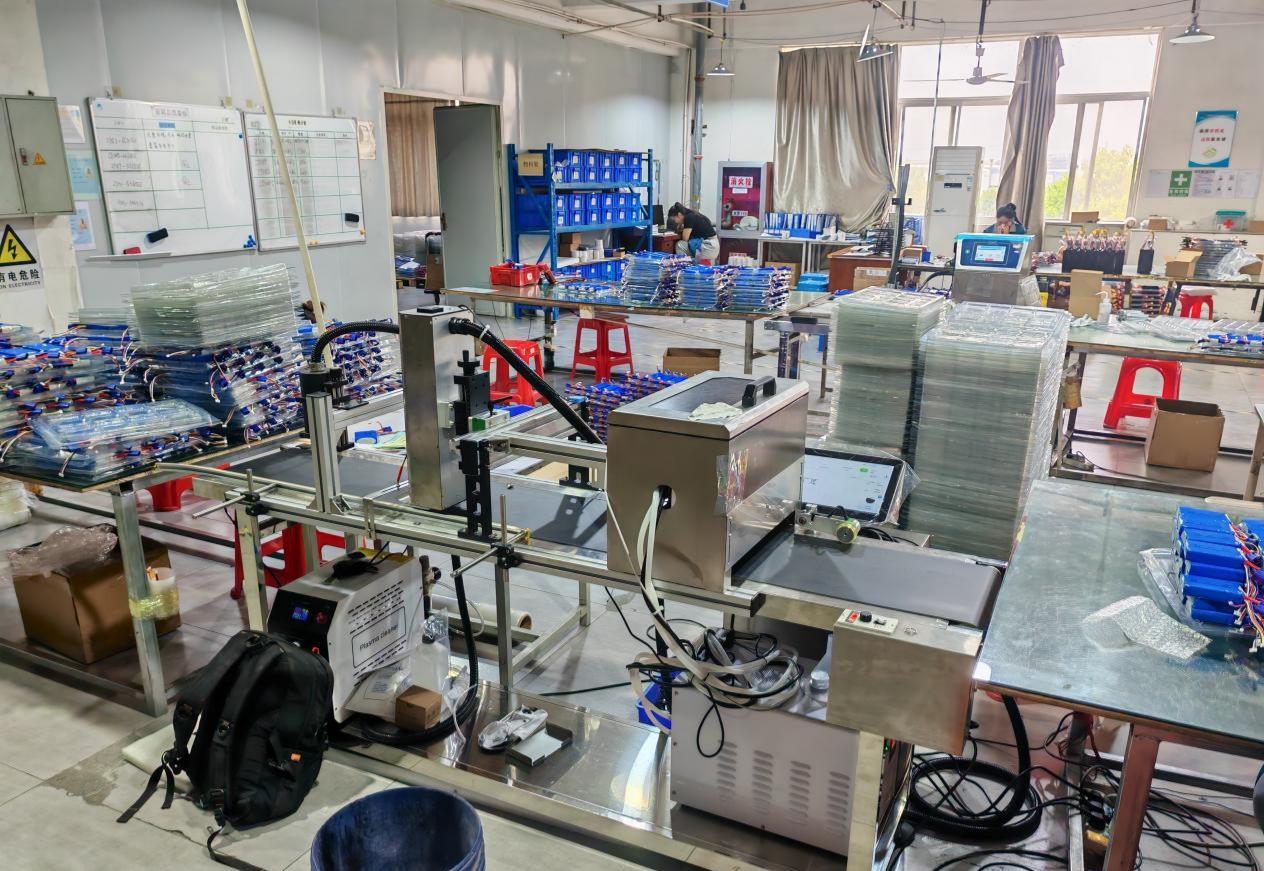
In the lithium-ion battery sector, traceability is not merely a preference—it is a strict regulatory requirement. From individual cells (cylindrical, prismatic, or pouch) to massive energy storage modules and EV battery packs, every unit must carry clear, permanent, and machine-readable data. Regulations such as the European Union’s "Battery Passport" mandate that manufacturers track a battery's lifecycle from raw materials to recycling.
Traditionally, manufacturers used continuous inkjet (CIJ) or thermal transfer labels. However, CIJ's low resolution (dot-matrix) cannot reliably handle high-density DataMatrix codes, and physical labels risk peeling off under thermal stress or chemical exposure. This is where Piezo Inkjet (PIJ) technology emerges as the optimal solution, offering the perfect balance of ultra-high-resolution digital printing and industrial-grade durability.
Our client, a tier-one supplier of battery cells for electric vehicles, faced a complex packaging and marking bottleneck. Their production lines required high-speed, contactless marking on a variety of difficult surfaces, including:
Non-Porous Substrates:
Chemical & Thermal Resistance:
High-Density Data:
Zero Thermal Damage:
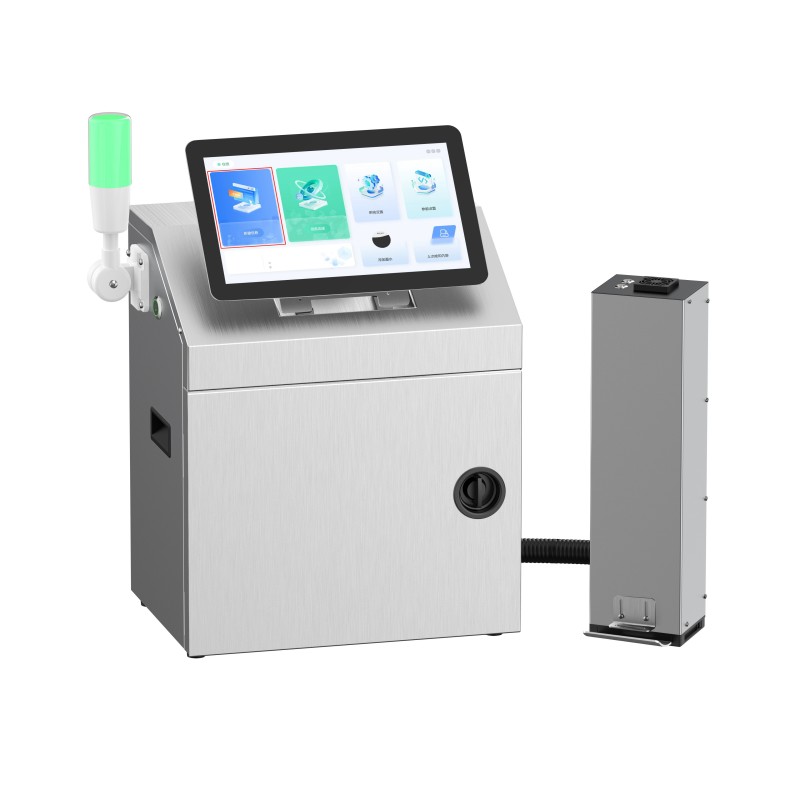
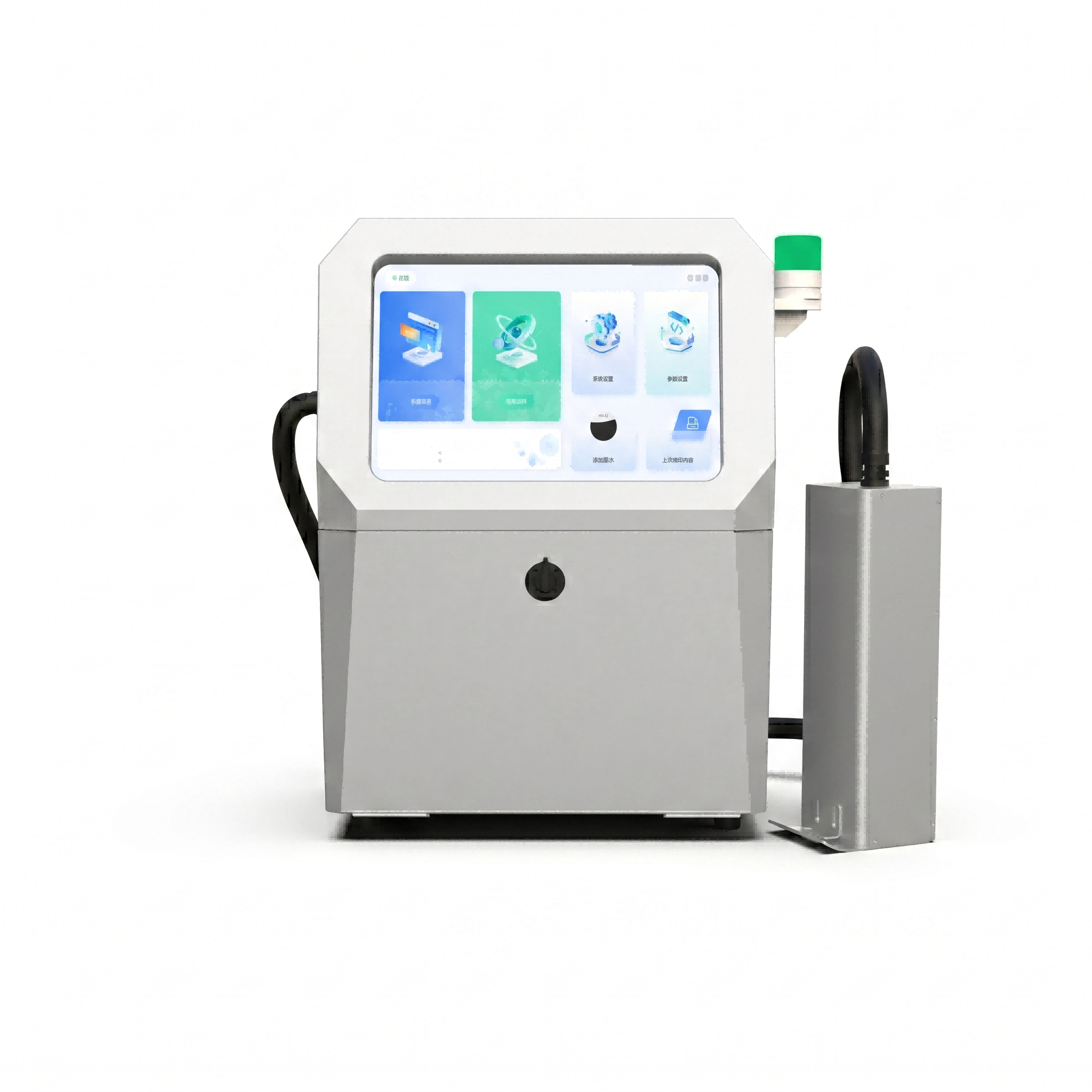
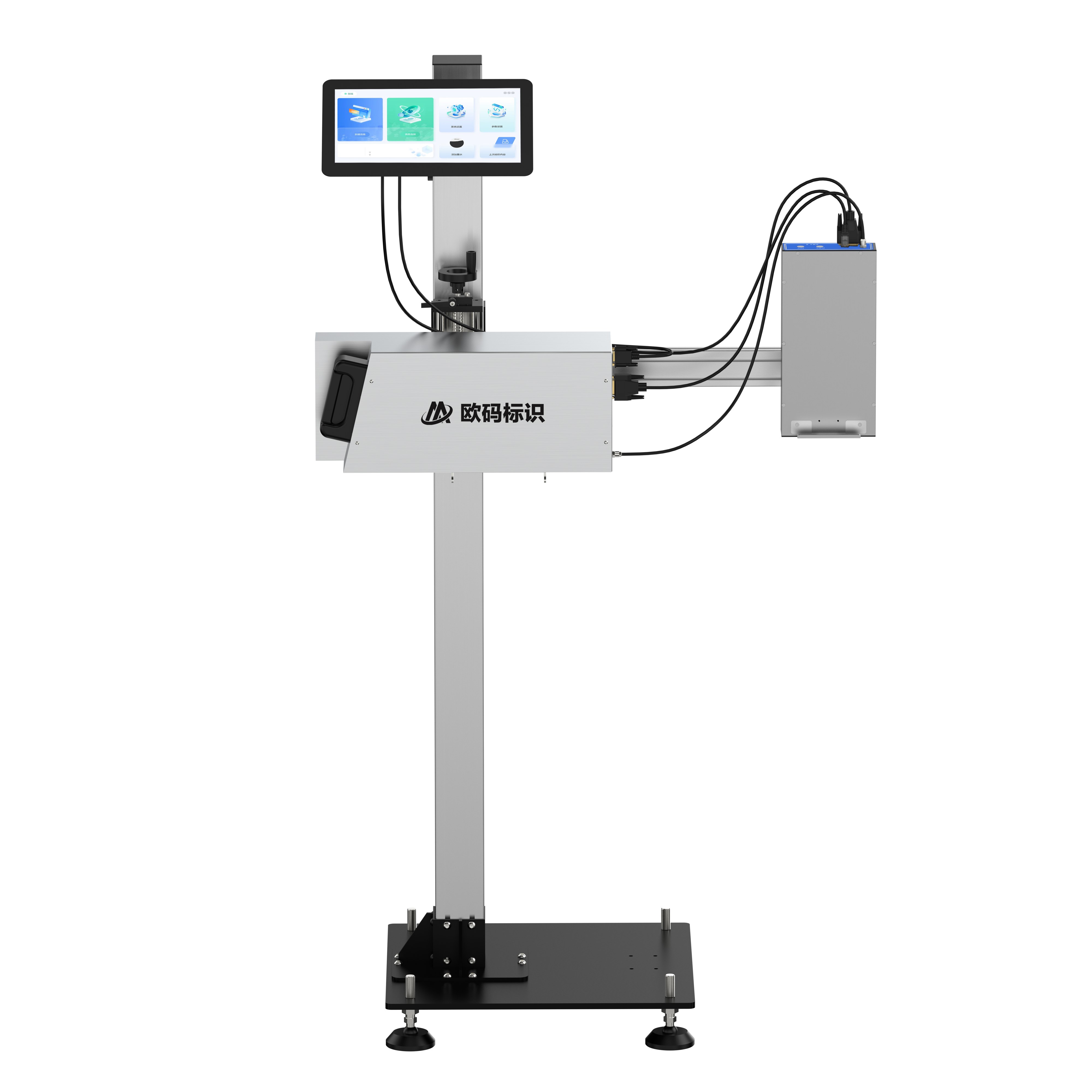
To address these technical hurdles, we deployed our state-of-the-art Industrial PIJ Inkjet System, customized for the precise requirements of the battery assembly line.
Technical System Configuration:
Printhead Tech:
UV-Curable Ink Technology:
Cold Curing LED UV System:
Automated Verification:
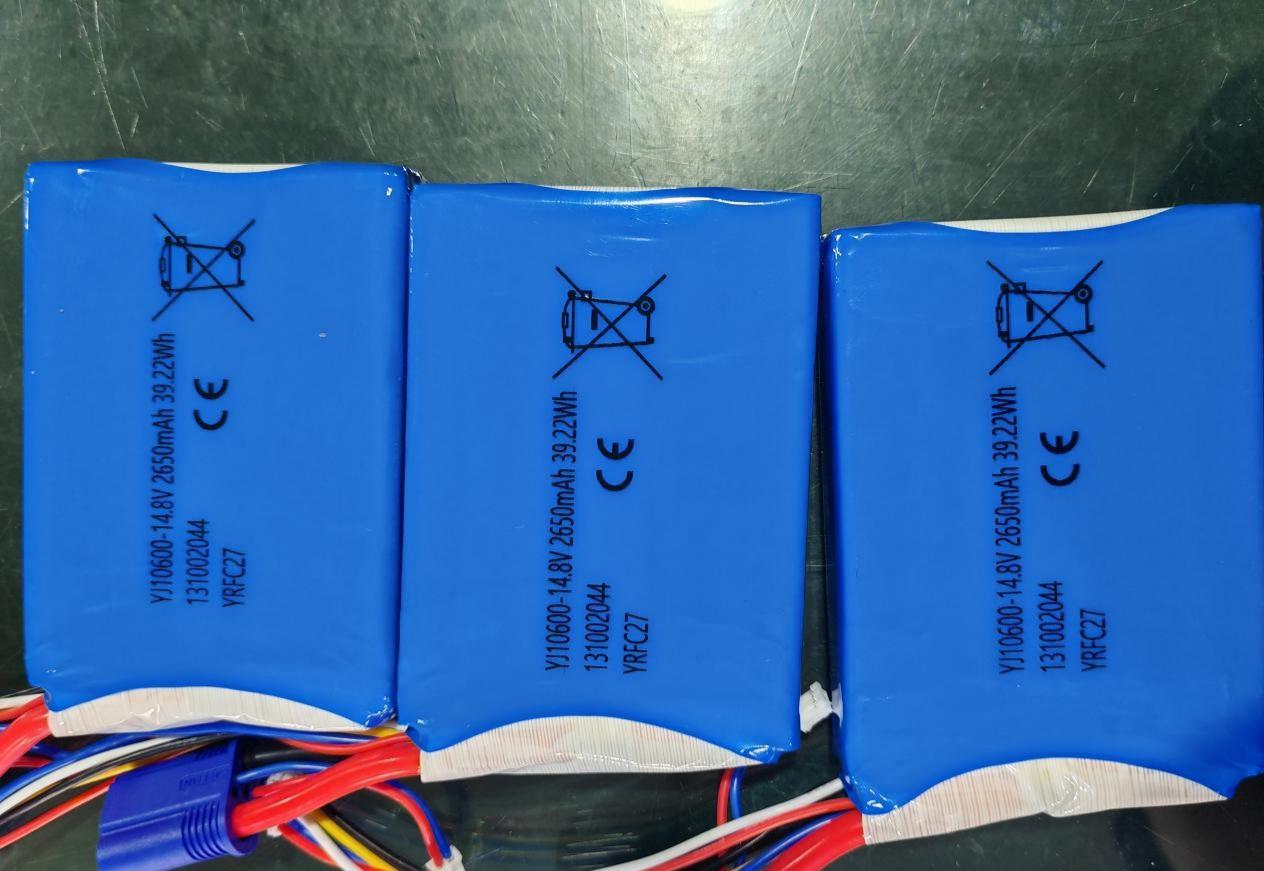
Lithium battery manufacturers are increasingly migrating from older coding technologies to PIJ for several key reasons:
A. Perfect Contrast and Scan Rates
PIJ printheads manipulate ink drops with microscopic precision. This allows for solid, crisp contrast—critical for high-speed scanners. While traditional CIJ produces fuzzy, scattered dots, PIJ prints sharp, continuous lines, ensuring a 99.9% first-time read rate for 2D DataMatrix codes, even at sizes as small as 4mm x 4mm.
B. Extreme Scratch and Solvent Resistance
Unlike standard solvent-based inks that can be wiped away with alcohol, UV-curable PIJ ink undergoes polymerization when exposed to UV light. This creates a hard, scratch-resistant plastic layer that is completely immune to electrolyte spills, friction during module assembly, and chemical washes.
C. Large Format & Multi-Line Versatility
Instead of using multiple printheads to print different lines of text (e.g., one for the logo, one for the barcode, and one for safety specs), a single PIJ printhead can print all elements simultaneously in a unified high-resolution layout, vastly simplifying the line mechanics.
By transitioning from traditional labels to our direct PIJ marking solution, the client achieved substantial cost and operational efficiencies:
Zero Label Consumables Cost:
Reduced Labor and Rejections:
Increased Production Speed:
Lower Carbon Footprint:
In a modern smart battery factory, downtime is extremely costly. Our PIJ system was fully integrated into the client’s MES (Manufacturing Execution System). Every battery's unique serial number is pulled in real-time, printed, verified by the vision system, and logged back into the database.
Furthermore, the printheads feature a robust stainless-steel structure and a built-in negative pressure ink control system. This keeps the printhead dust-free and prevents ink dripping, ensuring consistent performance in high-speed, continuous manufacturing environments.
The transition to PIJ technology for lithium-ion battery coding represents a major step forward in manufacturing intelligence and quality control. By delivering permanent, high-contrast, and chemically resistant markings directly onto cell and pack surfaces, our PIJ system provides the absolute reliability required by global automotive and energy storage standards.
As battery regulations continue to tighten globally, direct high-resolution PIJ printing will undoubtedly become the standard configuration for forward-thinking manufacturers seeking optimal traceability, safety, and brand prestige.
Copyright © 2026 Suzhou OMA Printing Technology Co., Ltd. All rights reserved. — Privacy Policy

 EN
EN