EN



Top 5 Coding and Marking Solutions for Traceability
Product traceability has become essential in modern manufacturing and logistics. Organizations across industries rely on coding and marking solutions to ensure accurate product identification, regulatory compliance, and supply chain transparency. Whether you're managing pharmaceuticals, food products, electronics, or industrial components, selecting the right coding and marking solutions directly impacts operational efficiency and customer trust. This guide explores the top approaches and technologies that lead suppliers recommend for comprehensive traceability.
The market for coding and marking solutions has evolved significantly, driven by stricter regulations, consumer demand for transparency, and the need for real-time supply chain visibility. Today's best-in-class solutions combine advanced technology, reliability, and ease of integration. Understanding the key characteristics and capabilities of leading coding and marking solutions helps organizations make informed decisions that align with their traceability objectives and operational requirements.
Inkjet Printing Technology for Flexible Coding
Understanding Inkjet-Based Coding Systems
Inkjet technology remains one of the most versatile approaches for applying codes to diverse substrates. High-resolution inkjet printers deliver sharp, legible marks on paper, cardboard, plastics, and metal surfaces without requiring contact. These coding and marking solutions excel in fast-moving production lines where speed and accuracy are critical. Piezoelectric inkjet technology, in particular, enables precise droplet placement, ensuring consistent quality across high-volume runs.
Application Benefits and Industry Use Cases
Suppliers of inkjet marking systems highlight their flexibility as a major advantage. These solutions adapt to variable product sizes, shapes, and materials without significant setup changes. In pharmaceutical packaging, food labeling, and industrial component marking, inkjet coding provides clear serial numbers, lot codes, and expiration dates that meet regulatory requirements. The non-contact nature eliminates product damage, and integration with existing production lines is typically straightforward. Many manufacturers prefer inkjet technology for its cost-effectiveness and minimal maintenance overhead compared to mechanical alternatives.
Laser Marking for Permanent, High-Contrast Codes
How Laser Technology Ensures Durability
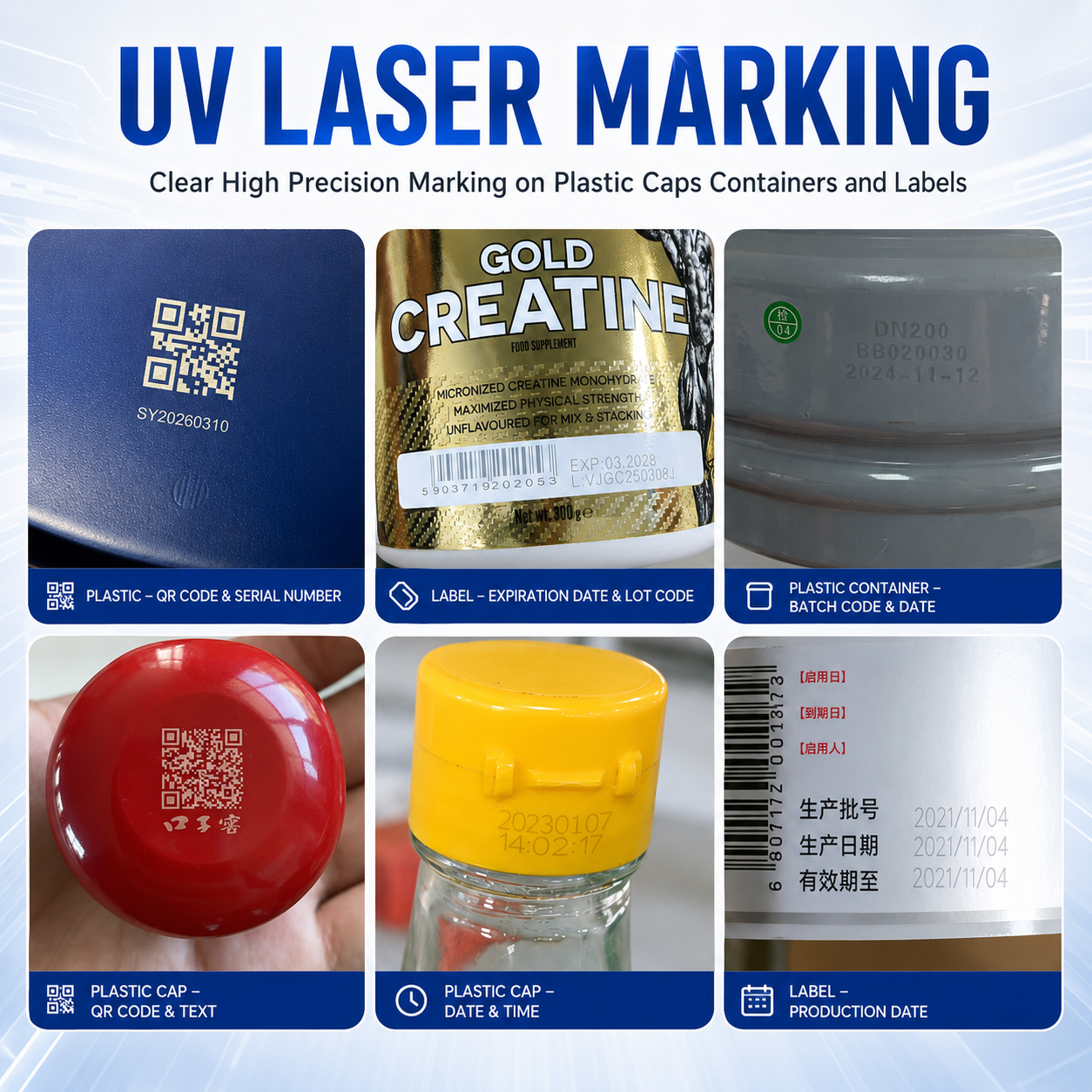
Laser marking creates permanent codes through thermal ablation or color change on material surfaces, making these solutions ideal for products requiring extreme durability. Unlike inkjet or thermal transfer methods, laser-marked codes resist washing, chemical exposure, and environmental stress. This permanent marking capability is essential in aerospace, automotive, and medical device industries where traceability data must survive the product's entire lifecycle. Leading supplier offerings now include fiber lasers, CO2 lasers, and UV lasers, each optimized for specific material types and marking depths.
Precision and Integration Advantages
Laser coding and marking solutions deliver exceptional precision, enabling micromarking and detailed graphics on compact surfaces. The technology integrates seamlessly with automated production lines through industrial controllers and vision systems that ensure accurate positioning. Suppliers emphasize that laser systems require minimal consumables, reducing long-term operational costs. However, initial equipment investment and specific ventilation requirements must be considered during supplier selection and facility planning.
Thermal Transfer and Direct Thermal Printing
Thermal Transfer Printing for Versatile Substrate Compatibility
Thermal transfer printing uses heat to transfer ink from ribbons onto substrate surfaces, creating crisp, durable codes suitable for labels, tags, and flexible packaging. This approach is particularly effective for products requiring variable information such as serial numbers, batch dates, and regulatory text. Leading suppliers offer thermal transfer solutions that handle both synthetic and paper-based materials, making this technology adaptable across multiple industries. The reliability and simplicity of thermal transfer systems make them popular choices for organizations seeking straightforward integration with existing label and marking workflows.
Cost-Effectiveness and Maintenance Profile
Thermal marking systems rank among the most economical coding and marking solutions when considering total cost of ownership. Supplies such as thermal ribbons and labels are widely available from multiple suppliers, preventing vendor lock-in and enabling competitive sourcing. Maintenance requirements are minimal compared to inkjet or laser systems, reducing downtime and training complexity. Small-to-medium manufacturers often favor thermal transfer technology for its balance of performance, affordability, and operational simplicity.
Advanced Integration and System Considerations
Choosing the Right Supplier Partner
Selecting a qualified supplier is as important as choosing the marking technology itself. Experienced suppliers provide comprehensive support including equipment selection guidance, installation, operator training, and ongoing technical assistance. A reliable supplier ensures your coding and marking solutions integrate smoothly with your manufacturing environment, comply with industry regulations, and scale as your business grows. Evaluate suppliers based on their technical expertise, local support availability, spare parts inventory, and track record in your specific industry vertical.
Compliance and Regulatory Framework
Different industries impose strict requirements for product identification and data retention. Pharmaceutical companies must comply with serialization regulations such as the Drug Supply Chain Security Act. Food and beverage manufacturers face FDA traceability requirements. Coding and marking solutions must be capable of encoding complex information while maintaining legibility and compliance with scanning standards like GS1 barcodes and QR codes. Partner with suppliers who understand these regulatory landscapes and design solutions that meet or exceed compliance standards.
FAQ
What industries benefit most from advanced coding and marking solutions?
Pharmaceuticals, food and beverage, cosmetics, electronics, automotive, and medical device industries gain significant benefits from robust coding and marking solutions. These sectors face strict regulatory requirements, counterfeiting risks, and consumer demands for transparency. Advanced traceability systems enable rapid recalls, authenticate products, and enhance supply chain integrity across these competitive and regulated markets.
How do I compare different coding and marking solutions for my production line?
Evaluate solutions based on production speed, substrate compatibility, code durability, integration complexity, and total cost of ownership. Request demonstration runs on your actual materials, assess supplier support capabilities, and verify compliance with relevant regulations. Consider both immediate needs and future scalability requirements when selecting your coding and marking solutions and vendor partnership.
What role does a reliable supplier play in successful implementation?
A strong supplier partnership ensures proper equipment installation, staff training, ongoing technical support, and access to quality supplies and spare parts. Experienced suppliers help optimize your coding and marking solutions for your specific production environment, troubleshoot issues quickly, and adapt systems as regulatory requirements or product specifications evolve over time.