EN



Best Fiber Laser Marking Machine for Stainless Steel
Stainless steel components demand precision marking that withstands corrosion, cleaning cycles, and inspection requirements. A fiber laser marking machine delivers the performance needed for permanent, high-contrast marks on stainless steel surfaces without compromising material integrity. Unlike traditional mechanical or inkjet methods, fiber laser technology provides industrial-grade durability and consistency that manufacturers depend on for traceability, branding, and compliance across demanding applications.
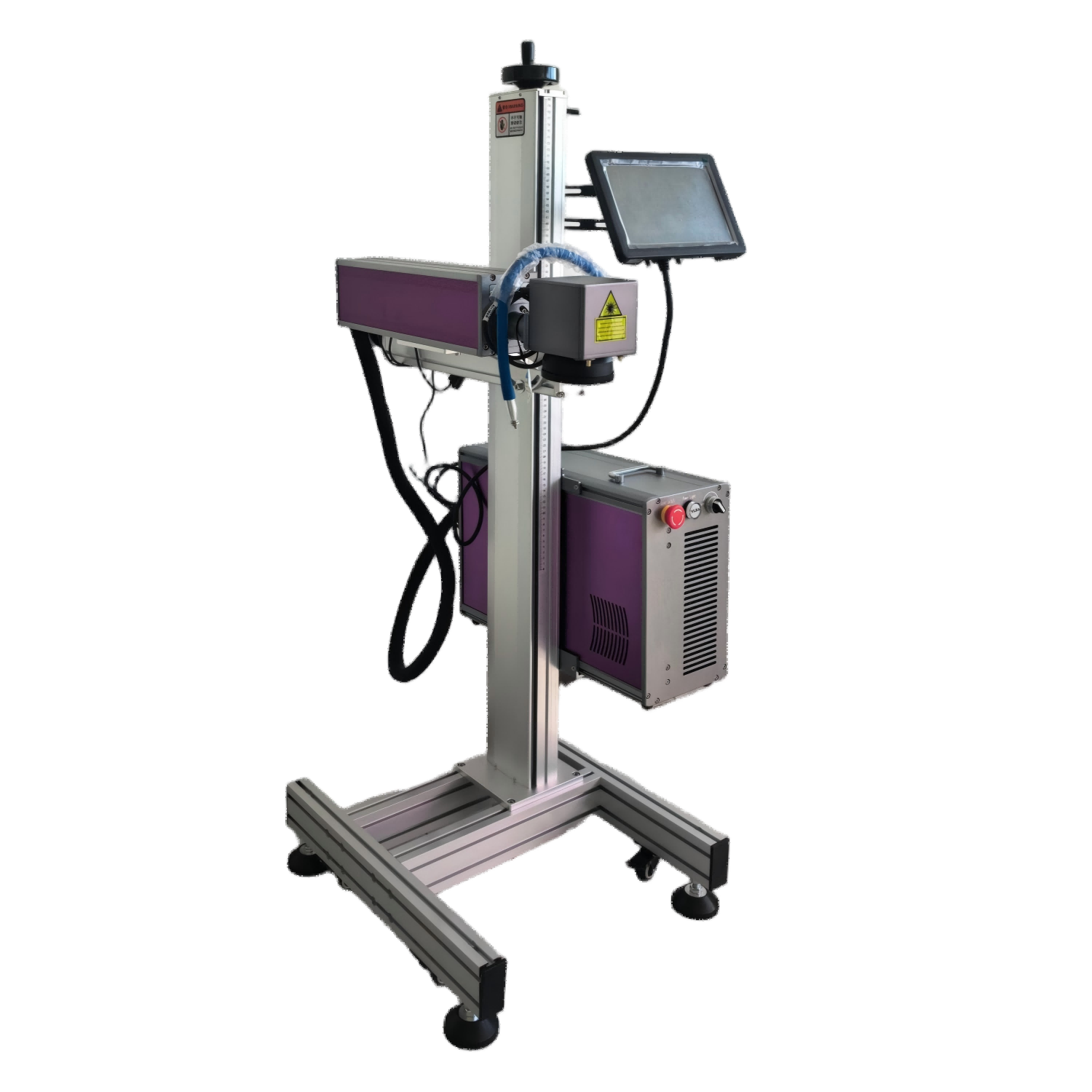
Choosing the right fiber laser marking machine requires understanding your production volume, mark quality expectations, and operational constraints. This guide explores the technical capabilities that make fiber lasers superior for stainless steel, the key specifications to evaluate, and how to partner with a reliable supplier for long-term success in precision marking applications.
Why Fiber Laser Technology Excels for Stainless Steel Marking
Superior Material Compatibility and Mark Quality
Fiber laser technology operates at a wavelength of 1.064 micrometers, which is absorbed efficiently by stainless steel and other metals. This wavelength precision ensures clean, permanent marks without surface degradation, heat distortion, or material hardness loss. The focused beam creates micro-scale changes in the stainless steel surface, producing contrasting marks that remain visible through decades of use, cleaning, and environmental exposure.
Unlike CO2 lasers, which struggle with reflective metal surfaces, fiber laser marking machines overcome the reflectivity challenge that makes stainless steel difficult to mark with older technologies. This superior material compatibility translates to faster processing speeds, higher mark density options, and fewer rejected parts due to poor mark quality. Manufacturers benefit from consistent, professional-grade results that meet or exceed industry traceability standards.
Speed and Operational Efficiency
Fiber laser marking machines achieve marking speeds of 100 to 1000 millimeters per second depending on mark complexity and material thickness. This speed capability allows manufacturers to mark components on flowing production lines without creating bottlenecks. The rapid marking cycle reduces labor costs and increases throughput for high-volume applications, making fiber laser technology economically attractive beyond its technical advantages.
Energy efficiency also sets fiber lasers apart. Fiber laser marking machines consume less electrical power than older marking technologies while delivering superior results, reducing operational costs over the equipment's lifespan. Manufacturers can mark thousands of stainless steel parts daily while maintaining predictable energy budgets and environmental compliance.
Key Technical Specifications for Stainless Steel Marking
Power Output and Mark Depth Control
Fiber laser marking machines for stainless steel typically range from 20 watts to 50 watts, with power selection depending on mark depth requirements and material thickness. Lower-power systems excel at surface engraving and shallow marking, while higher-power fiber laser marking machines penetrate deeper for applications requiring raised or deeply etched identification. Understanding your depth requirements prevents over-specification and unnecessary equipment costs.
Adjustable pulse frequency and power settings allow operators to fine-tune mark characteristics for different stainless steel grades and thicknesses. Austenitic stainless steel, martensitic variants, and duplex grades respond differently to laser energy. A flexible fiber laser marking machine accommodates these variations without requiring multiple technologies or extensive operator retraining.
Beam Quality and Focusing Capability
High beam quality ensures small spot sizes and sharp mark edges on stainless steel surfaces. Fiber laser marking machines with M2 values below 1.5 deliver focused beam spots under 100 micrometers, enabling detailed marking, QR codes, and micro-text applications. This precision capability expands your marking possibilities beyond simple serial numbers, supporting complex traceability and security marking requirements.
Autofocus systems integrated into modern fiber laser marking machines automatically adjust for material surface variations, ensuring consistent mark quality across batches. This feature reduces operator intervention, minimizes scrap rates, and maintains uniform results when marking components with varying geometries or surface finishes.
Selecting a Reliable Supplier for Your Fiber Laser Marking Machine
Supplier Technical Support and Training
A qualified supplier of fiber laser marking machines should provide comprehensive training on equipment operation, maintenance, and troubleshooting. Technical support encompasses software updates, beam alignment procedures, and guidance on optimizing parameters for your specific stainless steel applications. Your supplier relationship determines whether your fiber laser marking machine achieves its full potential or underperforms due to improper setup or lack of operational knowledge.
Responsive after-sales support separates exceptional suppliers from transactional vendors. Choose a supplier offering accessible technical assistance, spare parts availability, and preventive maintenance programs. These factors directly impact your equipment uptime, marking consistency, and long-term return on investment in fiber laser marking machine technology.
Warranty, Service Agreements, and Performance Guarantees
Reputable suppliers back their fiber laser marking machines with comprehensive warranties covering components, optics, and control electronics. Extended service agreements provide predictable maintenance costs and priority access to repair resources when issues arise. Performance guarantees ensure your equipment meets advertised specifications for speed, mark quality, and reliability.
Before selecting a supplier, verify warranty terms, repair response times, and documented performance metrics for their fiber laser marking machines. Request references from existing customers in your industry. A supplier confident in their equipment and service reputation will willingly provide this information and demonstrate measurable customer satisfaction.
Software and Customization Capabilities
The control software embedded in your fiber laser marking machine determines ease of use and application flexibility. Advanced software supports variable data marking, batch processing automation, and integration with production management systems. Your supplier should explain how the fiber laser marking machine software adapts to your current workflows without requiring complete process redesign.
Customization options allow your supplier to configure the fiber laser marking machine for specific stainless steel applications, mounting orientations, and production environments. A flexible supplier delivers a system tailored to your operational needs rather than forcing your process to fit a standard template.
FAQ
What makes fiber laser marking machines better than other marking technologies for stainless steel?
Fiber laser marking machines excel on stainless steel because they absorb efficiently at the 1.064 micrometer wavelength, avoiding reflectivity problems that plague CO2 lasers. The technology delivers permanent, high-contrast marks without surface degradation, operates at exceptional speeds, and consumes minimal energy. These advantages combine to make fiber laser marking machines the industrial standard for stainless steel traceability and branding applications.
How do I choose between different power levels in a fiber laser marking machine?
Power selection depends on your desired mark depth, material thickness, and production speed requirements. Lower-power fiber laser marking machines (20 watts) suit surface marking and shallow engraving, while 50-watt systems handle deeper penetration and faster throughput. Evaluate your specific stainless steel applications and consult your supplier about recommended power levels. Many suppliers offer trial capabilities to test your components before purchasing a fiber laser marking machine.
What should I expect from a reliable fiber laser marking machine supplier?
Your supplier should provide comprehensive training, responsive technical support, warranty coverage, and documented performance guarantees for their fiber laser marking machine. They should be willing to answer application questions, customize configurations for your needs, and offer maintenance programs that keep your equipment operating reliably. A trustworthy supplier builds long-term partnerships by demonstrating commitment to your success beyond the initial sale of the fiber laser marking machine.